521 U.S. 898 (1997) · 1997
Printz v. United States
FederalismGun PolicyConstitutional StructureState PowerCrime and PolicingLandmark
Summary
The Court ruled that Congress may not commandeer state executive officers to administer a federal handgun background-check program. Federal law can regulate gun sales directly, but it cannot make local sheriffs carry out federal tasks.
Background & Context
The case challenged temporary provisions of the Brady Act that required local chief law enforcement officers to perform background checks until a federal system was ready. Printz was decided with Mack v. United States.
The Question Before the Court
May Congress require state and local executive officers to perform federal handgun background checks under the Brady Act, or does that command violate the anti-commandeering principle?
Petitioner
Jay Printz
Party asking the Court to review or reverse
Argued
- Printz argued that Congress cannot compel state executive officers to administer federal law, even temporarily.
- He argued that forcing local officers to run federal checks blurred political accountability and disrupted the Constitution's division of state and federal authority.
Respondent
United States
Party defending the judgment below
Argued
- The United States argued that temporary local background checks were a permissible way to implement Congress's commerce and firearms regulations.
- The government argued that the duties were brief, ministerial, and comparable to other obligations federal law has historically placed on state actors.
The Holding
Congress cannot require state and local executive officers to administer a federal regulatory program. The Brady Act's interim command that chief local law enforcement officers perform handgun background checks violated the Constitution's federal structure, even though states remained free to help voluntarily.
The Court
How the justices lined up in this decision.
1-0
Vote
Joined decision
6 justicesAM
Anthony Kennedy
Majority
AS
Antonin Scalia
Majority
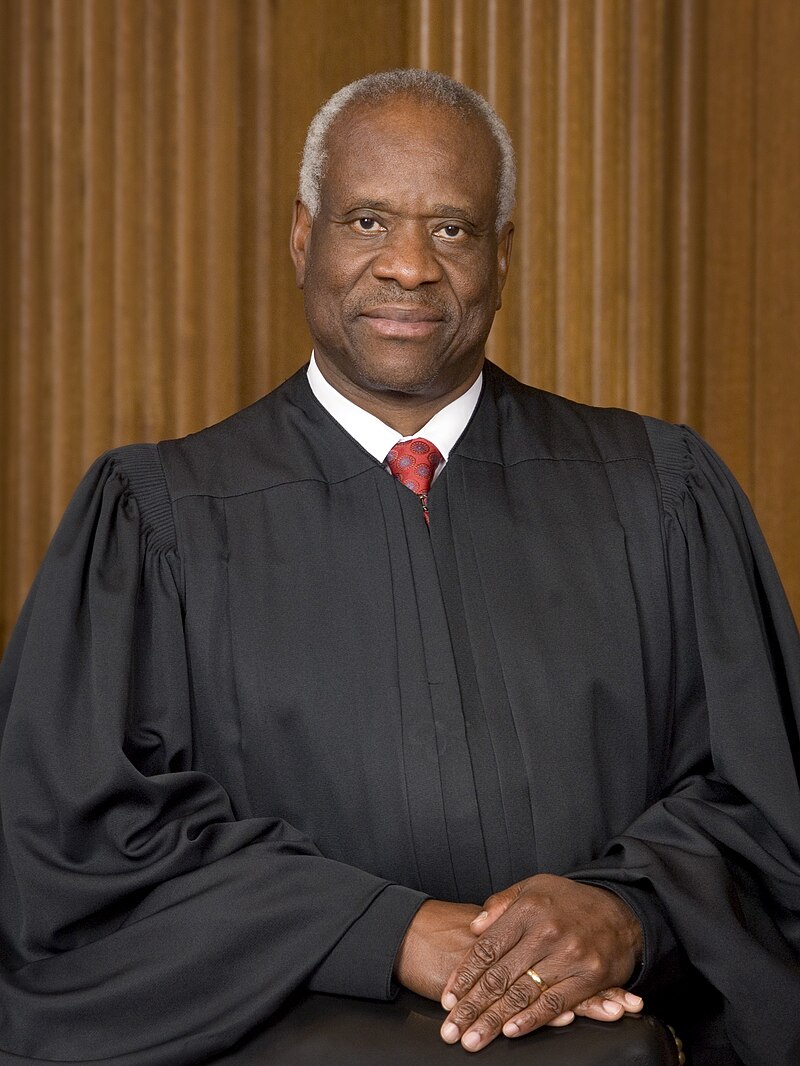
Justice Thomas
Majority
CT
Clarence Thomas
Majority
SD
Sandra O'Connor
Majority
WH
William Rehnquist
Majority
Dissented
4 justicesDH
David Souter
Dissent
JP
John Stevens
Dissent
RB
Ruth Ginsburg
Dissent
SG
Stephen Breyer
Dissent
What this means for you
Printz strengthened the anti-commandeering rule. It limits Congress's ability to use state officials as federal administrators, while leaving room for voluntary state cooperation and direct federal enforcement. The immediate effect on gun checks was limited because the federal NICS system soon replaced the interim local-check system.
Key Takeaways
- Congress may regulate commerce directly, but it cannot force state executive officers to administer a federal program.
- The Brady Act's interim background-check duties were unconstitutional commands to local officials.
- The ruling rests on constitutional structure and political accountability, not on a freestanding state veto over federal law.
- States and local officials may still cooperate voluntarily with federal programs.
- The federal NICS system soon replaced the interim local-check process, limiting the immediate operational effect.
Decision
1-0 majority opinion
- Citation
- 521 U.S. 898 (1997)
- Vote
- 1-0
- Decision type
- Majority opinion
- Argued
- December 3, 1996
- Decided
- June 27, 1997
- Term
- 1996
- Opinion author
- Antonin Scalia
Justice Scalia wrote for a five-justice Court joined by Chief Justice Rehnquist and Justices O'Connor, Kennedy, and Thomas. Justices O'Connor and Thomas also wrote concurrences. Justice Stevens dissented, joined by Justices Souter, Ginsburg, and Breyer.