547 U.S. 715 (2006) · 2006
Rapanos v. United States
environmental lawwetlandsClean Water Actwater pollutionfederal regulationLandmark
Summary
Rapanos v. United States was a fractured Clean Water Act wetlands case. The Court vacated and remanded, producing competing tests for when wetlands count as waters of the United States. Justice Kennedy’s significant-nexus test became especially important until later cases, including Sackett, narrowed the doctrine.
Background & Context
This case must be taught as a fractured decision, not a clean majority. It also needs current-status context because Sackett v. EPA later rejected the significant-nexus test used by many courts after Rapanos.
The Question Before the Court
How far does the Clean Water Act’s phrase “waters of the United States” reach, especially for wetlands near ditches, drains, tributaries, or non-navigable waters?
Petitioner
Rapanos
Party asking the Court to review or reverse
Argued
- Federal jurisdiction was too broad.
Respondent
United States
Party defending the judgment below
Argued
- Wetlands can affect navigable waters even without obvious surface connections.
The Holding
The judgments against the landowners were vacated and remanded. No single rationale controlled. Justice Scalia’s plurality read “waters of the United States” to cover relatively permanent bodies of water and wetlands with a continuous surface connection; Justice Kennedy concurred in the judgment using the “significant nexus” test.
The Court
How the justices lined up in this decision.
4-1-4 fractured judgment
Vote
Joined decision
7 justicesAK
Anthony (judgment)
Majority
AS
Antonin Scalia
Majority
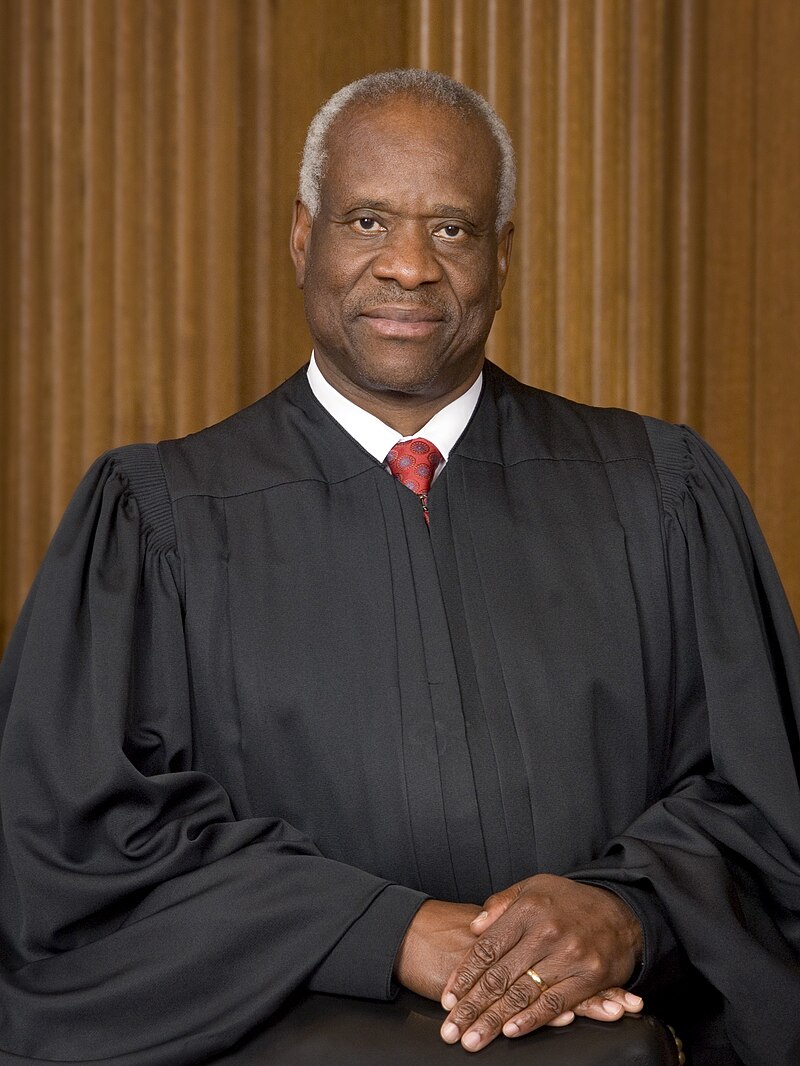
Justice Thomas
Majority
CT
Clarence Thomas
Majority
JR
John Roberts
Majority
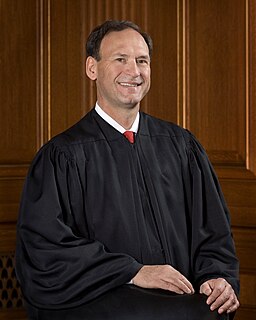
Justice Alito
Majority
SA
Samuel Alito
Majority
Concurred
3 justices
Chief Justice Roberts
Chief Justice
AK
Anthony Kennedy
Concurred
SB
Stephen Breyer
Concurred
Dissented
3 justicesDS
David Souter
Dissent
JP
John Stevens
Dissent
RB
Ruth Ginsburg
Dissent
What this means for you
Rapanos created years of uncertainty for developers, farmers, environmental regulators, and communities affected by water pollution and flooding. A narrow test reduces federal permitting requirements for some wetlands, while a broader test protects more wetlands that filter pollution, store floodwater, and support ecosystems. The later Sackett decision rejected the significant-nexus approach and narrowed federal wetlands jurisdiction further, so Rapanos now needs current-status context.
Key Takeaways
- The Court did not produce a single majority test for Clean Water Act wetlands jurisdiction.
- Justice Scalia’s plurality used a relatively permanent waters and continuous surface connection approach.
- Justice Kennedy’s concurrence used the significant-nexus test.
- The fractured decision created long-running regulatory uncertainty.
- Sackett v. EPA later rejected the significant-nexus approach and narrowed federal wetlands jurisdiction.
Decision
4-1-4 fractured judgment plurality opinion
- Citation
- 547 U.S. 715 (2006)
- Vote
- 4-1-4 fractured judgment
- Decision type
- Plurality opinion
- Argued
- February 21, 2006
- Decided
- June 19, 2006
- Term
- 2005
- Opinion author
- Antonin Scalia plurality; Anthony Kennedy concurrence controlling in many lower courts before Sackett
Justice Scalia announced a plurality opinion joined by Chief Justice Roberts and Justices Thomas and Alito. Justice Kennedy concurred in the judgment. Justice Stevens dissented, joined by Justices Souter, Ginsburg, and Breyer. Chief Justice Roberts and Justice Breyer also wrote separate opinions.