573 U.S. 373 (2014) · 2014
Riley v. California
Fourth AmendmentDigital PrivacySearch and SeizureCriminal ProcedureTechnologyLandmark
Summary
The Court unanimously ruled that police generally need a warrant to search the digital contents of a cell phone seized from someone they arrest.
Background & Context
After Riley was arrested, officers searched data on his phone and used photos and videos as evidence. The Court considered his case together with United States v. Wurie, another cell-phone search case.
The Question Before the Court
Does the Fourth Amendment allow police to search the digital contents of a cell phone seized from an arrestee without first getting a warrant?
Petitioner
David Leon Riley
Party asking the Court to review or reverse
Argued
- Riley argued that cell phones contain extensive personal information and should not be treated like ordinary objects found on an arrestee.
- He argued that searching stored digital data was not needed to protect officer safety or prevent destruction of physical evidence.
Respondent
California
Party defending the judgment below
Argued
- California argued that officers may inspect items found on an arrestee without a warrant under the search-incident-to-arrest doctrine.
- The state argued that quick phone searches could help preserve evidence and prevent remote wiping or encryption problems.
The Holding
Police generally may not search digital information on a cell phone seized from an arrestee without a warrant. The search-incident-to-arrest exception allows officers to secure a phone and protect evidence, but it does not categorically authorize a warrantless search of the phone's digital contents.
The Court
How the justices lined up in this decision.
4-1
Vote
Joined decision
12 justicesAM
Anthony Kennedy
Majority
AS
Antonin Scalia
Majority
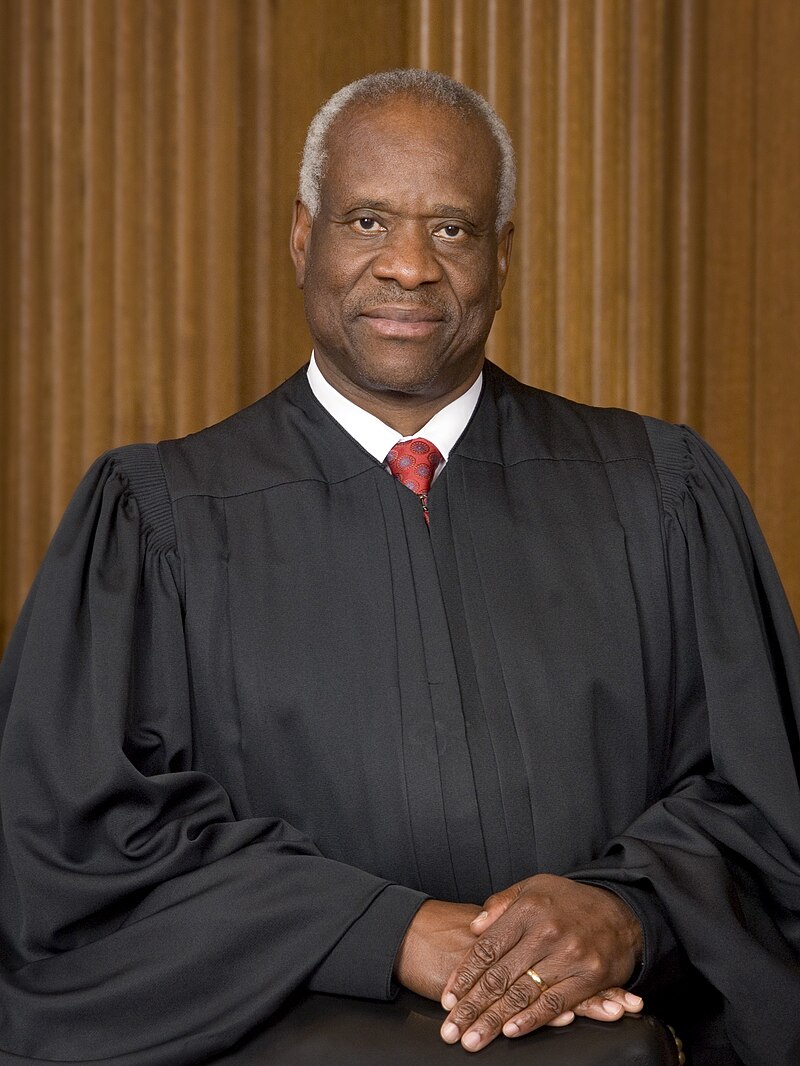
Justice Thomas
Majority
CT
Clarence Thomas
Majority
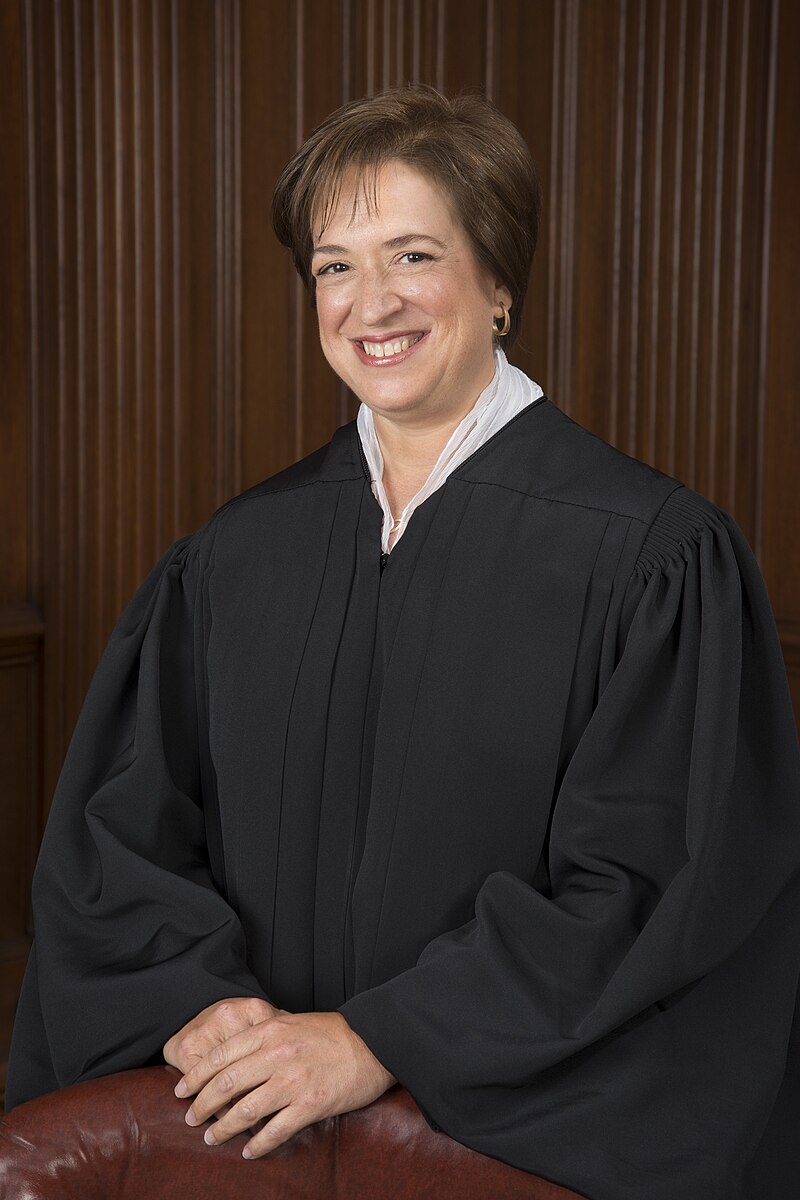
Justice Kagan
Majority
EK
Elena Kagan
Majority
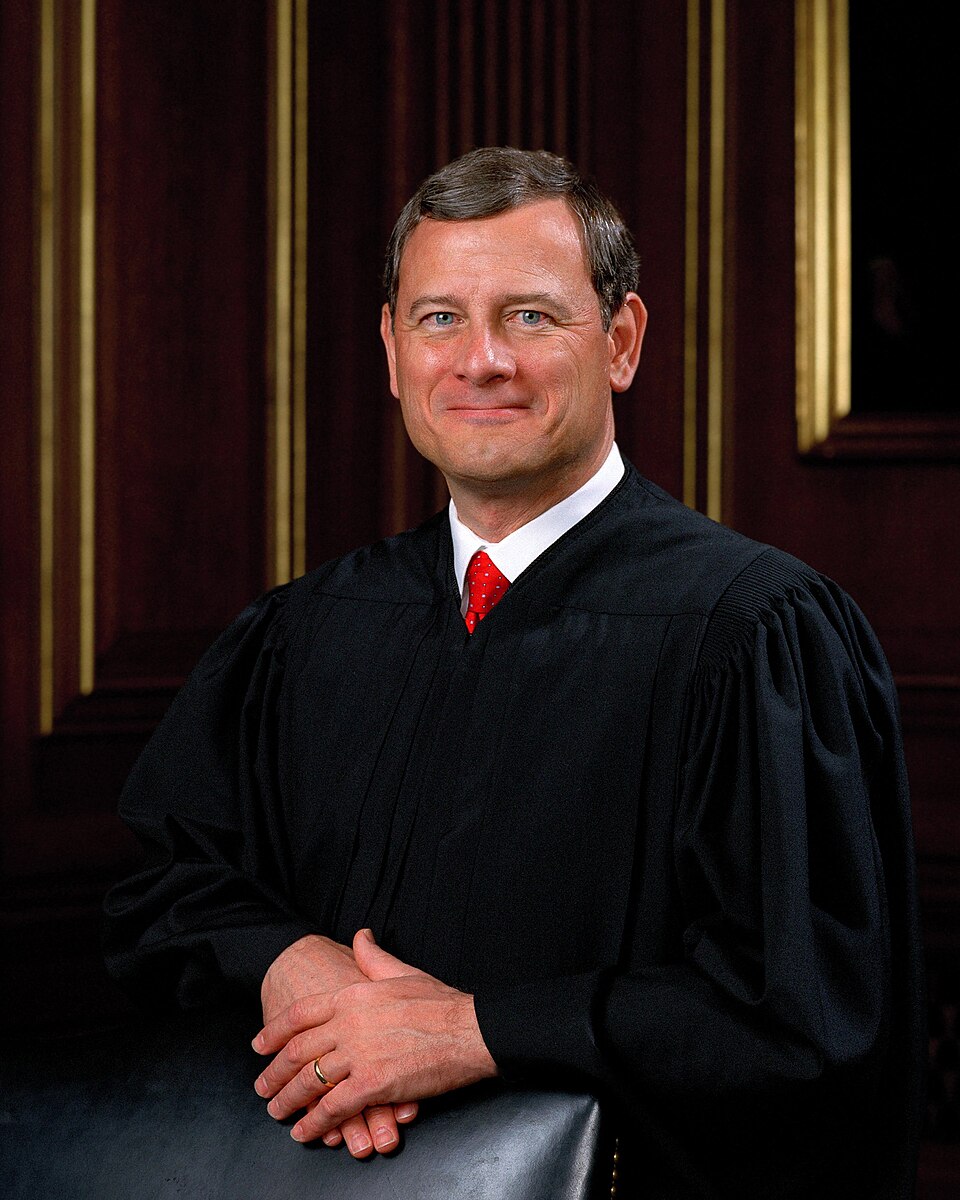
Chief Justice Roberts
Chief Justice
JG
John Jr.
Majority
RB
Ruth Ginsburg
Majority
Justice Sotomayor
Majority
SS
Sonia Sotomayor
Majority
SG
Stephen Breyer
Majority
Concurred
2 justices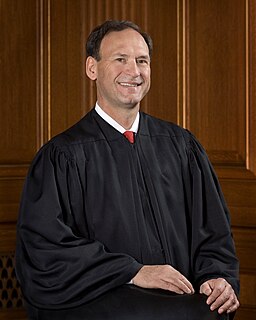
Justice Alito
Concurred
SA
Samuel Jr.
Concurred
What this means for you
Riley is one of the Court's central digital-privacy decisions. It gave cell phone data strong Fourth Amendment protection and forced police to treat phones differently from wallets, papers, or other physical items found on an arrestee.
Key Takeaways
- Cell phones hold far more private information than ordinary physical items found during an arrest.
- The search-incident-to-arrest exception did not justify a categorical search of phone data.
- Police may secure a phone while seeking a warrant, including steps to prevent remote wiping.
- Emergency or exigent circumstances may still justify some warrantless searches in specific cases.
- The decision covered Riley's case and the companion case United States v. Wurie.
Decision
4-1 majority opinion
- Citation
- 573 U.S. 373 (2014)
- Vote
- 4-1
- Decision type
- Majority opinion
- Argued
- April 29, 2014
- Decided
- June 25, 2014
- Term
- 2013
- Opinion author
- John G. Roberts, Jr.
Chief Justice Roberts wrote for a unanimous judgment. Justices Scalia, Kennedy, Thomas, Ginsburg, Breyer, Sotomayor, and Kagan joined the Court's opinion. Justice Alito concurred in part and concurred in the judgment.