543 U.S. 551 (2005) · 2005
Roper v. Simmons
juvenile justicedeath penaltyEighth Amendmentcriminal sentencingchildren and lawLandmark
Summary
Roper v. Simmons held that the Constitution bars the death penalty for crimes committed by people under 18. The Court relied on the Eighth Amendment, youth-development differences, and national consensus against juvenile execution.
Background & Context
This case should be connected to the Court’s broader youth-sentencing doctrine. It is not only a death-penalty case; it is a constitutional statement that children are different from adults for punishment.
The Question Before the Court
Does the Eighth Amendment permit the death penalty for crimes committed by people who were under 18 at the time of the offense?
Petitioner
Roper
Party asking the Court to review or reverse
Argued
- Juvenile executions are cruel and unusual.
Respondent
Simmons
Party defending the judgment below
Argued
- States could still authorize juvenile executions.
The Holding
The Eighth and Fourteenth Amendments prohibit executing people for crimes committed before age 18.
The Court
How the justices lined up in this decision.
5-4
Vote
Joined decision
5 justicesAK
Anthony Kennedy
Majority
DS
David Souter
Majority
JP
John Stevens
Majority
RB
Ruth Ginsburg
Majority
SB
Stephen Breyer
Majority
Dissented
5 justicesAS
Antonin Scalia
Dissent
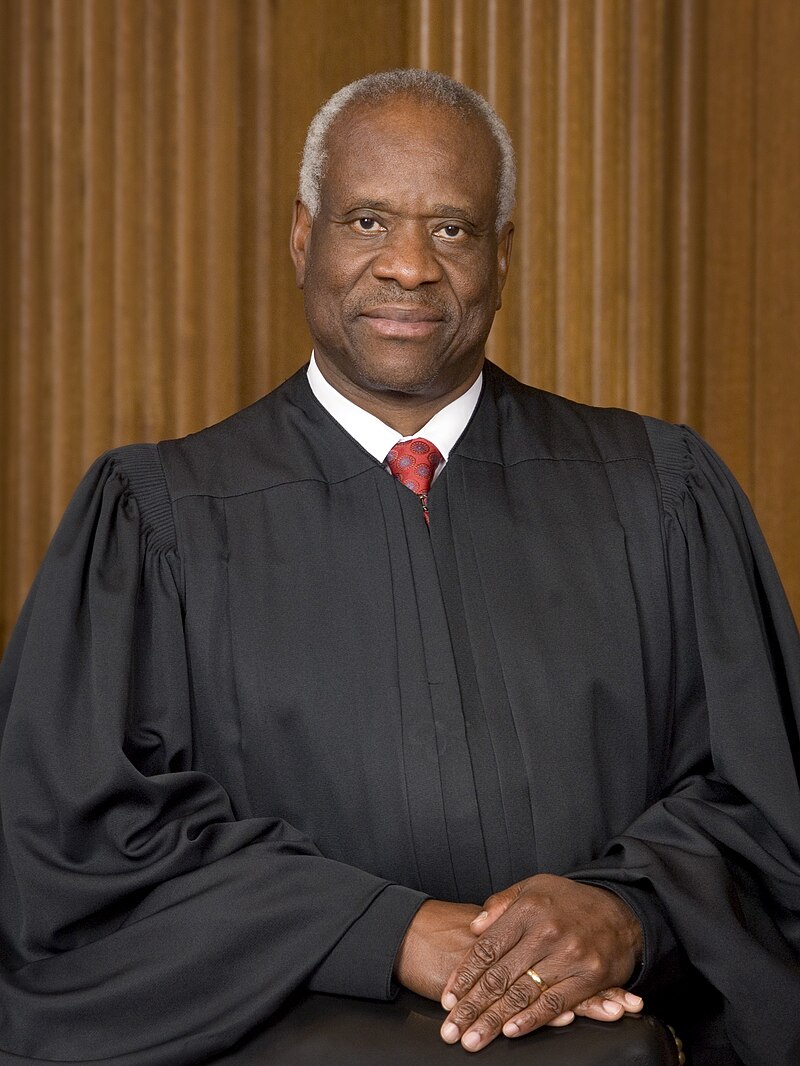
Justice Thomas
Dissent
CT
Clarence Thomas
Dissent
SD
Sandra O’Connor
Dissent
WR
William Rehnquist
Dissent
What this means for you
The ruling removed children from death-penalty eligibility nationwide. It mattered for young people in the harshest parts of the criminal legal system and forced courts to treat youth as constitutionally meaningful. The decision also shaped later fights over juvenile life without parole.
Key Takeaways
- The Court banned the death penalty for crimes committed before age 18.
- The decision overruled Stanford v. Kentucky.
- The majority emphasized developmental differences between children and adults.
- The ruling became part of a broader juvenile-sentencing line with Graham and Miller.
- The case removed a category of young people from the harshest criminal punishment.
Decision
5-4 majority opinion
- Citation
- 543 U.S. 551 (2005)
- Vote
- 5-4
- Decision type
- Majority opinion
- Argued
- October 13, 2004
- Decided
- March 1, 2005
- Term
- 2004
- Opinion author
- Anthony Kennedy
Justice Kennedy wrote the Court’s opinion, joined by Justices Stevens, Souter, Ginsburg, and Breyer. Justice Stevens concurred, joined by Justice Ginsburg. Justice O’Connor dissented. Justice Scalia dissented, joined by Chief Justice Rehnquist and Justice Thomas.