588 U.S. 684 (2019) · 2019
Rucho v. Common Cause
voting rightsredistrictingpartisan gerrymanderingdemocracypolitical question doctrineLandmark
Summary
Rucho v. Common Cause held that partisan-gerrymandering claims are nonjusticiable political questions in federal court. The ruling closed a federal judicial path for challenging maps drawn to entrench partisan power, while leaving state and congressional remedies available.
Background & Context
The challenges targeted congressional maps that entrenched partisan advantage. In North Carolina, Republican mapmakers openly aimed to preserve Republican seats; in Maryland, Democratic mapmakers targeted a Republican-held seat. The case asked whether federal courts could police those partisan abuses.
The Question Before the Court
Are partisan-gerrymandering claims justiciable in federal court?
Petitioner
Rucho
Party asking the Court to review or reverse
Argued
- Federal courts lack a manageable standard.
Respondent
Common Cause
Party defending the judgment below
Argued
- Extreme partisan gerrymandering violates constitutional rights.
The Holding
Partisan-gerrymandering claims present political questions beyond the reach of federal courts.
The Court
How the justices lined up in this decision.
5-4
Vote
Joined decision
10 justicesBK
Brett Kavanaugh
Majority
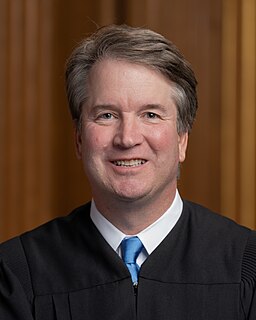
Justice Kavanaugh
Majority
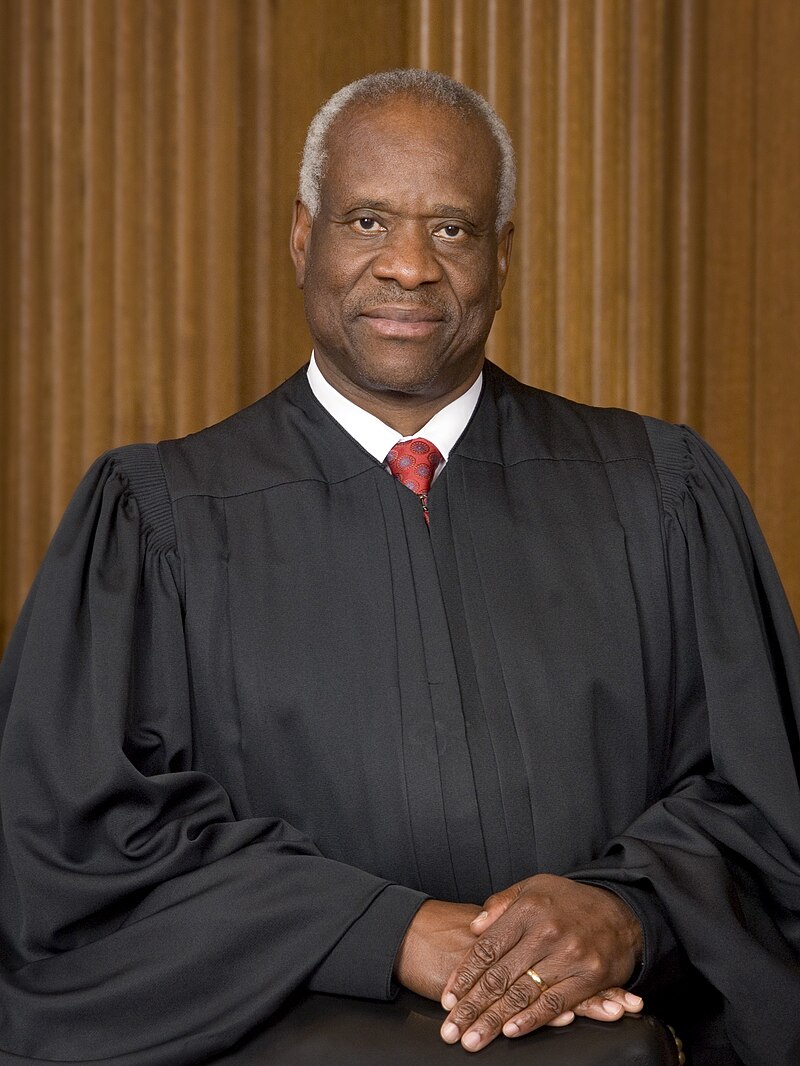
Justice Thomas
Majority
CT
Clarence Thomas
Majority
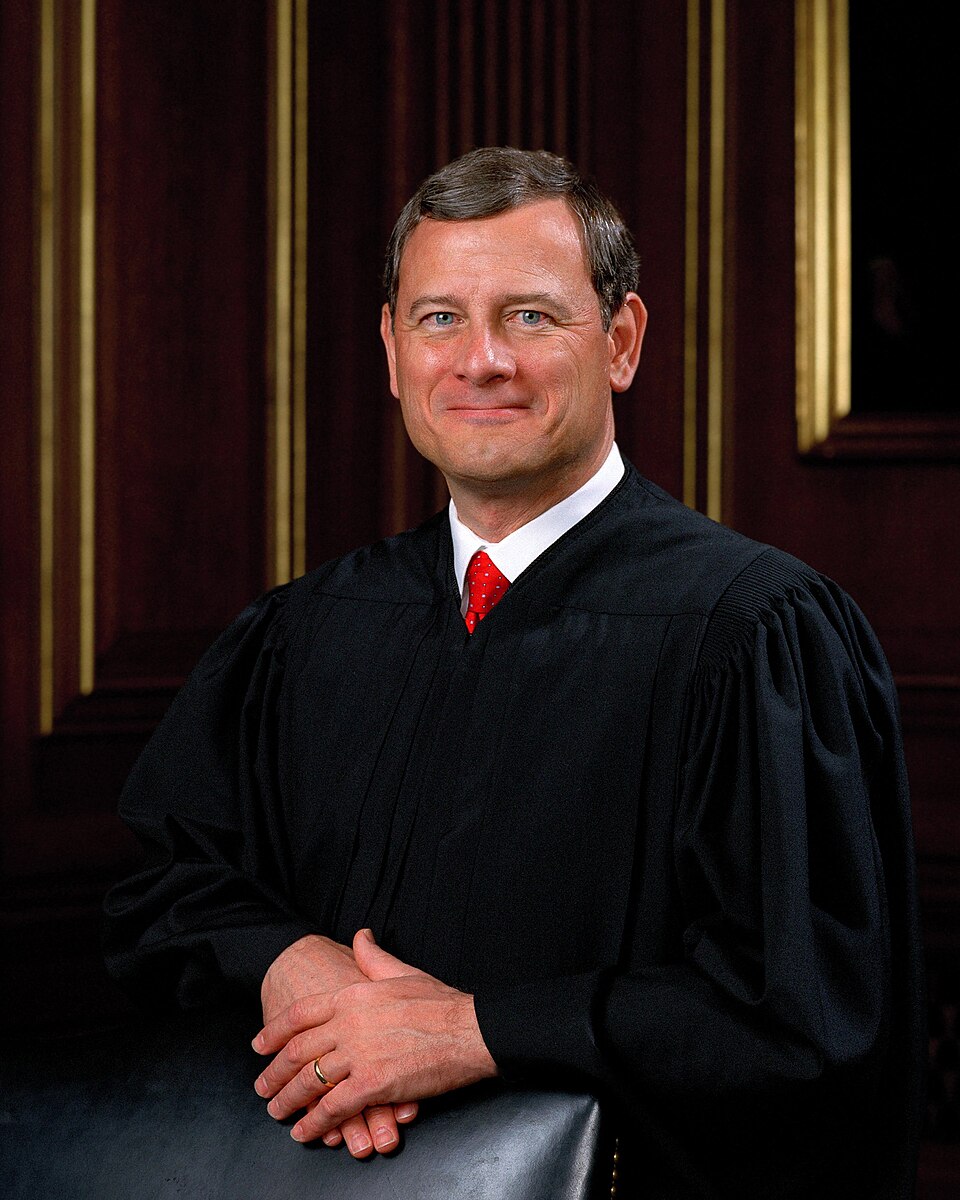
Chief Justice Roberts
Chief Justice
JR
John Roberts
Majority
NG
Neil Gorsuch
Majority
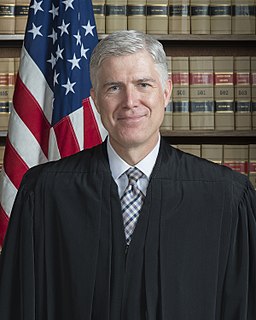
Justice Gorsuch
Majority
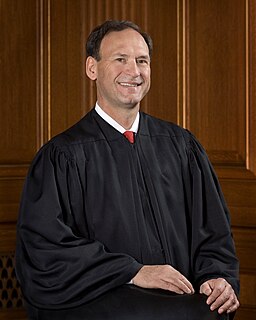
Justice Alito
Majority
SA
Samuel Alito
Majority
Dissented
6 justices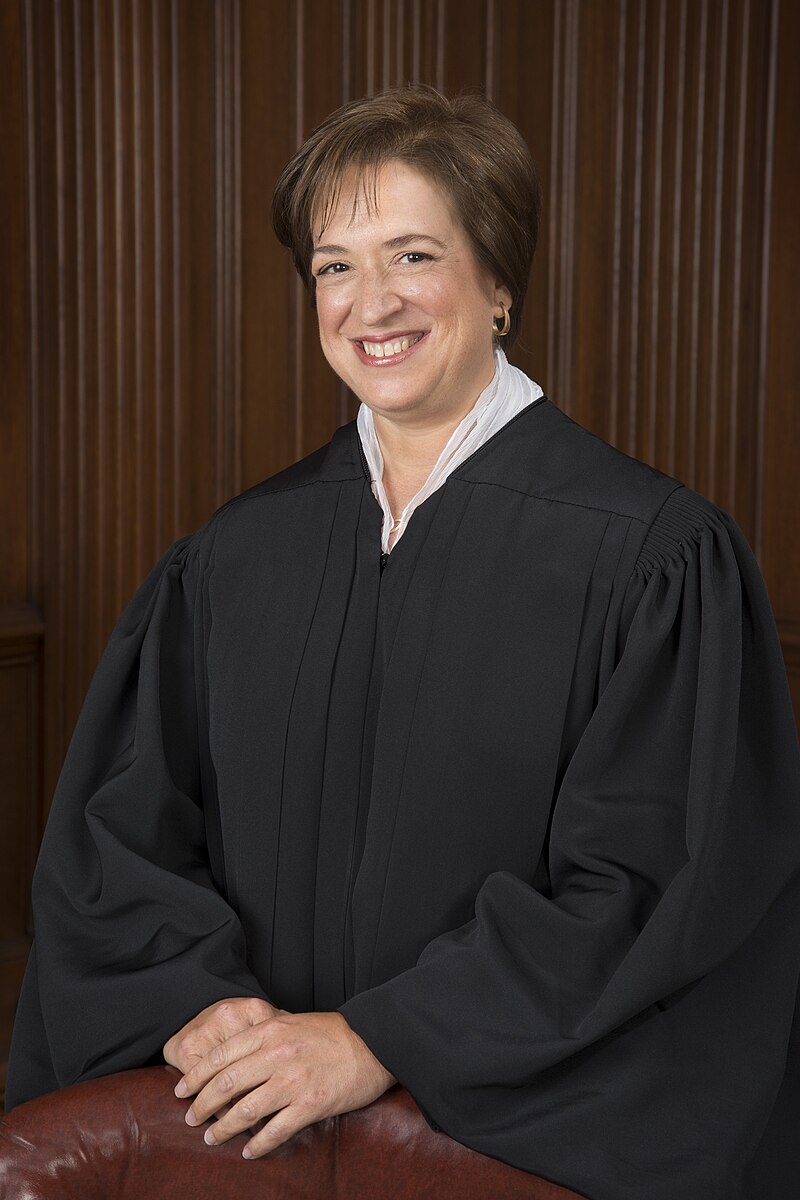
Justice Kagan
Dissent
EK
Elena Kagan
Dissent
RB
Ruth Ginsburg
Dissent
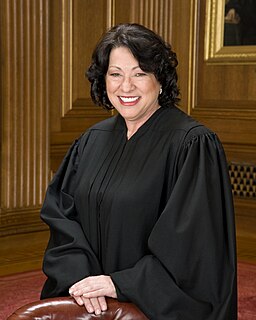
Justice Sotomayor
Dissent
SS
Sonia Sotomayor
Dissent
SB
Stephen Breyer
Dissent
What this means for you
The decision shifted power away from federal courts and toward state institutions and political actors. Voters harmed by extreme partisan maps often must rely on state courts, state constitutional claims, ballot initiatives, commissions, or Congress. In practice, the ruling made it easier for parties controlling state legislatures to draw maps that lock in power unless state law stops them.
Key Takeaways
- Federal courts cannot decide partisan-gerrymandering claims.
- The Court did not deny that extreme partisan gerrymandering harms democracy.
- The majority said there was no manageable constitutional standard for federal judges to apply.
- The dissent argued the Court abandoned voters whose political power was intentionally diluted.
- The decision pushed reform efforts to state courts, state constitutions, commissions, and Congress.
Decision
5-4 majority opinion
- Citation
- 588 U.S. 684 (2019)
- Vote
- 5-4
- Decision type
- Majority opinion
- Argued
- March 26, 2019
- Decided
- June 27, 2019
- Term
- 2018
- Opinion author
- John Roberts
Chief Justice Roberts wrote the Court's opinion, joined by Justices Thomas, Alito, Gorsuch, and Kavanaugh. Justice Kagan dissented, joined by Justices Ginsburg, Breyer, and Sotomayor.