603 U.S. 109 (2024) · 2024
Securities and Exchange Commission v. Jarkesy
administrative lawSEC enforcementjury trialsecurities fraudagency powerLandmark
Summary
Jarkesy held that the SEC could not seek civil penalties for securities fraud in an administrative proceeding without providing a jury trial. The Court held that the action resembled common-law fraud and sought legal penalties, so the Seventh Amendment applied. The ruling narrows agency use of in-house adjudication for some penalty actions.
Background & Context
Congress had authorized the SEC to bring some enforcement actions either in federal court or before agency administrative law judges. Jarkesy challenged the administrative process after the SEC imposed penalties for securities fraud.
The Question Before the Court
Does the Seventh Amendment require a jury trial when the SEC seeks civil penalties for securities fraud?
Petitioner
Securities and Exchange Commission
Party asking the Court to review or reverse
Argued
- Congress can't strip people of their Seventh Amendment right to a jury trial by routing fraud cases through agency tribunals.
- The SEC acted as judge, jury, and executioner in a process it controlled from start to finish.
- The penalties the SEC sought — $985,000 in combined fines and disgorgement — are exactly the kind of money damages that the Seventh Amendment was designed to send to juries.
- Congress delegated too much power to the SEC without clear standards for when it could choose an internal tribunal versus a federal court.
Respondent
Jarkesy
Party defending the judgment below
Argued
- Securities regulation didn't exist in 1791, so these cases don't have a historical analogue that triggers Seventh Amendment protections.
- Congress has constitutional authority to create new regulatory schemes and assign adjudication of those schemes to agencies rather than Article III courts.
- Administrative tribunals have handled securities enforcement for decades with congressional authorization, and stripping that authority would devastate the SEC's ability to protect investors.
- The public rights doctrine allows Congress to assign regulatory disputes to agencies without triggering Seventh Amendment jury trial rights.
The Holding
When the SEC seeks civil penalties for securities fraud, the Seventh Amendment entitles the defendant to a jury trial because the claim resembles common-law fraud and seeks legal penalties.
The Court
How the justices lined up in this decision.
6-3
Vote
Joined decision
11 justices
Justice Barrett
Majority
AC
Amy Barrett
Majority
BK
Brett Kavanaugh
Majority
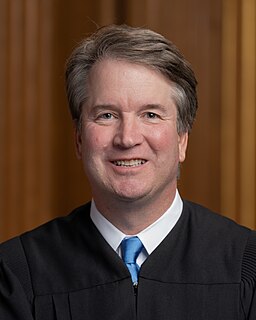
Justice Kavanaugh
Majority
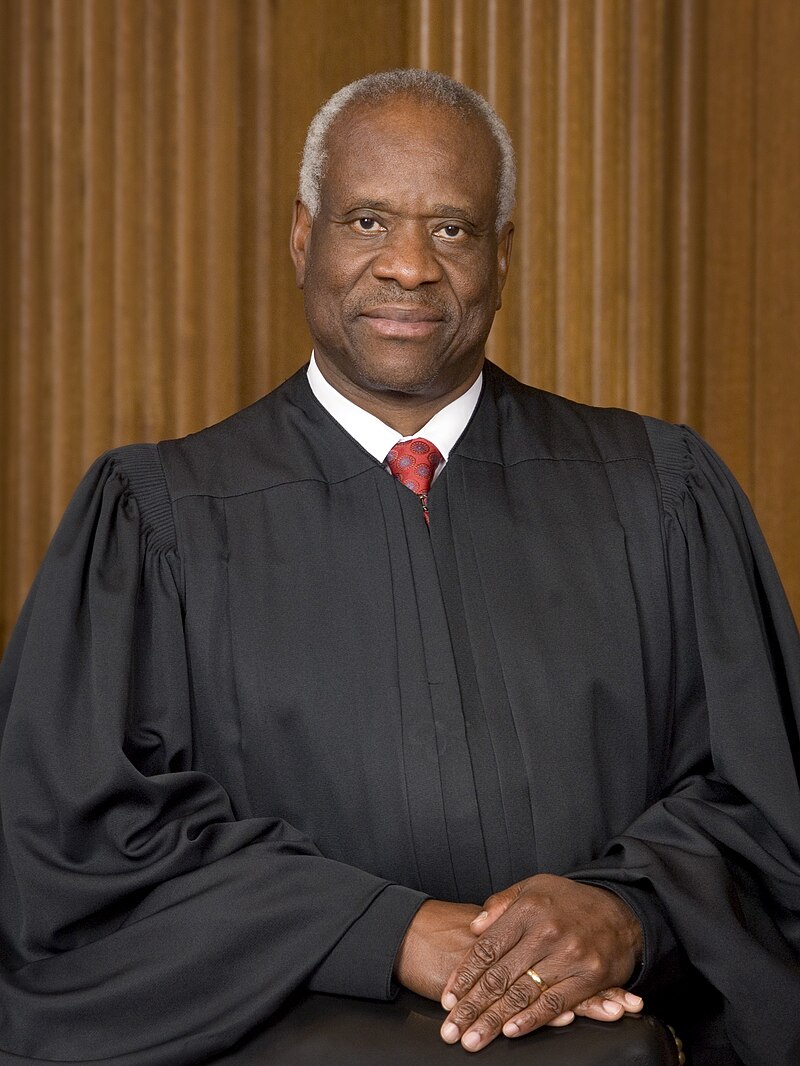
Justice Thomas
Majority
CT
Clarence Thomas
Majority
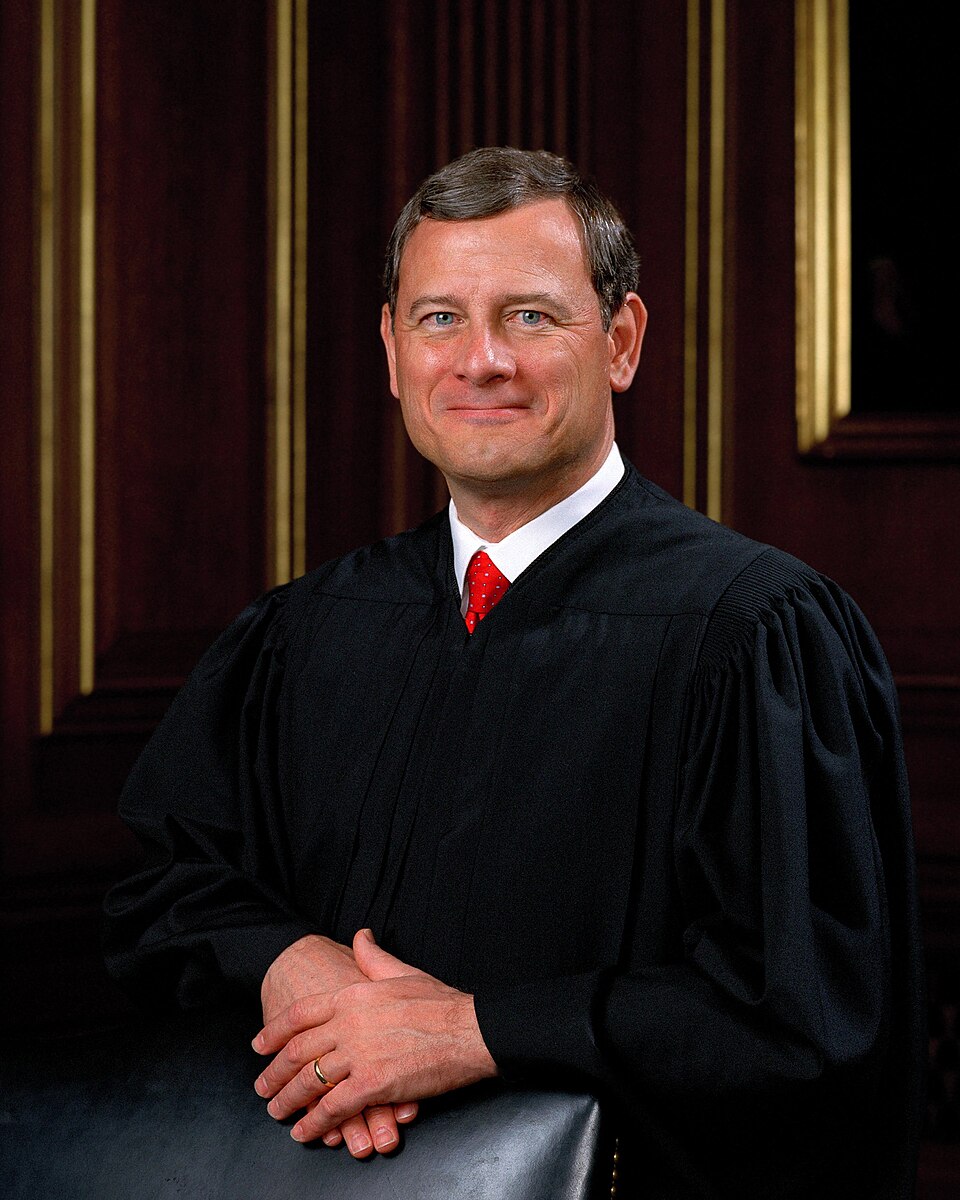
Chief Justice Roberts
Chief Justice
JR
John Roberts
Majority
NG
Neil Gorsuch
Majority
Justice Alito
Majority
SA
Samuel Alito
Majority
Concurred
1 justice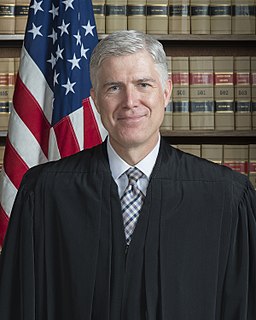
Justice Gorsuch
Concurred
Dissented
6 justices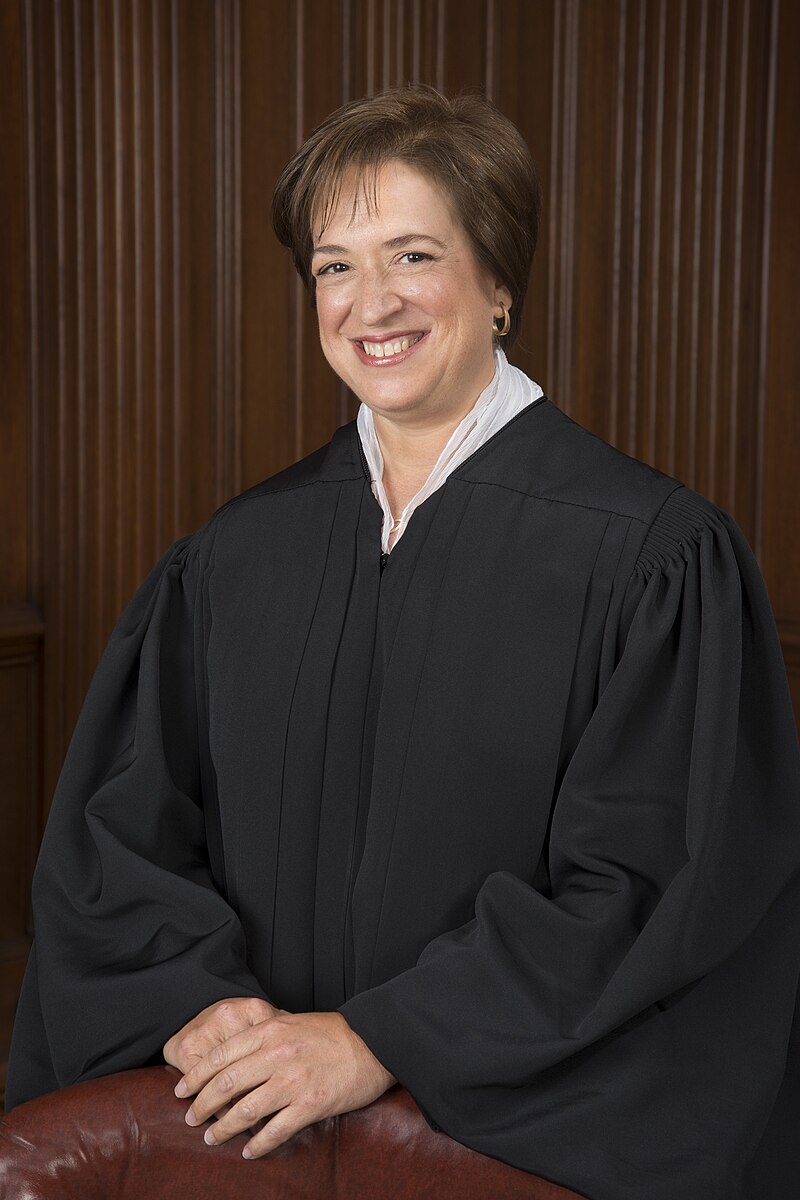
Justice Kagan
Dissent
EK
Elena Kagan
Dissent

Justice Jackson
Dissent
KB
Ketanji Jackson
Dissent
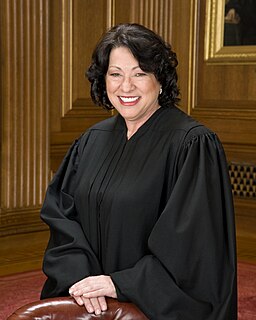
Justice Sotomayor
Dissent
SS
Sonia Sotomayor
Dissent
What this means for you
The decision shifts more SEC fraud-penalty cases into federal court and weakens one tool agencies use to enforce complex regulatory schemes quickly. It gives regulated parties more procedural protection, but it can also make enforcement slower, more expensive, and harder for agencies with limited resources.
Key Takeaways
- SEC securities-fraud penalty actions trigger the Seventh Amendment jury-trial right.
- The Court treated the claim as close to common-law fraud.
- The public-rights exception did not apply.
- The decision moves more agency enforcement into Article III courts.
- The dissent warned the ruling threatens administrative enforcement across agencies.
Decision
6-3 majority opinion
- Citation
- 603 U.S. 109 (2024)
- Vote
- 6-3
- Decision type
- Majority opinion
- Argued
- November 29, 2023
- Decided
- June 27, 2024
- Term
- 2023
- Opinion author
- John Roberts
Chief Justice Roberts wrote the Court's opinion, joined by Justices Thomas, Alito, Gorsuch, Kavanaugh, and Barrett. Justice Gorsuch concurred, joined by Justice Thomas. Justice Sotomayor dissented, joined by Justices Kagan and Jackson.