570 U.S. 529 (2013) · 2013
Shelby County v. Holder
voting rightsracial discriminationelection lawfederalismcivil rightsLandmark
Summary
Shelby County v. Holder struck down Section 4(b) of the Voting Rights Act, the coverage formula that determined which jurisdictions had to seek preclearance before changing voting laws. The ruling left Section 5 formally on the books but largely inoperative unless Congress adopts a new coverage formula.
Background & Context
Canonical active row after archiving duplicate long-party row. This record should connect the legal holding to the Voting Rights Act’s history: preclearance was created because case-by-case lawsuits could not keep up with repeated discriminatory voting changes.
The Question Before the Court
Did Congress exceed its enforcement authority under the Fourteenth and Fifteenth Amendments by reauthorizing the Voting Rights Act’s coverage formula and preclearance system?
Petitioner
Shelby County
Party asking the Court to review or reverse
Argued
- The coverage formula was outdated.
- The formula treated states unequally.
Respondent
Holder
Party defending the judgment below
Argued
- Congress had a strong record of ongoing discrimination.
- Preclearance prevented harm before elections happened.
The Holding
Section 4(b) of the Voting Rights Act is unconstitutional because its coverage formula was based on outdated data and therefore could no longer justify subjecting covered jurisdictions to preclearance under Section 5.
The Court
How the justices lined up in this decision.
2-3
Vote
Joined decision
7 justicesAK
Anthony Kennedy
Majority
AS
Antonin Scalia
Majority
CT
Clarence Thomas
Majority
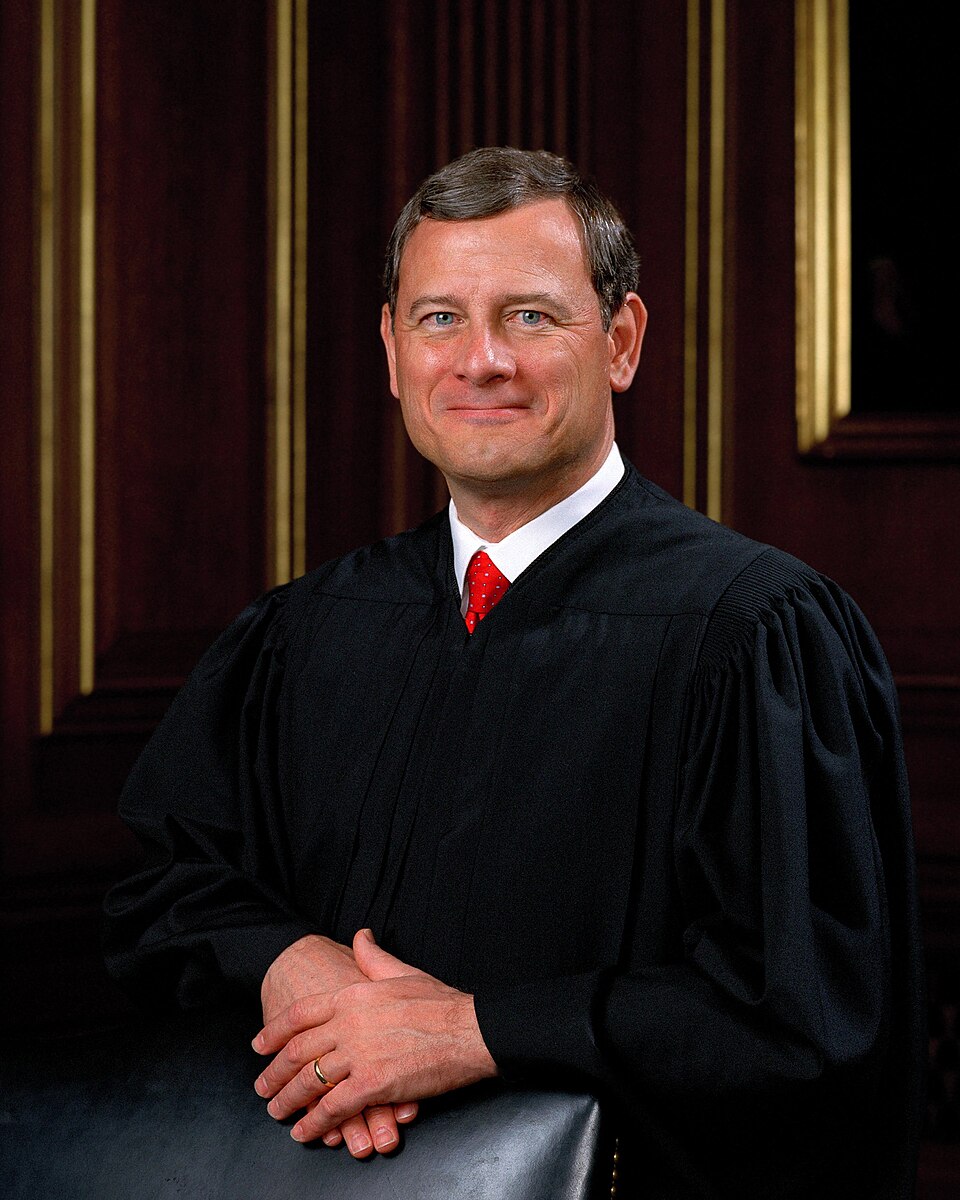
Chief Justice Roberts
Chief Justice
JR
John Roberts
Majority
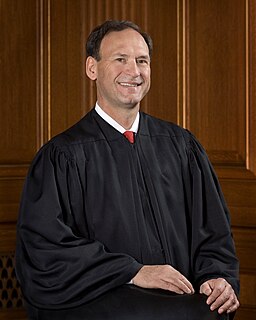
Justice Alito
Majority
SA
Samuel Alito
Majority
Concurred
1 justice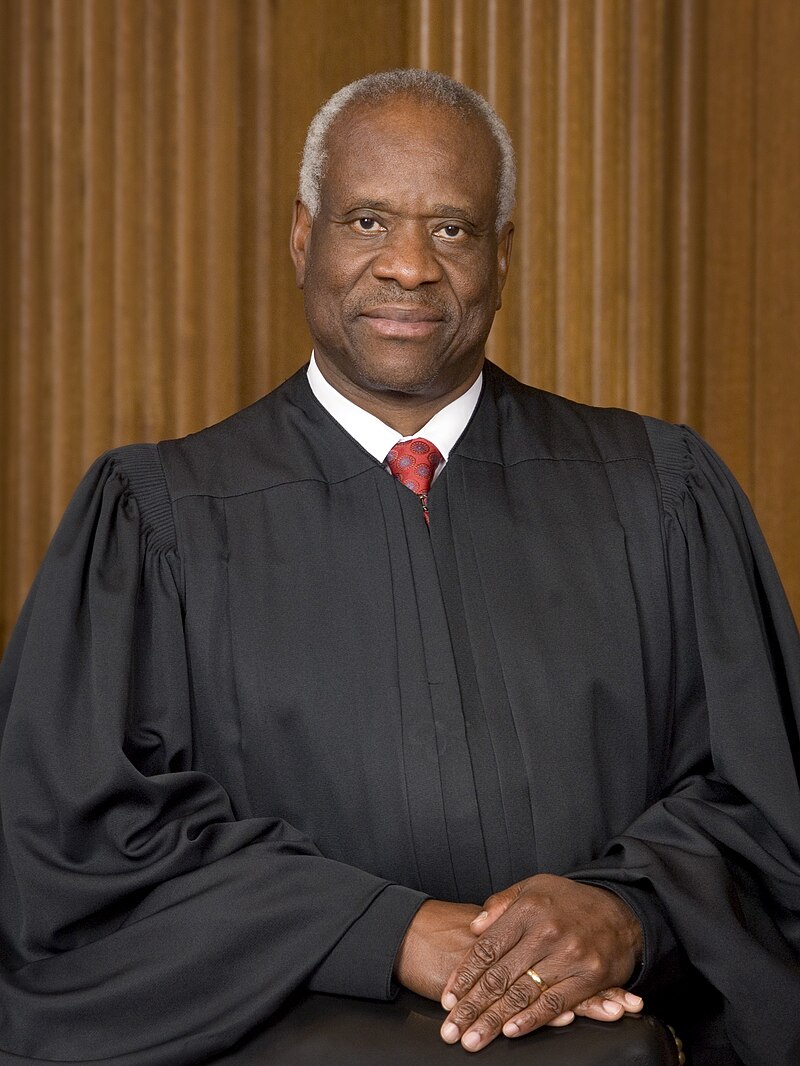
Justice Thomas
Concurred
Dissented
6 justices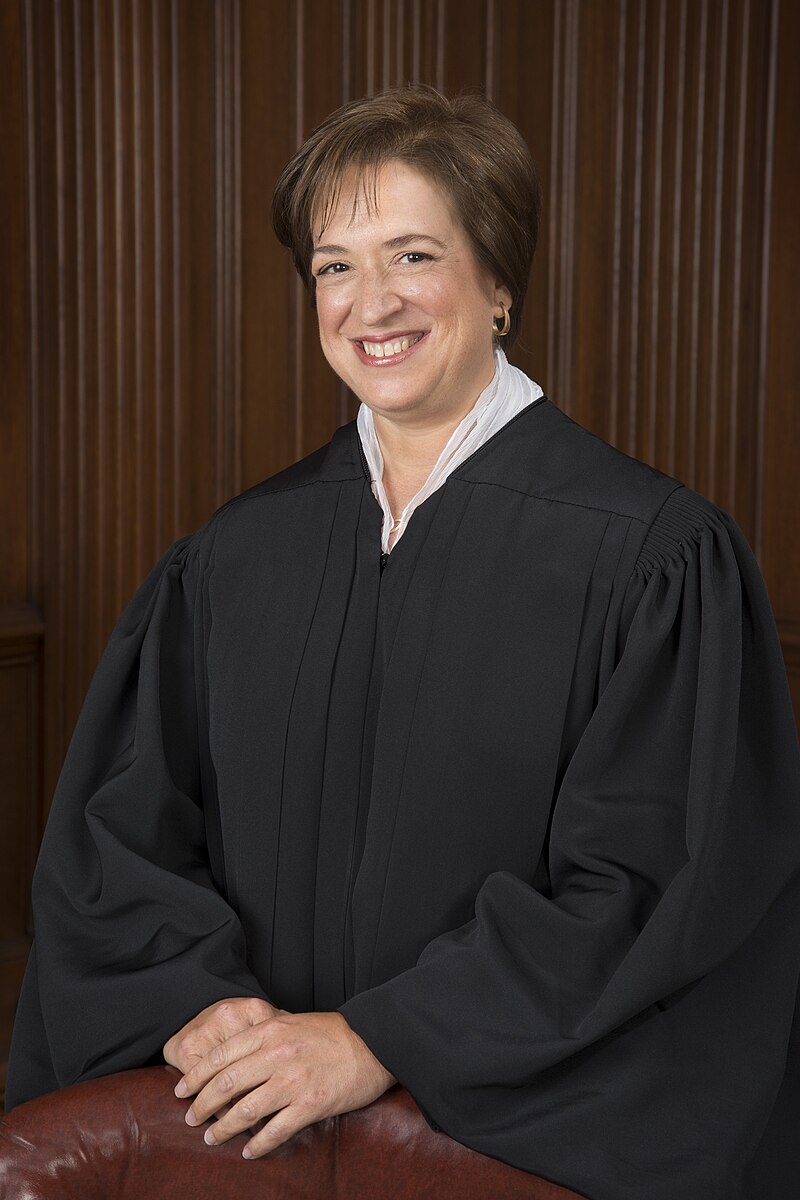
Justice Kagan
Dissent
EK
Elena Kagan
Dissent
RB
Ruth Ginsburg
Dissent
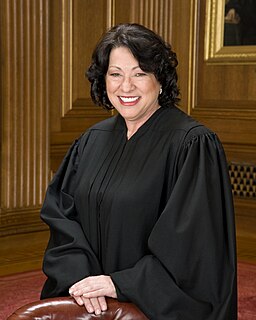
Justice Sotomayor
Dissent
SS
Sonia Sotomayor
Dissent
SB
Stephen Breyer
Dissent
What this means for you
The decision shifted voting-rights enforcement from prevention to after-the-fact litigation. States and counties previously covered by preclearance could change voting rules without first proving those changes were nondiscriminatory. That mattered for Black, Latino, Native, Asian American, and other voters of color in places with histories of discriminatory election practices. After Shelby County, voting-rights groups and the federal government often had to sue only after a rule was already in effect, which is slower, more expensive, and less protective than preclearance.
Key Takeaways
- The Court struck down the Voting Rights Act’s coverage formula in Section 4(b).
- The Court did not strike down Section 5 preclearance itself, but disabled it in practice by removing the formula.
- The majority said the formula relied on outdated data and violated equal sovereignty principles.
- The dissent said Congress had a strong record showing ongoing racial discrimination in voting.
- The ruling shifted voting-rights enforcement toward slower after-the-fact lawsuits.
Decision
2-3 majority opinion
- Citation
- 570 U.S. 529 (2013)
- Vote
- 2-3
- Decision type
- Majority opinion
- Argued
- February 27, 2013
- Decided
- June 25, 2013
- Term
- 2012
- Opinion author
- John Roberts
Chief Justice Roberts wrote the Court’s opinion, joined by Justices Scalia, Kennedy, Thomas, and Alito. Justice Thomas concurred. Justice Ginsburg dissented, joined by Justices Breyer, Sotomayor, and Kagan.