585 U.S. 162 (2018) · 2018
South Dakota v. Wayfair, Inc.
tax lawe-commercestate powerCommerce ClausefederalismLandmark
Summary
South Dakota v. Wayfair overruled the physical-presence rule that had blocked states from requiring many out-of-state sellers to collect sales tax. The Court held that substantial virtual and economic contacts can be enough for state tax collection duties under the Commerce Clause.
Background & Context
South Dakota enacted an economic-nexus law to challenge the Quill physical-presence rule and address revenue losses from online commerce. The case changed state tax authority in the online retail era.
The Question Before the Court
May a state require out-of-state sellers with substantial economic contacts, but no physical presence, to collect and remit sales tax?
Petitioner
South Dakota
Party asking the Court to review or reverse
Argued
- The physical-presence rule was obsolete.
- The old rule distorted markets and drained state revenue.
Respondent
Wayfair, Inc.
Party defending the judgment below
Argued
- Quill should be preserved under stare decisis.
- Multistate compliance burdens could be severe.
The Holding
The physical-presence rule of Quill and National Bellas Hess is overruled. A state may require out-of-state sellers to collect and remit sales tax when the seller has a substantial nexus with the state, even without physical presence.
The Court
How the justices lined up in this decision.
5-4
Vote
Joined decision
8 justicesAK
Anthony Kennedy
Majority
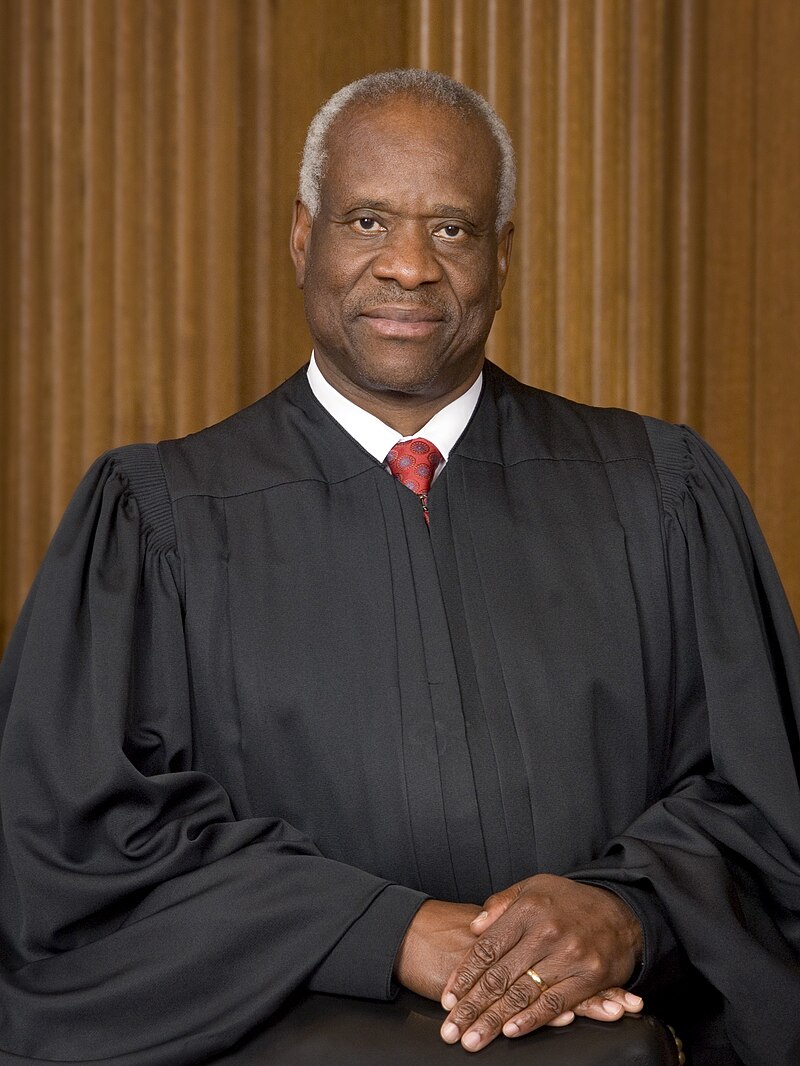
Justice Thomas
Majority
CT
Clarence Thomas
Majority
NG
Neil Gorsuch
Majority
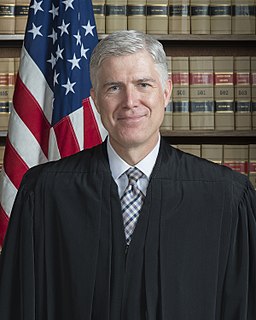
Justice Gorsuch
Majority
RB
Ruth Ginsburg
Majority
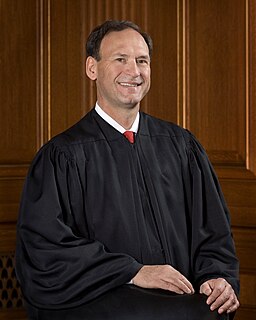
Justice Alito
Majority
SA
Samuel Alito
Majority
Dissented
7 justices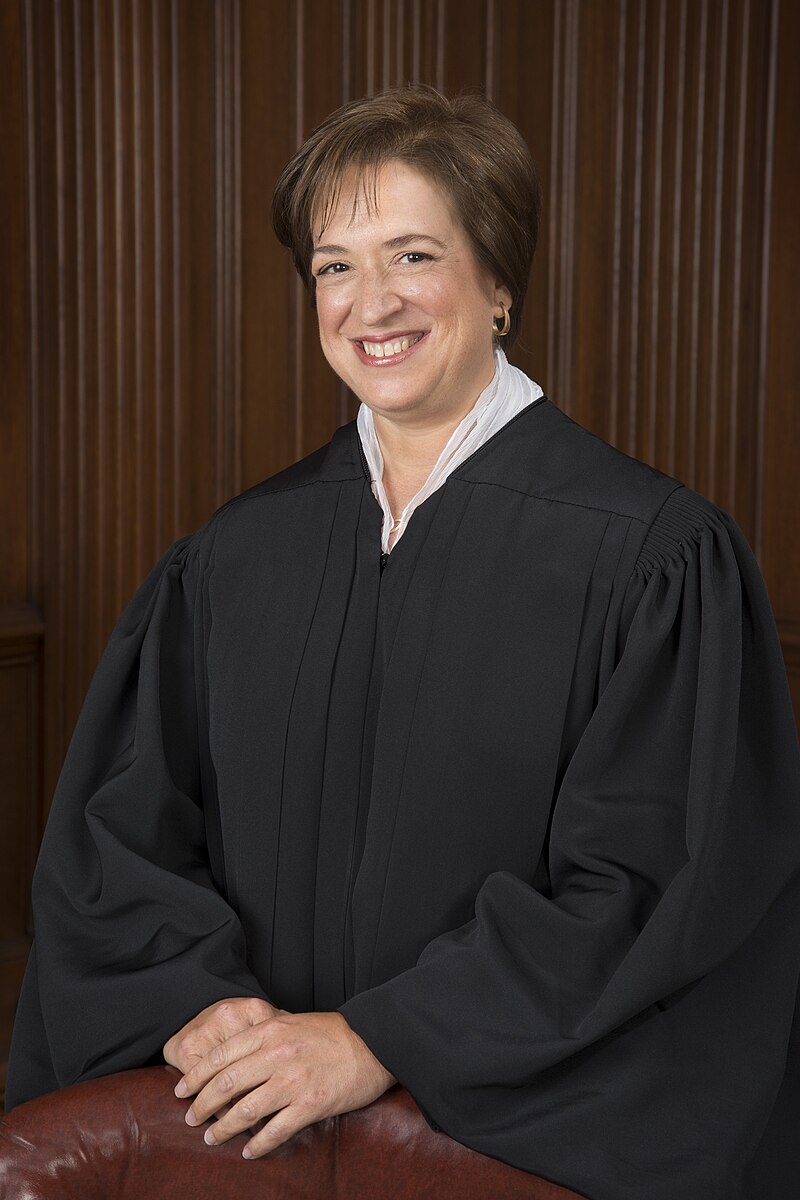
Justice Kagan
Dissent
EK
Elena Kagan
Dissent
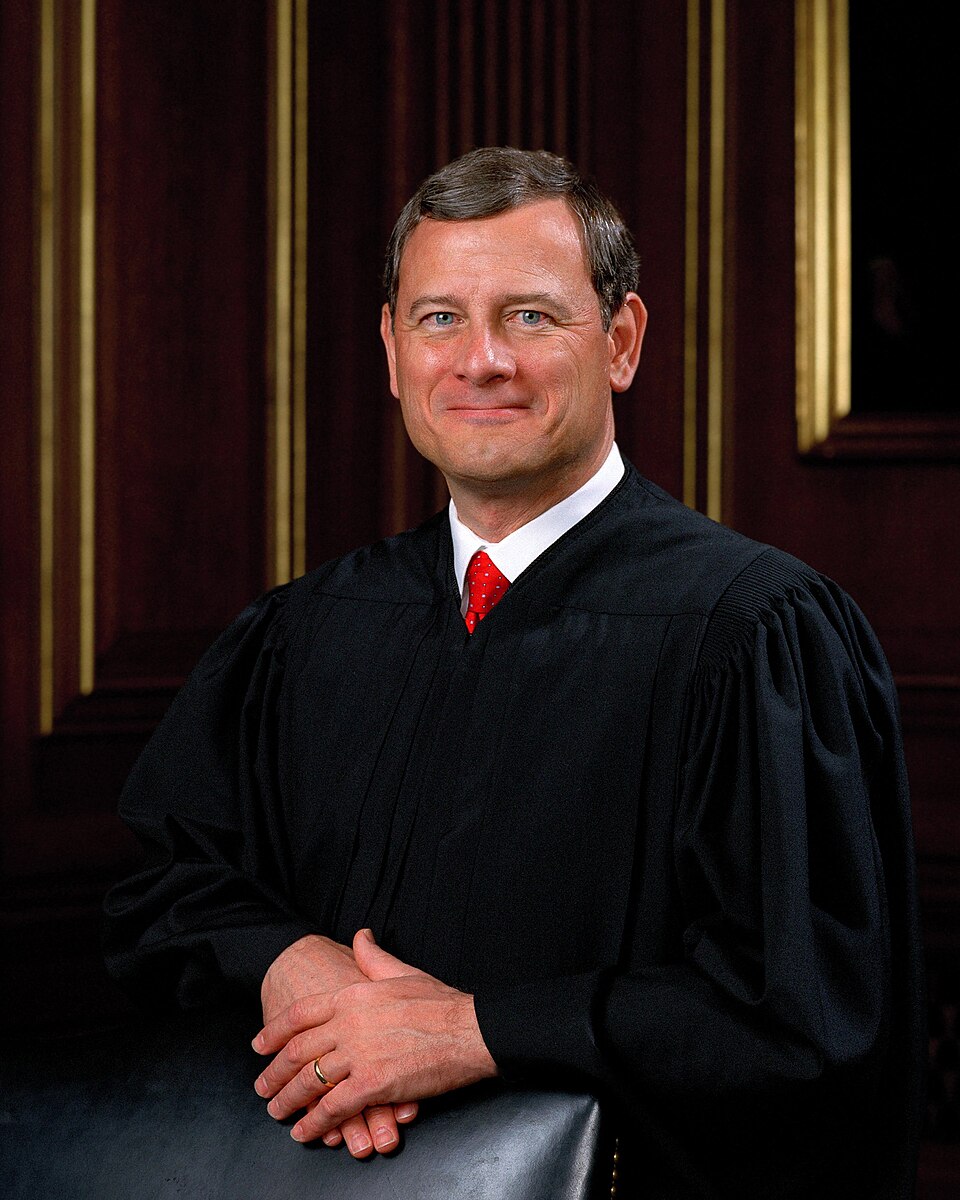
Chief Justice Roberts
Chief Justice
JR
John Roberts
Dissent
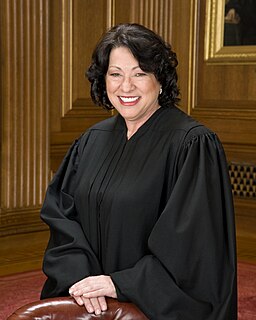
Justice Sotomayor
Dissent
SS
Sonia Sotomayor
Dissent
SB
Stephen Breyer
Dissent
What this means for you
The ruling shifted tax power toward states and local governments by allowing them to collect sales tax from large online sellers. It helped level tax treatment between local businesses and online retailers, but it also increased compliance burdens for businesses selling across many states. Many states responded by adopting economic nexus laws or enforcing existing ones.
Key Takeaways
- The Court overruled Quill and National Bellas Hess on the physical-presence rule.
- A seller does not need physical presence in a state before the state may require sales-tax collection.
- South Dakota’s law applied only to sellers above sales or transaction thresholds.
- The ruling reflected the economic reality of online commerce.
- The decision increased state tax-collection authority while raising compliance questions for multistate sellers.
Decision
5-4 majority opinion
- Citation
- 585 U.S. 162 (2018)
- Vote
- 5-4
- Decision type
- Majority opinion
- Argued
- April 17, 2018
- Decided
- June 21, 2018
- Term
- 2017
- Opinion author
- Anthony Kennedy
Justice Kennedy wrote the Court’s opinion, joined by Justices Thomas, Ginsburg, Alito, and Gorsuch. Justices Thomas and Gorsuch filed concurrences. Chief Justice Roberts dissented, joined by Justices Breyer, Sotomayor, and Kagan.