600 U.S. 181 (2023) · 2023
Students for Fair Admissions, Inc. v. President and Fellows of Harvard College
affirmative actioncollege admissionsracial equalityTitle VIeducationLandmark
Summary
Students for Fair Admissions held that Harvard's race-conscious admissions program violated Title VI because it would violate Equal Protection standards if used by a public university. The Court rejected the admissions programs at Harvard and UNC under strict scrutiny and effectively ended the prevailing model of affirmative action in selective college admissions.
Background & Context
The case challenged admissions programs that used race as one factor in holistic review. The Court decided Harvard together with the UNC case, but Justice Jackson recused from the Harvard case because of her prior service on Harvard's Board of Overseers.
The Question Before the Court
Do Harvard's race-conscious admissions practices violate Title VI because they would violate Equal Protection principles if used by a public university?
Petitioner
Students for Fair Admissions, Inc.
Party asking the Court to review or reverse
Argued
- The Constitution requires the government and institutions that receive federal funding to treat individuals without regard to race — period.
- Harvard systematically discriminated against Asian American applicants through subjective ratings that had no basis in objective academic performance.
- Race-conscious admissions hurt the very students they're supposed to help by stigmatizing their achievements and creating doubt about whether they earned their place.
- Twenty years of Grutter was supposed to be enough. The Court should hold institutions to that timeline.
Respondent
President and Fellows of Harvard College
Party defending the judgment below
Argued
- The Supreme Court explicitly authorized race-conscious admissions in 2003 in Grutter v. Bollinger, and nothing in the Constitution or law has changed to require overruling that decision.
- Diversity in higher education produces concrete, proven benefits for all students — not just members of minority groups.
- Race-neutral alternatives have repeatedly failed to maintain meaningful diversity at highly selective schools that eliminate race-conscious admissions.
- These admissions programs don't use racial quotas — they use individualized, holistic review where race is one factor among many.
The Holding
Harvard's race-conscious admissions program violates Title VI because it would violate the Equal Protection Clause if used by a public university. The Court held that the admissions programs at Harvard and UNC did not satisfy strict scrutiny.
The Court
How the justices lined up in this decision.
6-2 as to Harvard; Justice Jackson did not participate
Vote
Joined decision
8 justicesAC
Amy Barrett
Majority
BK
Brett Kavanaugh
Majority
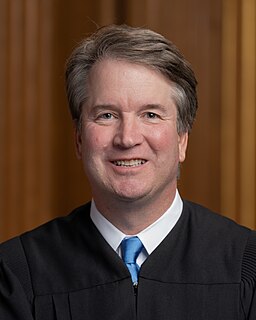
Justice Kavanaugh
Majority
CT
Clarence Thomas
Majority
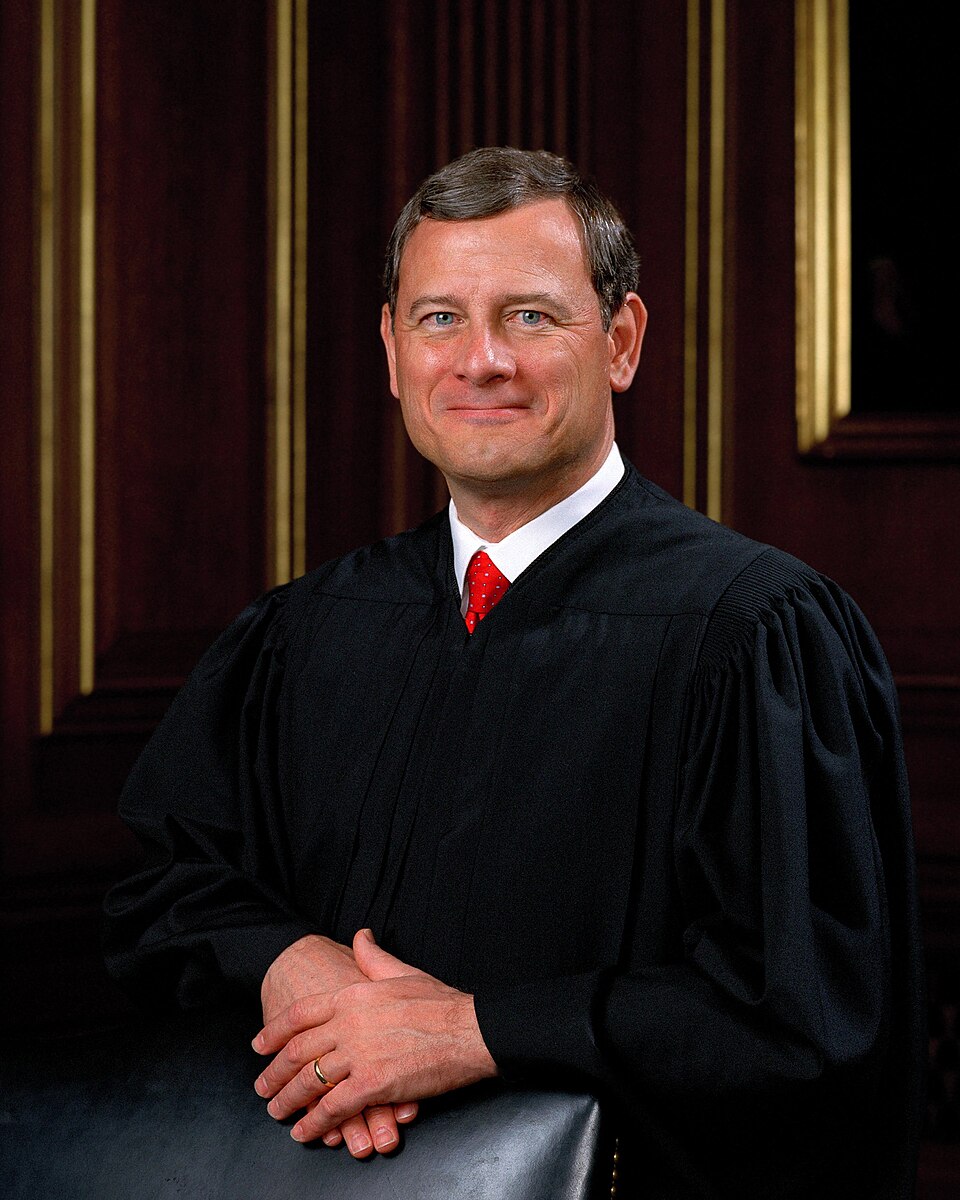
Chief Justice Roberts
Chief Justice
JR
John Roberts
Majority
NG
Neil Gorsuch
Majority
SA
Samuel Alito
Majority
Concurred
4 justices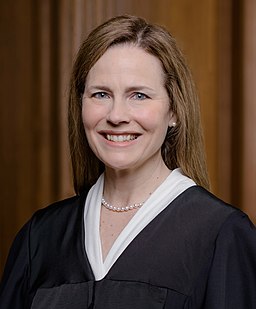
Justice Barrett
Concurred
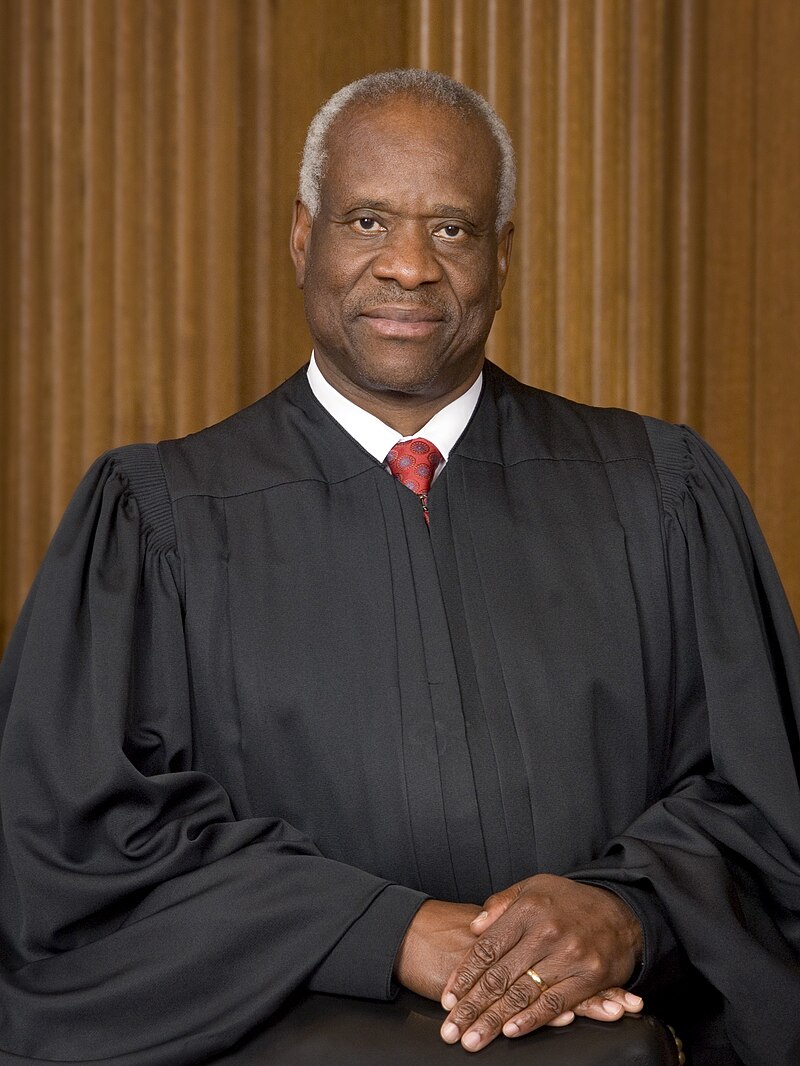
Justice Thomas
Concurred
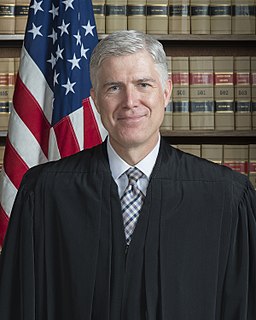
Justice Gorsuch
Concurred
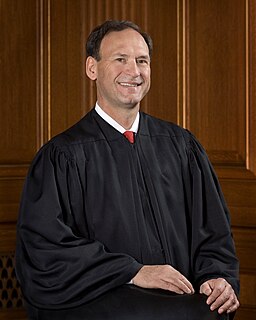
Justice Alito
Concurred
Dissented
4 justices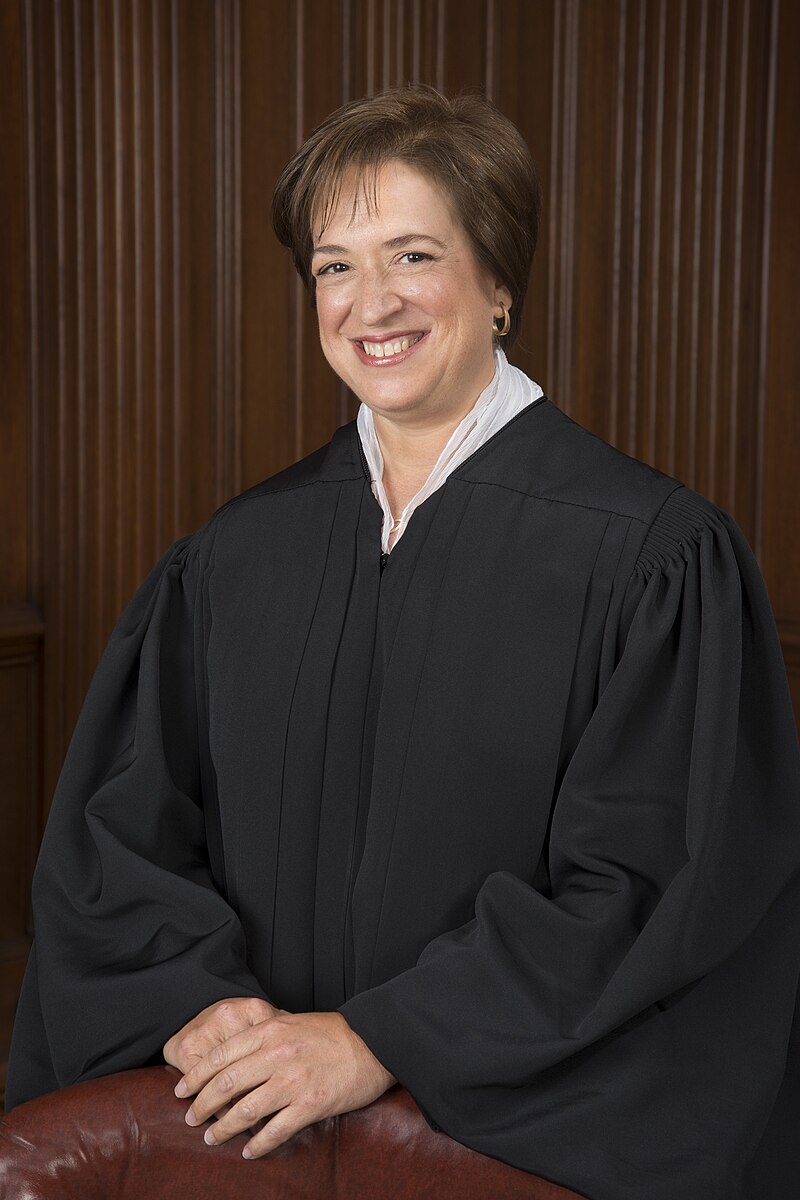
Justice Kagan
Dissent
EK
Elena Kagan
Dissent
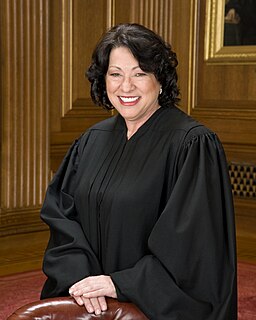
Justice Sotomayor
Dissent
SS
Sonia Sotomayor
Dissent
What this means for you
The ruling ended the admissions model many selective colleges used for decades to build racially diverse classes. It affects Black, Latino, Indigenous, Asian American, and white applicants in different ways because race can no longer be used as a direct admissions plus. Colleges moved toward essays, outreach, geography, income, first-generation status, and other race-neutral tools, but those tools do not necessarily reproduce the same racial diversity.
Key Takeaways
- The Court held that Harvard's admissions program violated Title VI.
- The decision applied Equal Protection principles to federally funded private universities through Title VI.
- The majority rejected diversity goals it viewed as too hard to measure under strict scrutiny.
- Applicants may still discuss how race affected their lives, but schools may not use that as a racial preference in disguise.
- The decision changed admissions strategy across selective higher education.
Decision
6-2 as to Harvard; Justice Jackson did not participate majority opinion
- Citation
- 600 U.S. 181 (2023)
- Vote
- 6-2 as to Harvard; Justice Jackson did not participate
- Decision type
- Majority opinion
- Argued
- October 31, 2022
- Decided
- June 29, 2023
- Term
- 2022
- Opinion author
- John Roberts
Chief Justice Roberts wrote the Court's opinion, joined by Justices Thomas, Alito, Gorsuch, Kavanaugh, and Barrett. Justice Sotomayor dissented as to Harvard, joined by Justice Kagan. Justice Jackson did not participate in the Harvard case.