585 U.S. 296 (2018) · 2018
Carpenter v. United States
privacyFourth Amendmentdigital surveillancecell phone datacriminal procedureLandmark
Summary
Carpenter held that obtaining historical cell-site location information is a Fourth Amendment search. Police generally must get a warrant before collecting this kind of location record from a wireless carrier.
Background & Context
The government used cell-site records to place Carpenter near robbery locations. Because phone users generate location data simply by carrying a phone, the case forced the Court to confront how older privacy doctrines apply to modern surveillance.
The Question Before the Court
Does the warrantless acquisition of historical cell-site location information violate the Fourth Amendment?
Petitioner
Carpenter
Party asking the Court to review or reverse
Argued
- Cell-site records expose private movements.
Respondent
United States
Party defending the judgment below
Argued
- Records held by third parties get less protection.
The Holding
The government's acquisition of historical cell-site location information from a wireless carrier is a Fourth Amendment search, and police generally need a warrant to obtain it.
The Court
How the justices lined up in this decision.
5-4
Vote
Joined decision
8 justices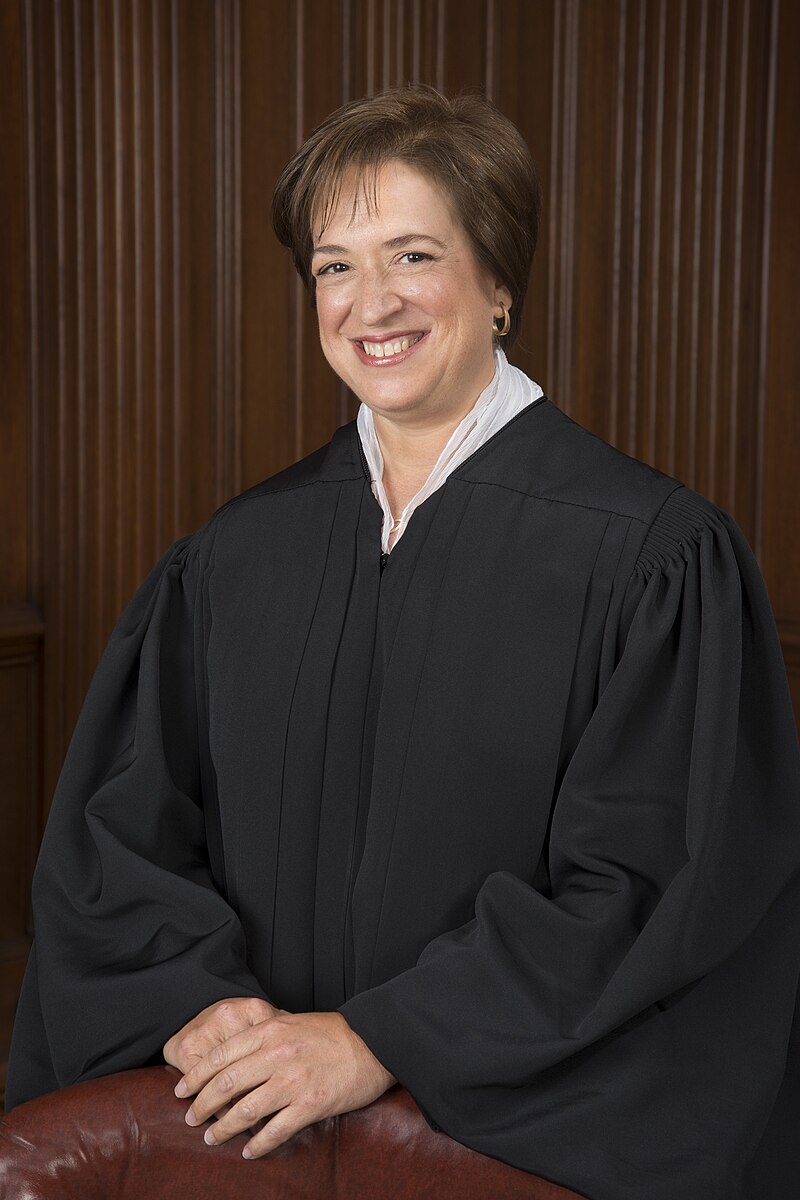
Justice Kagan
Majority
EK
Elena Kagan
Majority
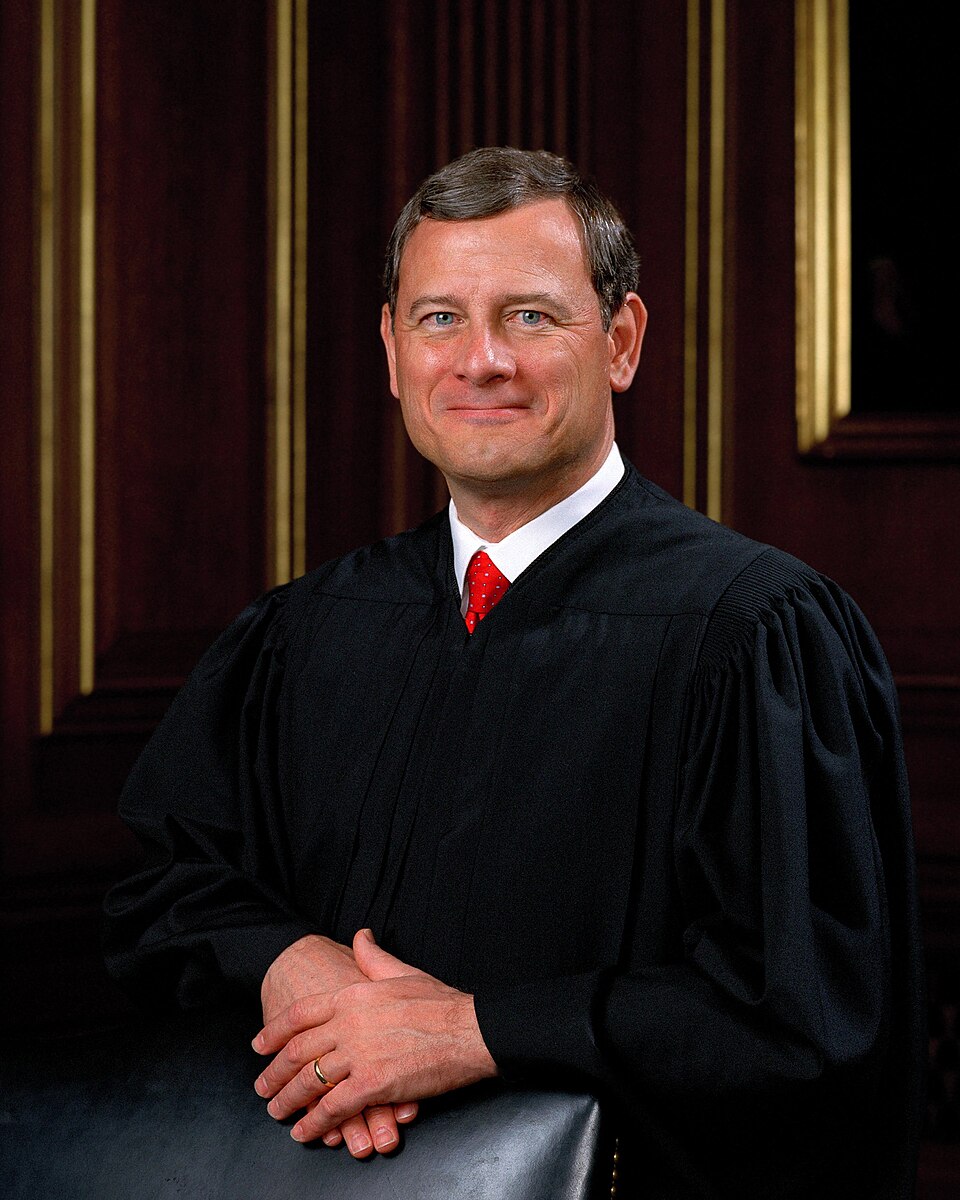
Chief Justice Roberts
Chief Justice
JR
John Roberts
Majority
RB
Ruth Ginsburg
Majority

Justice Sotomayor
Majority
SS
Sonia Sotomayor
Majority
SB
Stephen Breyer
Majority
Dissented
7 justicesAK
Anthony Kennedy
Dissent
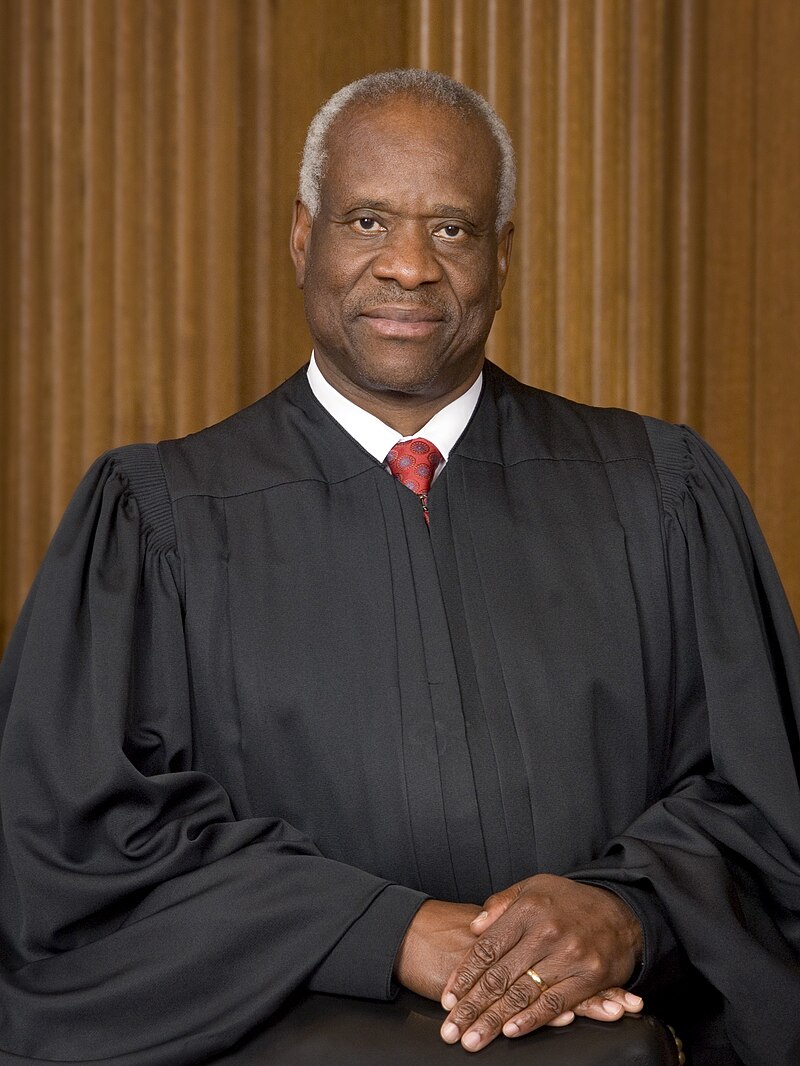
Justice Thomas
Dissent
CT
Clarence Thomas
Dissent
NG
Neil Gorsuch
Dissent
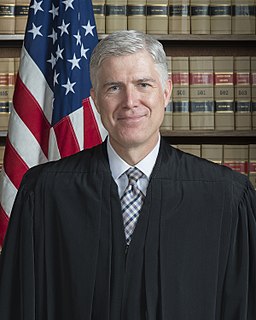
Justice Gorsuch
Dissent
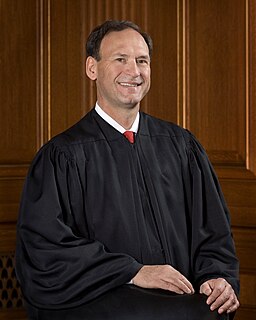
Justice Alito
Dissent
SA
Samuel Alito
Dissent
What this means for you
The ruling protects people from warrantless government access to detailed historical location data held by phone companies. It matters because cell phones track where people sleep, worship, seek medical care, protest, and spend time with others. The decision still left open questions about real-time tracking, shorter periods of data, emergencies, and other digital records.
Key Takeaways
- Historical cell-site location information can reveal a detailed record of a person's movements.
- Obtaining that data is generally a Fourth Amendment search.
- The Court limited, but did not overrule, the third-party doctrine.
- Police usually need a warrant supported by probable cause.
- The ruling strengthened digital privacy protections in the smartphone era.
Decision
5-4 majority opinion
- Citation
- 585 U.S. 296 (2018)
- Vote
- 5-4
- Decision type
- Majority opinion
- Argued
- November 29, 2017
- Decided
- June 22, 2018
- Term
- 2017
- Opinion author
- John Roberts
Chief Justice Roberts wrote the Court's opinion, joined by Justices Ginsburg, Breyer, Sotomayor, and Kagan. Justices Kennedy, Thomas, Alito, and Gorsuch each dissented.