582 U.S. 449 (2017) · 2017
Trinity Lutheran Church of Columbia, Inc. v. Comer
religious libertypublic fundingchurch and stateeducationFree Exercise ClauseLandmark
Summary
Trinity Lutheran held that Missouri violated the Free Exercise Clause when it excluded a church from a generally available playground-resurfacing grant because of religious status. The Court treated that exclusion as discrimination against religious exercise.
Background & Context
Missouri's constitution barred public money from going to churches. The state used that rule to deny Trinity Lutheran a safety-related grant available to other nonprofits.
The Question Before the Court
Does excluding a church from a generally available public benefit solely because it is religious violate the Free Exercise Clause?
Petitioner
Trinity Lutheran Church of Columbia, Inc.
Party asking the Court to review or reverse
Argued
- The exclusion penalized religious status.
Respondent
Comer
Party defending the judgment below
Argued
- The state could avoid funding churches.
The Holding
Missouri violated the Free Exercise Clause by excluding Trinity Lutheran from a generally available public benefit solely because it was a church.
The Court
How the justices lined up in this decision.
7-2
Vote
Joined decision
10 justicesAK
Anthony Kennedy
Majority
CT
Clarence Thomas
Majority
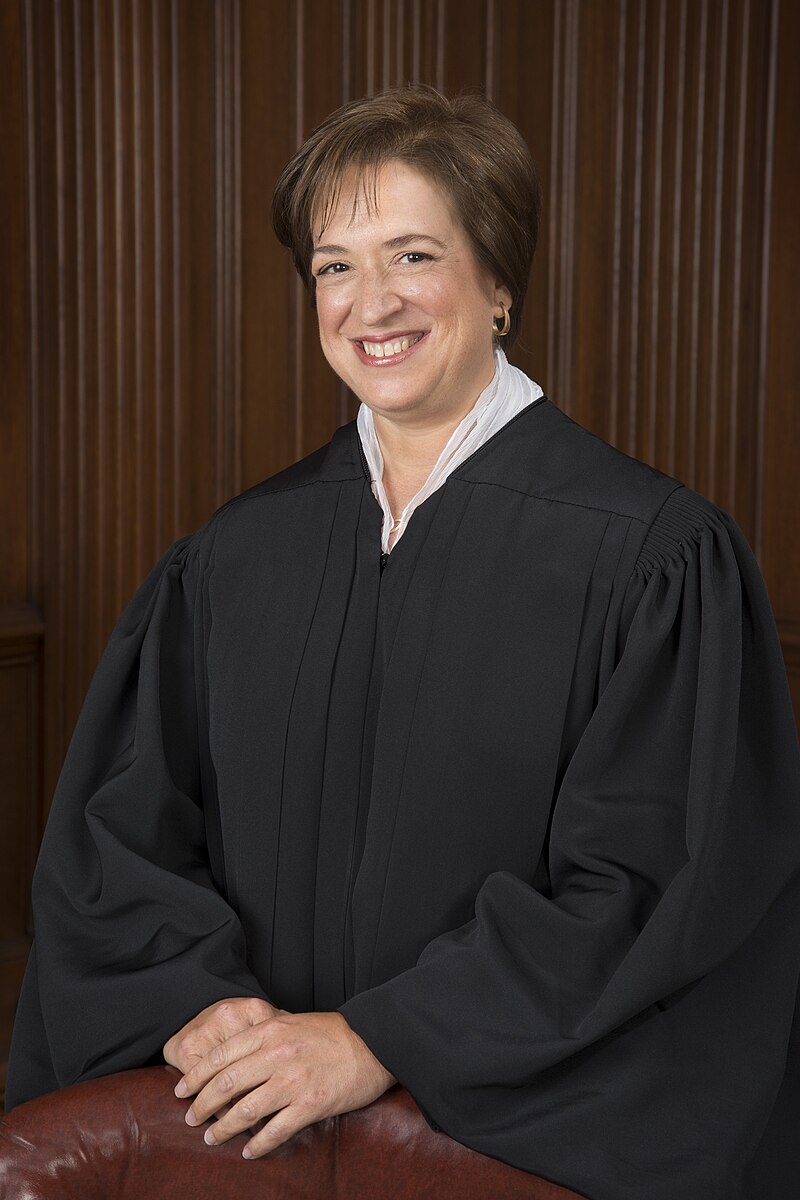
Justice Kagan
Majority
EK
Elena Kagan
Majority
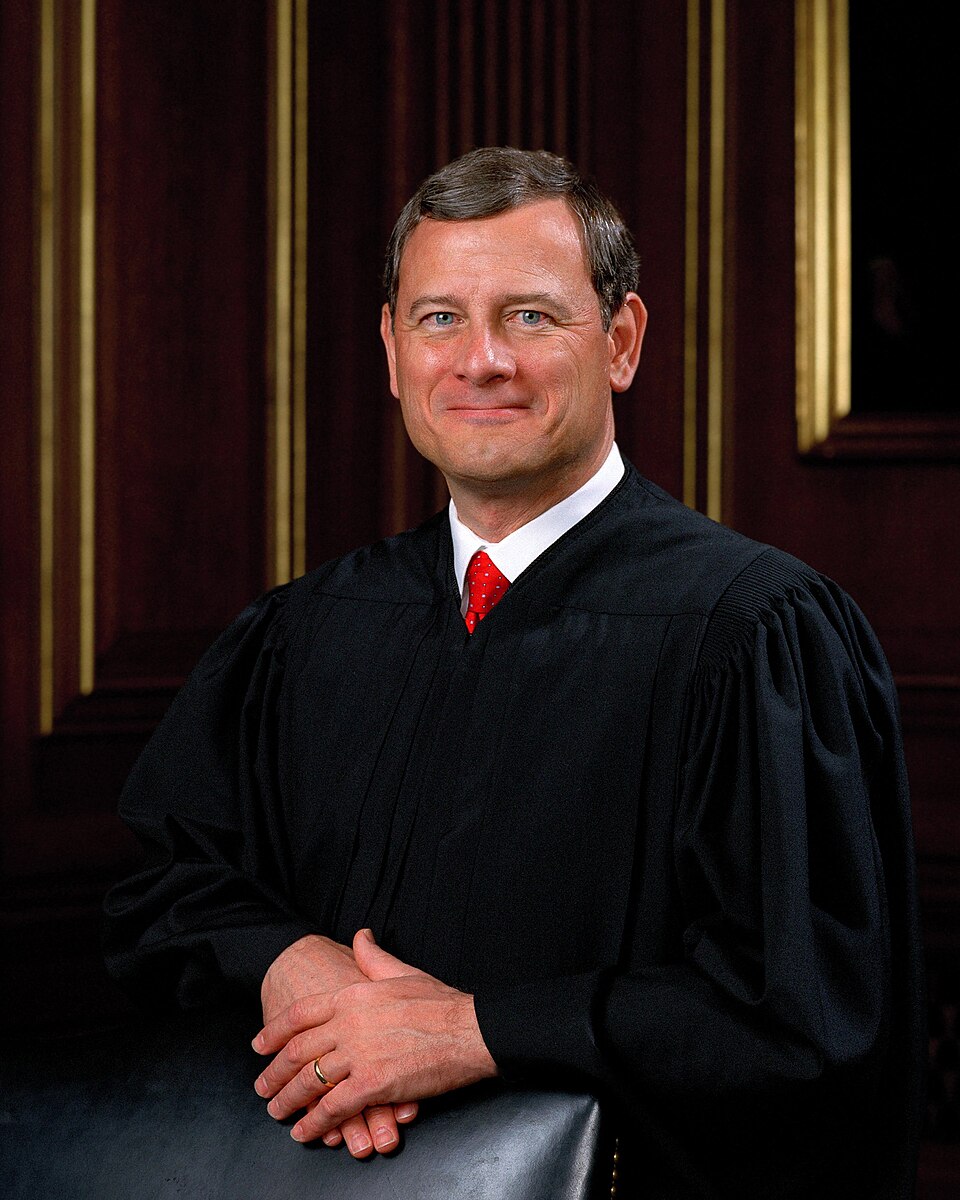
Chief Justice Roberts
Chief Justice
JR
John Roberts
Majority
NG
Neil Gorsuch
Majority
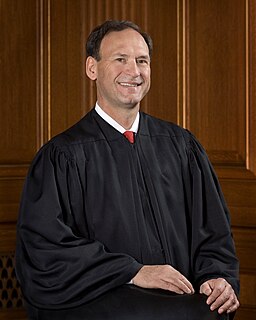
Justice Alito
Majority
SA
Samuel Alito
Majority
SB
Stephen (judgment)
Majority
Concurred
3 justices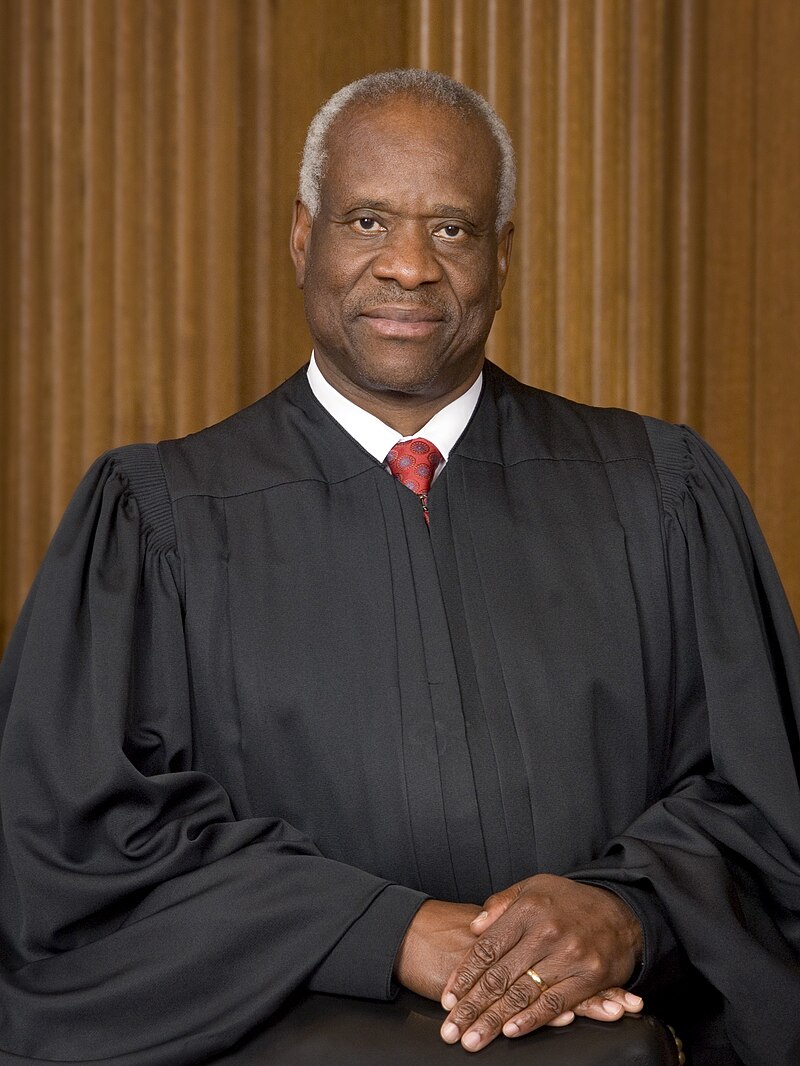
Justice Thomas
Concurred
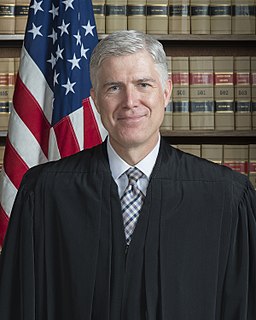
Justice Gorsuch
Concurred
SB
Stephen Breyer
Concurred
Dissented
3 justicesRB
Ruth Ginsburg
Dissent
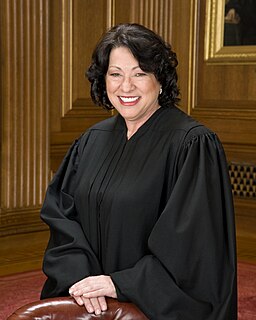
Justice Sotomayor
Dissent
SS
Sonia Sotomayor
Dissent
What this means for you
The case moved the Court toward requiring equal access for religious institutions in some public benefit programs. It helped build the path for later religious-school funding cases. The ruling did not require states to fund religious worship itself, but it made religious status exclusions constitutionally suspect.
Key Takeaways
- States may not exclude an otherwise eligible church from a neutral public benefit solely because it is religious.
- The case focused on religious status, not direct funding of worship.
- The grant involved playground safety surfaces made from recycled tires.
- The ruling strengthened free-exercise claims in public funding disputes.
- The dissent warned that the ruling weakened church-state separation.
Decision
7-2 majority opinion
- Citation
- 582 U.S. 449 (2017)
- Vote
- 7-2
- Decision type
- Majority opinion
- Argued
- April 19, 2017
- Decided
- June 26, 2017
- Term
- 2016
- Opinion author
- John Roberts
Chief Justice Roberts wrote the Court's opinion. Justices Kennedy, Alito, and Kagan joined in full; Justices Thomas and Gorsuch joined in part and concurred. Justice Breyer concurred in the judgment. Justice Sotomayor dissented, joined by Justice Ginsburg.