602 U.S. 680 (2024) · 2024
United States v. Rahimi
Second Amendmentdomestic violencefirearms regulationpublic safetyrestraining ordersLandmark
Summary
Rahimi upheld 18 U.S.C. § 922(g)(8), which bars firearm possession by people subject to certain domestic-violence restraining orders. The Court held that temporarily disarming a person found by a court to pose a credible threat is consistent with the historical tradition of firearm regulation.
Background & Context
The case followed Bruen, which required gun regulations to be consistent with the Nation's historical tradition of firearm regulation. Lower courts struggled with how exact that history must be. Rahimi involved a law aimed at people found by a court to threaten intimate partners.
The Question Before the Court
Does 18 U.S.C. § 922(g)(8), which temporarily bars firearm possession by people subject to qualifying domestic-violence restraining orders, violate the Second Amendment?
Petitioner
United States
Party asking the Court to review or reverse
Argued
- A long historical tradition of disarming people who pose a physical threat to others supports this law.
- The historical test doesn't require Congress to find an identical 18th-century law — just a similar one.
- Domestic violence protective orders are issued by neutral courts after a legal finding that the subject poses a credible threat.
- Protecting people from gun violence by known abusers serves a compelling government interest with a long constitutional pedigree.
Respondent
Rahimi
Party defending the judgment below
Argued
- The Bruen test requires a historical analog, and no Founding-era law specifically disarmed people subject to civil protective orders.
- The Fifth Circuit correctly found the 1994 law unconstitutional under the new Bruen framework.
- The government is trying to bootstrap general historical principles into specific constitutional authority without the required evidence.
- Only a criminal conviction — not a civil court order — historically justified permanent or significant disarmament.
The Holding
When a court finds that a person poses a credible threat to the physical safety of an intimate partner, temporarily disarming that person under 18 U.S.C. § 922(g)(8) is consistent with the Second Amendment.
The Court
How the justices lined up in this decision.
2-7
Vote
Joined decision
10 justicesAC
Amy Barrett
Majority
BK
Brett Kavanaugh
Majority
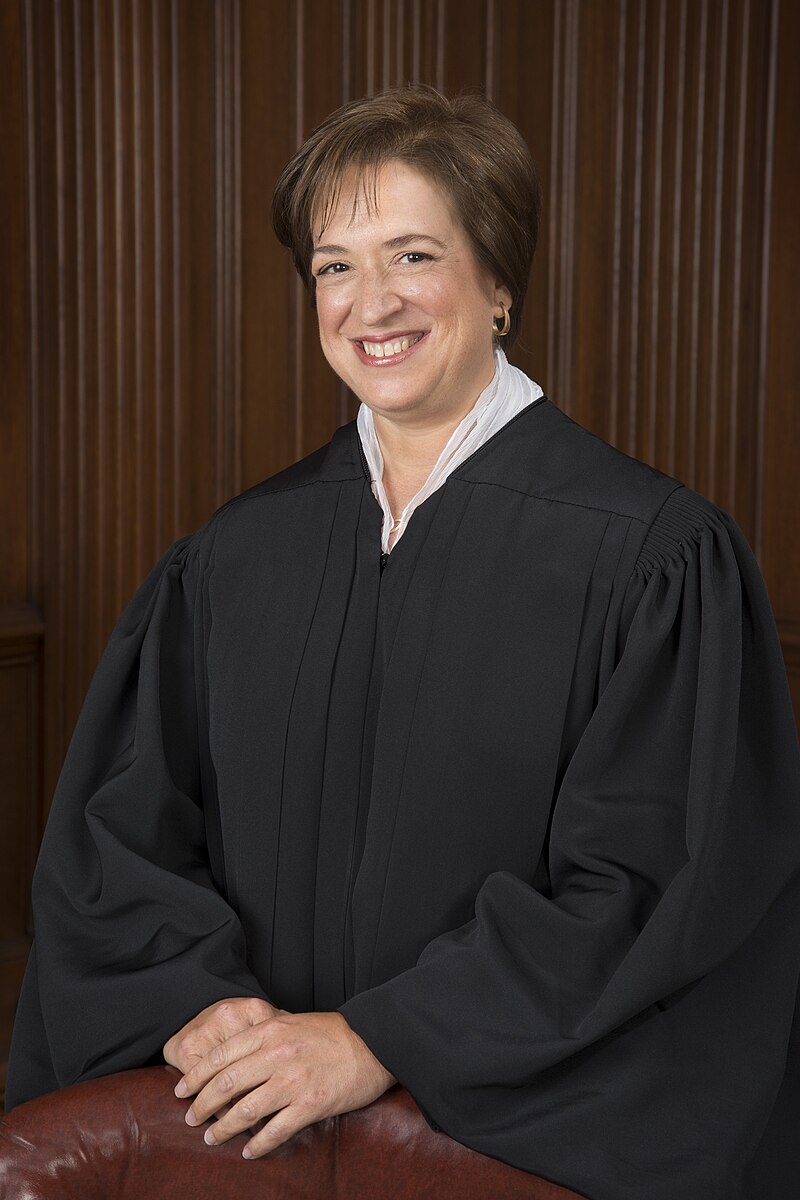
Justice Kagan
Majority
EK
Elena Kagan
Majority
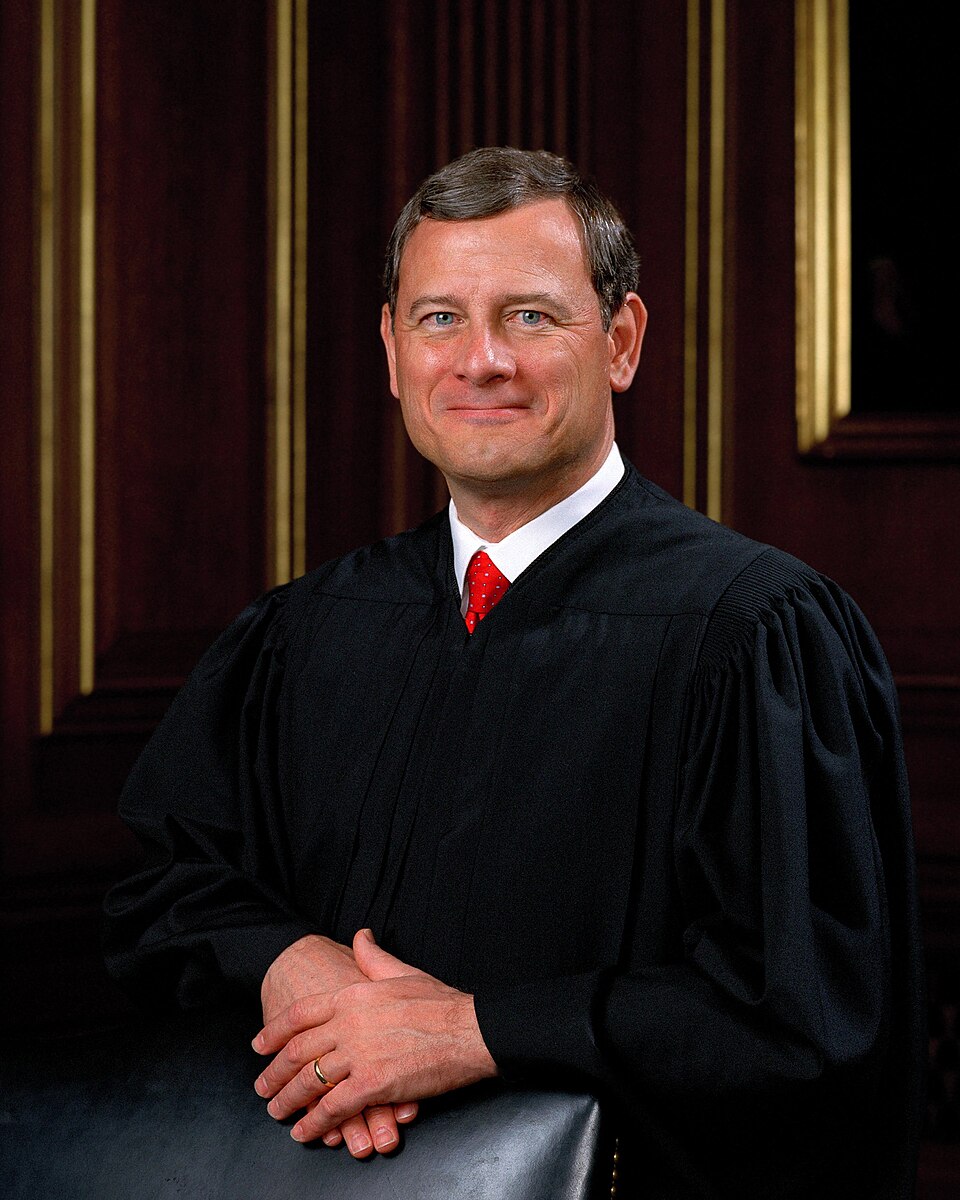
Chief Justice Roberts
Chief Justice
JR
John Roberts
Majority
KB
Ketanji Jackson
Majority
NG
Neil Gorsuch
Majority
SA
Samuel Alito
Majority
SS
Sonia Sotomayor
Majority
Concurred
6 justices
Justice Barrett
Concurred
Justice Kavanaugh
Concurred

Justice Jackson
Concurred
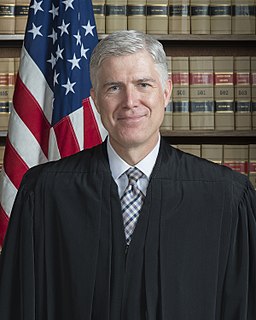
Justice Gorsuch
Concurred
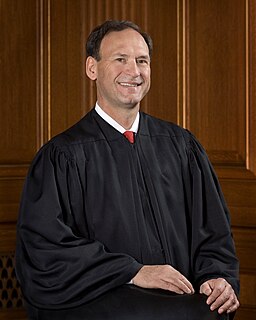
Justice Alito
Concurred
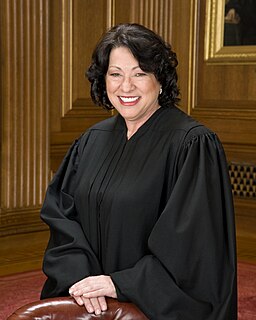
Justice Sotomayor
Concurred
Dissented
2 justices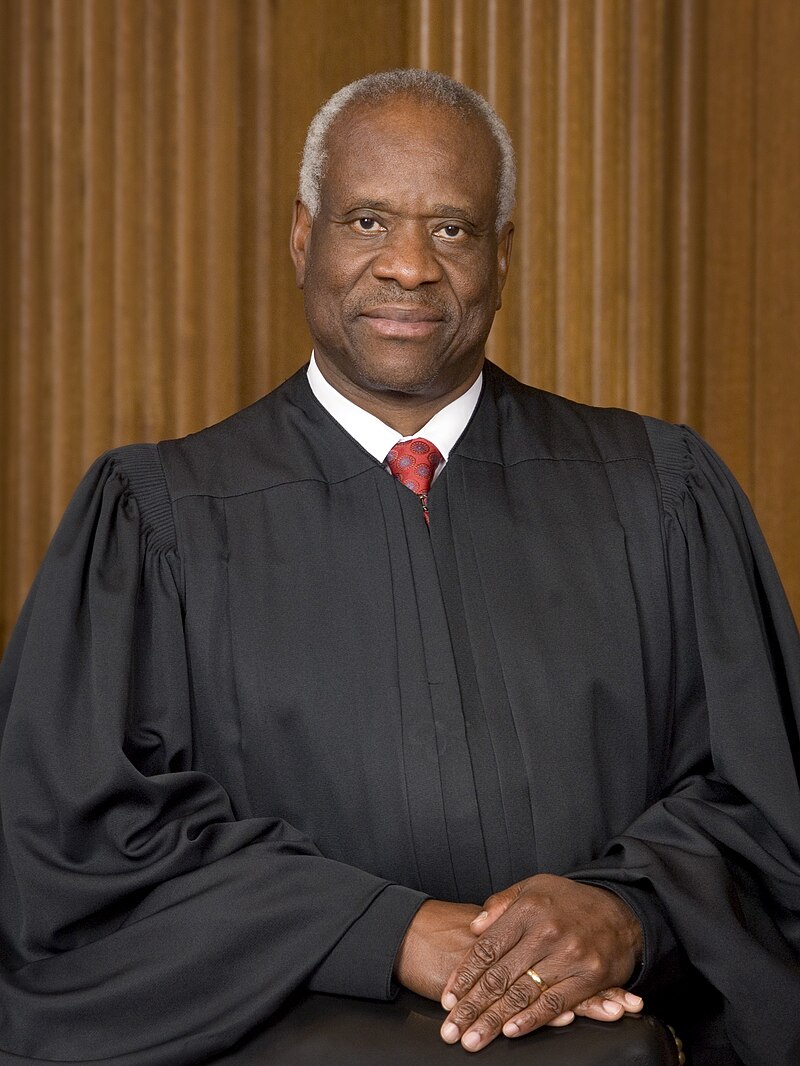
Justice Thomas
Dissent
CT
Clarence Thomas
Dissent
What this means for you
The ruling preserves a major firearm restriction used to protect domestic-violence survivors. It also signals that Bruen does not require a historical twin for every modern gun law. Courts may reason by analogy from historical practices, especially when the modern law temporarily disarms people found by a court to be dangerous.
Key Takeaways
- The Court upheld the domestic-violence restraining-order firearm ban.
- The decision limited overly rigid readings of Bruen.
- The Court allowed historical analogy, not only exact historical matches.
- The ruling protects a key tool for domestic-violence survivors.
- Justice Thomas dissented alone.
Decision
2-7 majority opinion
- Citation
- 602 U.S. 680 (2024)
- Vote
- 2-7
- Decision type
- Majority opinion
- Argued
- November 7, 2023
- Decided
- June 21, 2024
- Term
- 2023
- Opinion author
- John Roberts
Chief Justice Roberts wrote the Court's opinion. Justice Thomas dissented. Several Justices wrote concurrences.