570 U.S. 744 (2013) · 2013
United States v. Windsor
LGBTQ rightsmarriage equalityfederal benefitsequal protectioncivil rightsLandmark
Summary
United States v. Windsor invalidated Section 3 of DOMA, which denied federal recognition to same-sex marriages valid under state law. The decision required the federal government to recognize lawful same-sex marriages but did not yet require all states to license them.
Background & Context
Canonical active row after archiving duplicate long-party row. Windsor should be framed as federal recognition of state-law marriages, not the final nationwide marriage-equality decision; Obergefell later supplied that rule.
The Question Before the Court
Does Section 3 of DOMA violate the Fifth Amendment by refusing federal recognition to same-sex marriages that are lawful under state law?
Petitioner
United States
Party asking the Court to review or reverse
Argued
- DOMA denied equal dignity and federal benefits.
- The federal government could not create a second-class marriage status.
Respondent
Edith Windsor, executor of the estate of Thea Clara Spyer, et al.
Party defending the judgment below
Argued
- Congress could define marriage for federal programs.
- States remained free to define marriage for themselves.
The Holding
Section 3 of the Defense of Marriage Act violates the Fifth Amendment because it denies equal liberty to same-sex couples whose marriages are lawful under state law.
The Court
How the justices lined up in this decision.
2-3
Vote
Joined decision
7 justicesAK
Anthony Kennedy
Majority
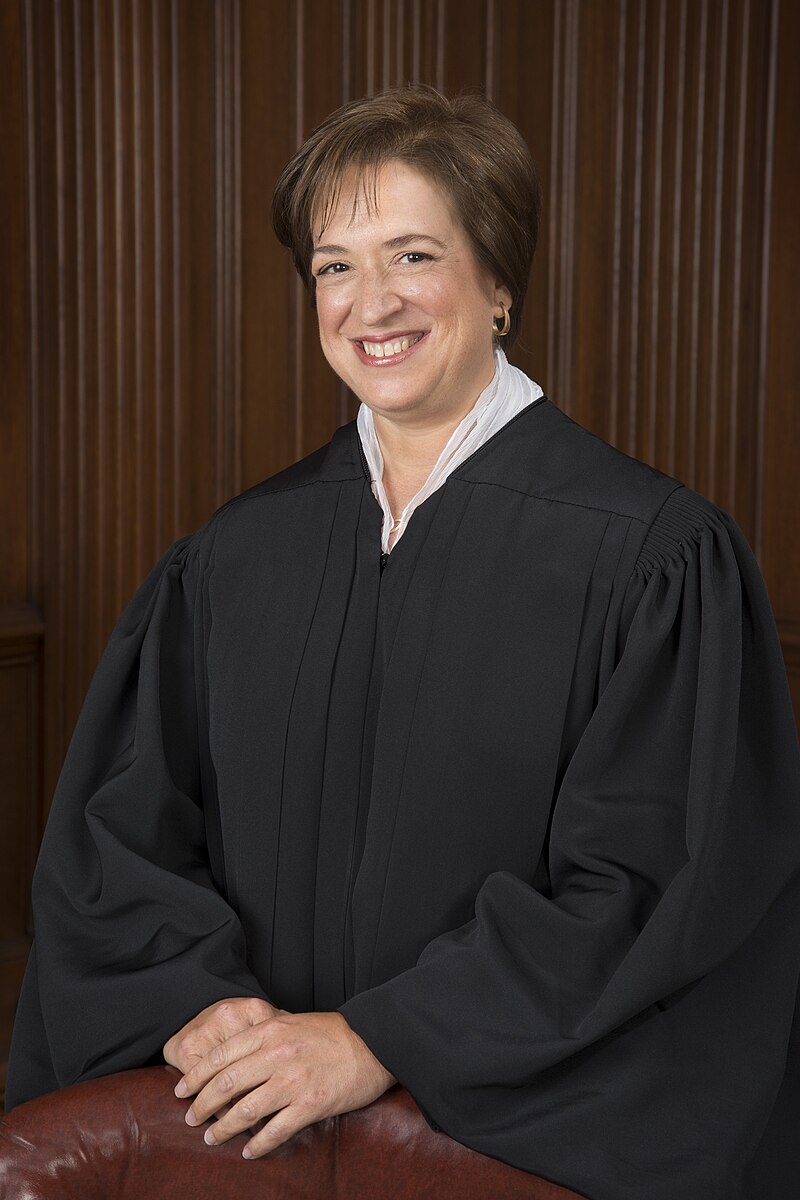
Justice Kagan
Majority
EK
Elena Kagan
Majority
RB
Ruth Ginsburg
Majority
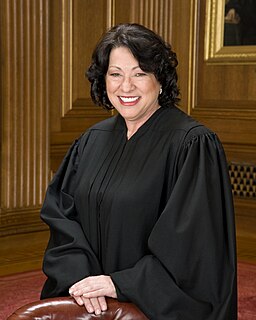
Justice Sotomayor
Majority
SS
Sonia Sotomayor
Majority
SB
Stephen Breyer
Majority
Dissented
7 justicesAS
Antonin Scalia
Dissent
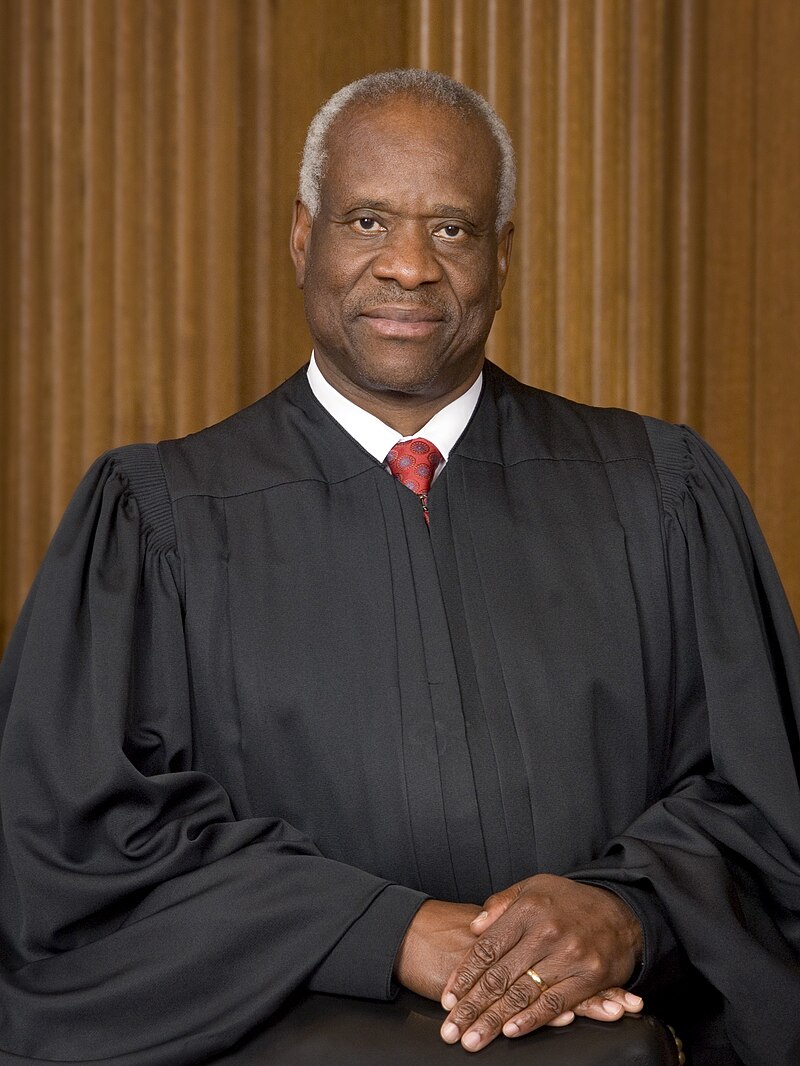
Justice Thomas
Dissent
CT
Clarence Thomas
Dissent
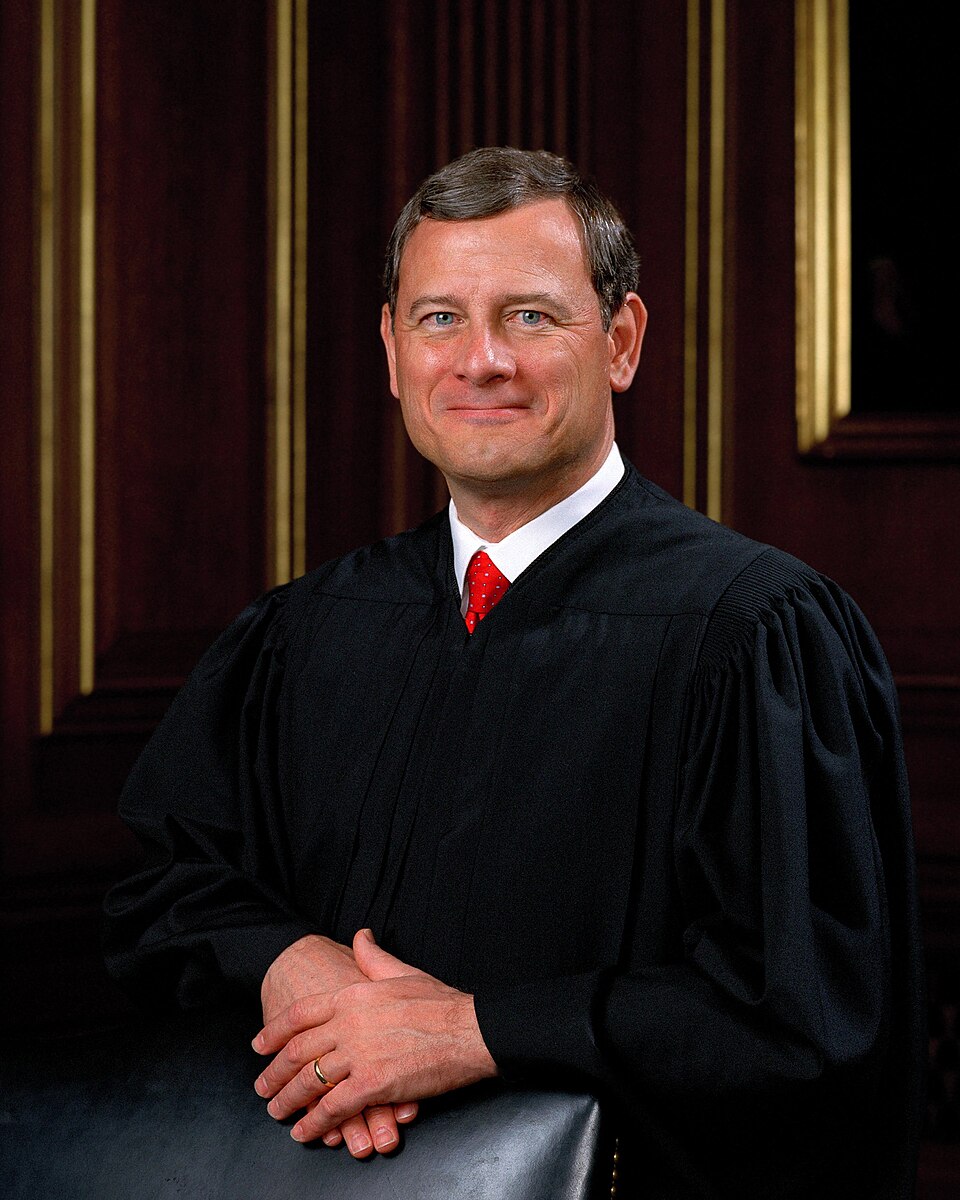
Chief Justice Roberts
Chief Justice
JR
John Roberts
Dissent
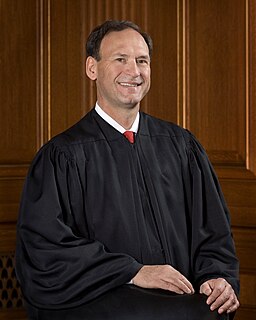
Justice Alito
Dissent
SA
Samuel Alito
Dissent
What this means for you
The decision changed federal treatment of lawfully married same-sex couples across taxes, immigration, Social Security, veterans benefits, health care, and other federal programs. It also weakened the legal foundation for state marriage bans and became a bridge between earlier LGBTQ-rights cases and Obergefell. Families who were married under state law could no longer be treated as unmarried by the federal government.
Key Takeaways
- The Court struck down DOMA Section 3.
- The federal government had to recognize same-sex marriages valid under state law.
- The decision rested on Fifth Amendment liberty and equality principles.
- The ruling did not yet require every state to allow same-sex marriage.
- Windsor helped set the path to Obergefell two years later.
Decision
2-3 majority opinion
- Citation
- 570 U.S. 744 (2013)
- Vote
- 2-3
- Decision type
- Majority opinion
- Argued
- March 27, 2013
- Decided
- June 26, 2013
- Term
- 2012
- Opinion author
- Anthony Kennedy
Justice Kennedy wrote the Court’s opinion, joined by Justices Ginsburg, Breyer, Sotomayor, and Kagan. Chief Justice Roberts dissented. Justice Scalia dissented, joined by Justice Thomas and in part by Chief Justice Roberts. Justice Alito dissented, joined in part by Justice Thomas.