597 U.S. 697 (2022) · 2022
West Virginia v. Environmental Protection Agency
climate changeenvironmental lawEPAmajor questions doctrineadministrative powerLandmark
Summary
West Virginia v. EPA held that EPA lacked clear congressional authorization to use Section 111(d) of the Clean Air Act for the Clean Power Plan's generation-shifting approach. The Court used the major questions doctrine to require clear authorization for agency actions with major economic and political significance. The ruling limited EPA's climate-regulatory authority and became a key precedent for challenges to agency power.
Background & Context
The Clean Power Plan was an Obama-era EPA rule aimed at reducing carbon dioxide emissions from existing power plants. It relied on generation shifting as the best system of emission reduction. The rule was stayed and later replaced, but the Court still decided the case because EPA could otherwise use similar authority again.
The Question Before the Court
Did EPA have authority under Section 111(d) of the Clean Air Act to adopt the Clean Power Plan's generation-shifting approach for power-plant greenhouse-gas emissions?
Petitioner
West Virginia
Party asking the Court to review or reverse
Argued
- EPA claimed sweeping power without clear authorization.
- Section 111(d) is a narrow technical provision.
Respondent
Environmental Protection Agency
Party defending the judgment below
Argued
- The Clean Air Act gives EPA flexible authority to identify the best system of emission reduction.
- Climate pollution from power plants is a core air-pollution problem.
The Holding
Congress did not clearly authorize EPA under Section 111(d) of the Clean Air Act to force generation shifting from higher-emitting to lower-emitting sources across the electricity grid. EPA's Clean Power Plan exceeded the agency's authority under the major questions doctrine.
The Court
How the justices lined up in this decision.
6-3
Vote
Joined decision
9 justices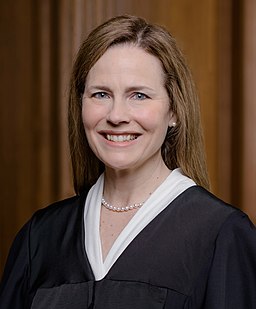
Justice Barrett
Majority
AC
Amy Barrett
Majority
BK
Brett Kavanaugh
Majority
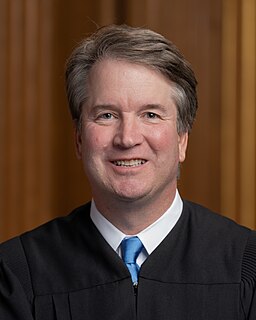
Justice Kavanaugh
Majority
CT
Clarence Thomas
Majority
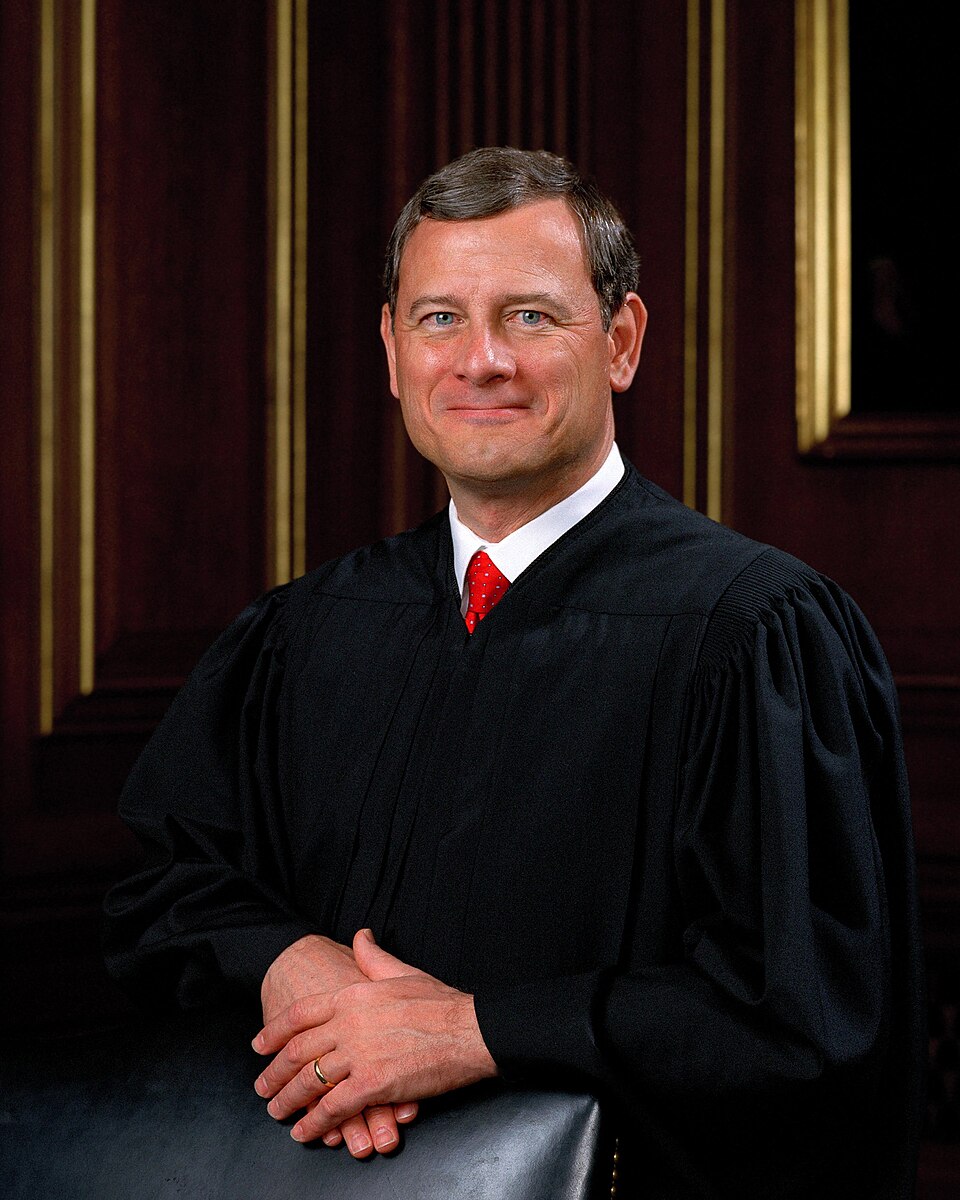
Chief Justice Roberts
Chief Justice
JR
John Roberts
Majority
NG
Neil Gorsuch
Majority
SA
Samuel Alito
Majority
Concurred
3 justices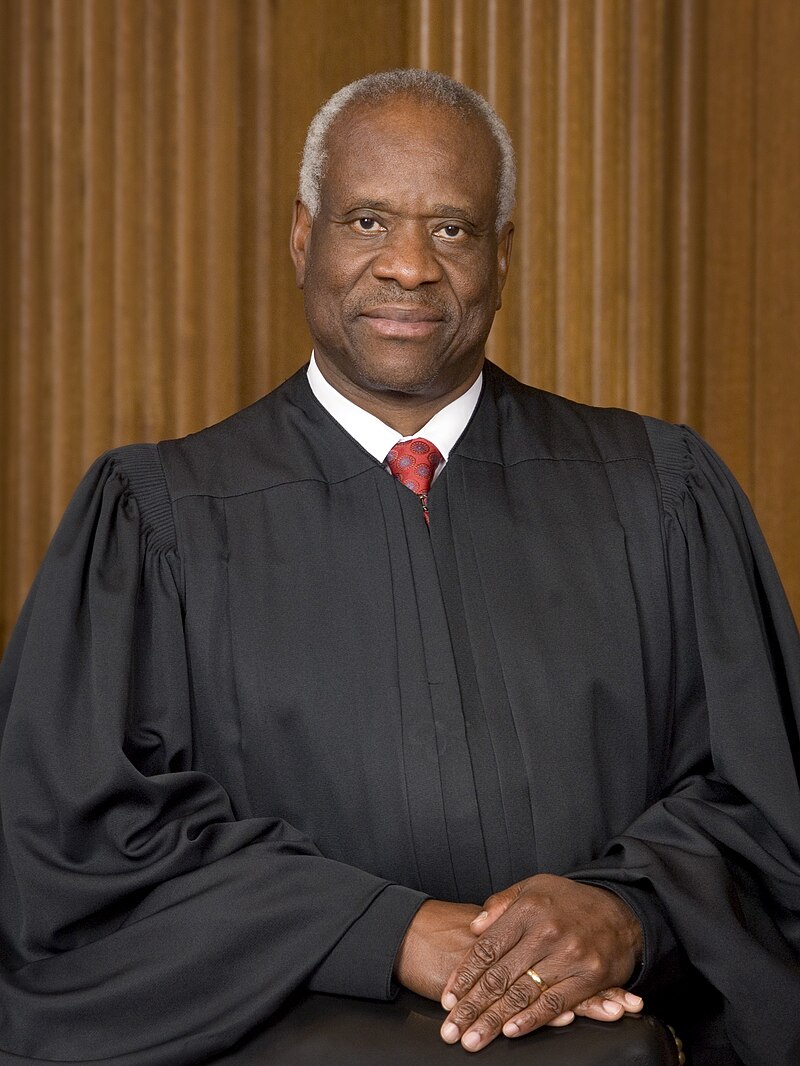
Justice Thomas
Concurred
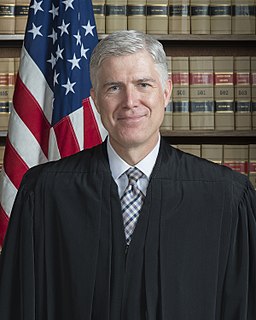
Justice Gorsuch
Concurred
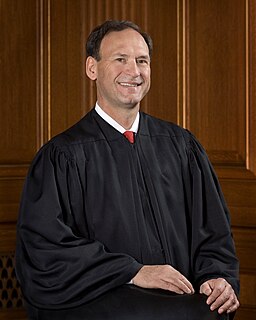
Justice Alito
Concurred
Dissented
5 justices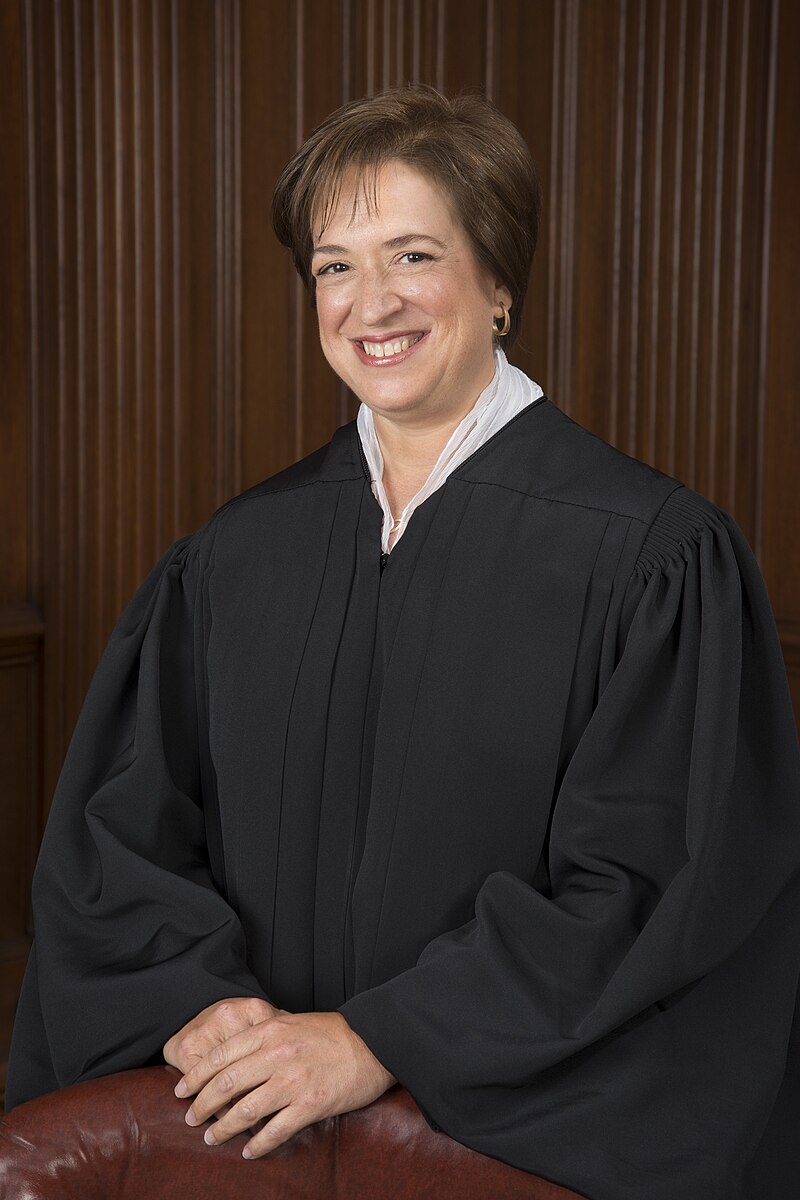
Justice Kagan
Dissent
EK
Elena Kagan
Dissent
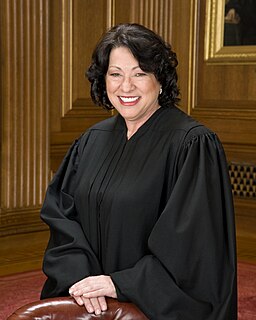
Justice Sotomayor
Dissent
SS
Sonia Sotomayor
Dissent
SB
Stephen Breyer
Dissent
What this means for you
The decision narrowed one of EPA's most ambitious paths for regulating climate pollution from power plants. It made future climate rules more legally vulnerable when agencies use older statutes to address major new problems. The people most affected include communities facing climate harms, communities near fossil-fuel plants, workers tied to the energy transition, utilities, states, and ratepayers.
Key Takeaways
- The Court applied the major questions doctrine.
- EPA could not use Section 111(d) to impose systemwide generation shifting without clear congressional authorization.
- The ruling limited one major approach to power-plant climate regulation.
- The decision did not hold that EPA has no authority to regulate greenhouse-gas emissions at all.
- The dissent warned that the Court was blocking expert agency action on climate change.
Decision
6-3 majority opinion
- Citation
- 597 U.S. 697 (2022)
- Vote
- 6-3
- Decision type
- Majority opinion
- Argued
- February 28, 2022
- Decided
- June 30, 2022
- Term
- 2021
- Opinion author
- John Roberts
Chief Justice Roberts wrote the Court's opinion, joined by Justices Thomas, Alito, Gorsuch, Kavanaugh, and Barrett. Justice Gorsuch concurred, joined by Justice Alito. Justice Kagan dissented, joined by Justices Breyer and Sotomayor.