579 U.S. 582 (2016) · 2016
Whole Woman's Health v. Hellerstedt
abortion rightsreproductive healthclinic accesssubstantive due processhealth regulationLandmark
Summary
Whole Woman's Health v. Hellerstedt held that Texas's admitting-privileges and surgical-center requirements imposed an undue burden on abortion access. The Court looked at evidence and concluded the rules created major access barriers without enough medical benefit. The decision was a major pre-Dobbs abortion-access ruling, later displaced when Dobbs overruled Roe and Casey.
Background & Context
Texas defended H.B. 2 as a patient-safety law. Abortion providers argued the law was part of a broader wave of targeted regulation of abortion providers, often called TRAP laws, that used medical-sounding rules to close clinics and reduce access.
The Question Before the Court
Did Texas's admitting-privileges and surgical-center requirements impose an undue burden on the constitutional right to seek a previability abortion?
Petitioner
Whole Woman's Health
Party asking the Court to review or reverse
Argued
- The restrictions created severe access burdens.
- The medical benefits were unsupported.
Respondent
Hellerstedt
Party defending the judgment below
Argued
- The rules protected patient safety.
- Courts should defer to legislatures on medical uncertainty.
The Holding
Texas's admitting-privileges and surgical-center requirements placed a substantial obstacle in the path of people seeking previability abortions and imposed an undue burden under Planned Parenthood v. Casey.
The Court
How the justices lined up in this decision.
2-3
Vote
Joined decision
7 justicesAK
Anthony Kennedy
Majority
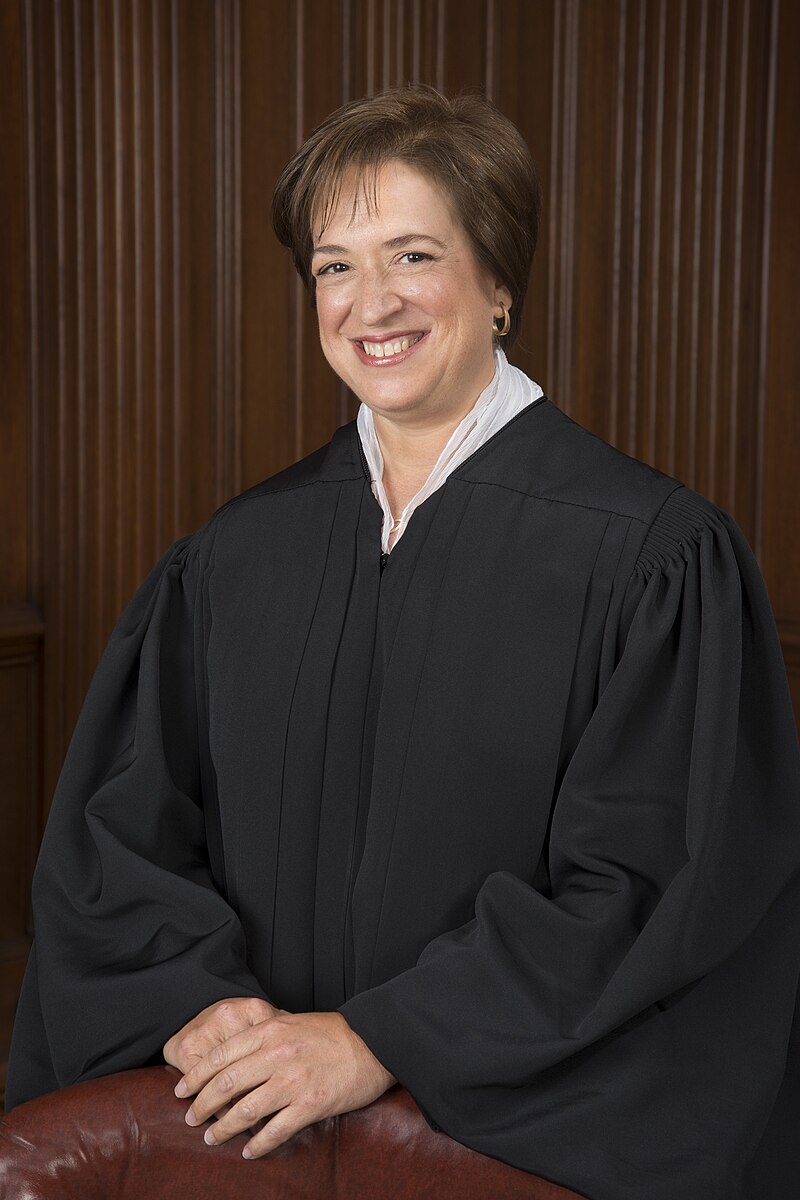
Justice Kagan
Majority
EK
Elena Kagan
Majority
RB
Ruth Ginsburg
Majority
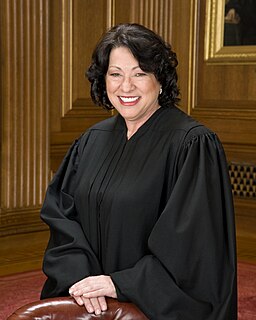
Justice Sotomayor
Majority
SS
Sonia Sotomayor
Majority
SB
Stephen Breyer
Majority
Dissented
6 justices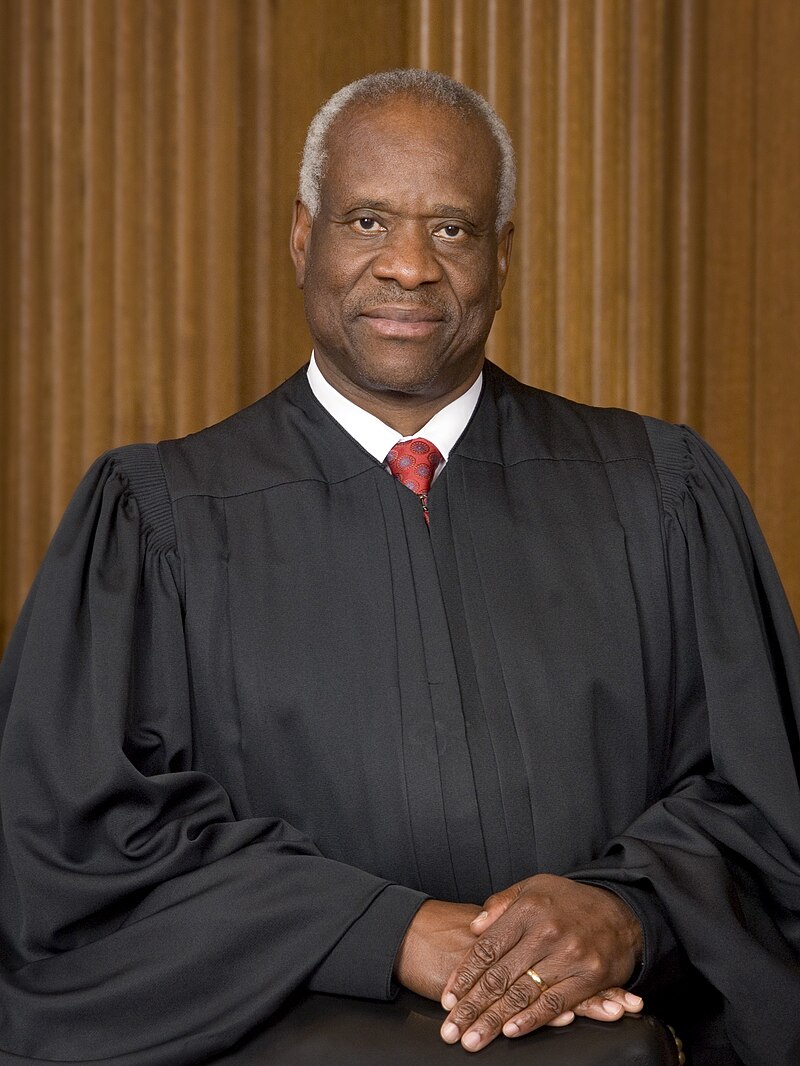
Justice Thomas
Dissent
CT
Clarence Thomas
Dissent
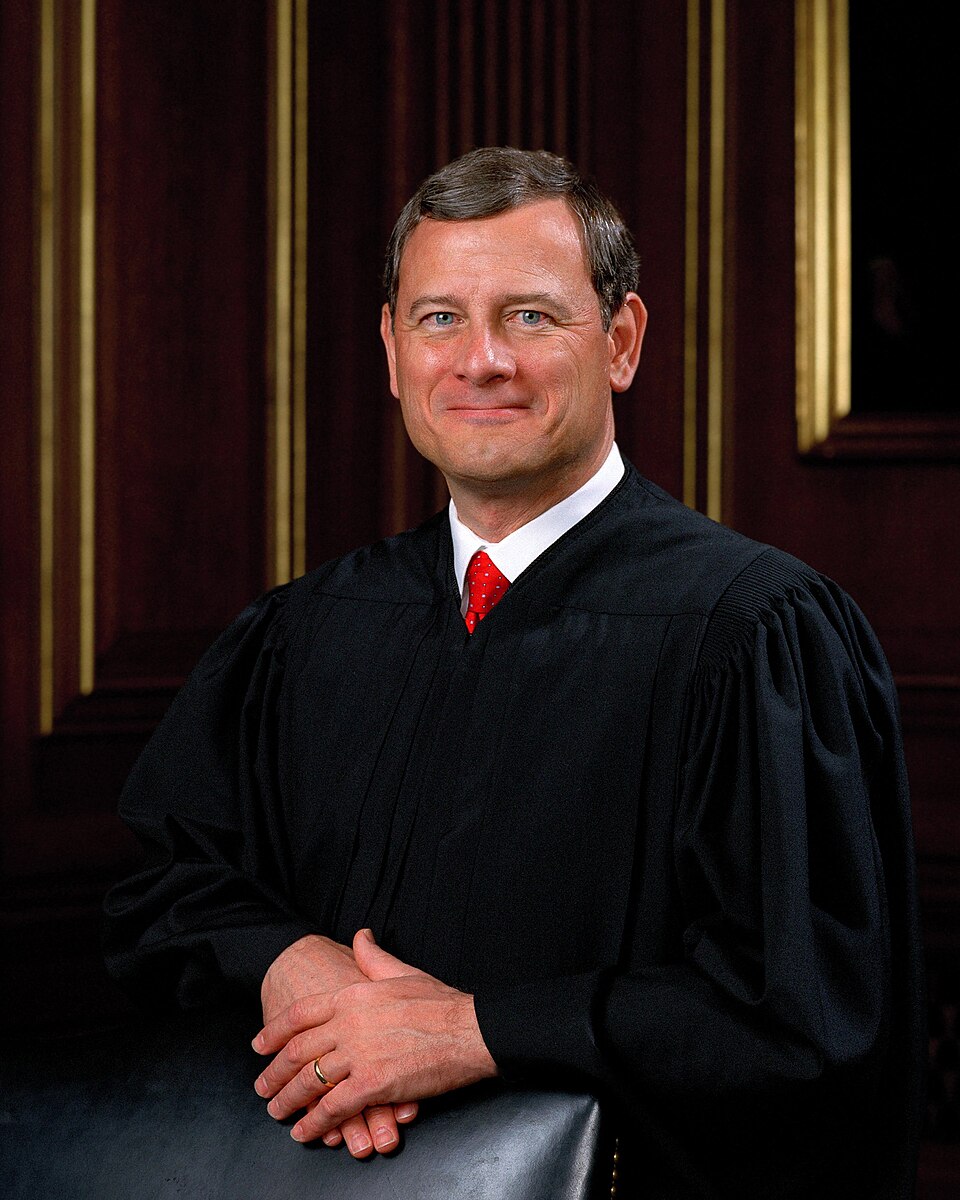
Chief Justice Roberts
Chief Justice
JR
John Roberts
Dissent
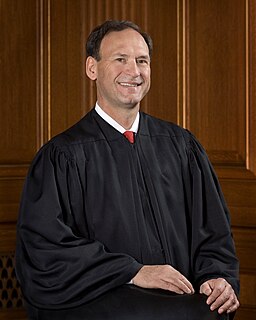
Justice Alito
Dissent
SA
Samuel Alito
Dissent
What this means for you
The decision protected abortion access in Texas and signaled that states could not defend clinic shutdown laws with unsupported claims of patient safety. It mattered most for people with low incomes, rural patients, young people, and people without the money or time to travel long distances for care. Dobbs later overruled Roe and Casey, so Whole Woman's Health no longer controls federal constitutional abortion-rights doctrine, but it remains important history for understanding how courts evaluated abortion restrictions before Dobbs.
Key Takeaways
- The Court struck down Texas admitting-privileges and surgical-center requirements for abortion providers.
- The majority required courts to weigh asserted health benefits against burdens on abortion access.
- The Court found the laws provided little medical benefit while forcing clinics to close.
- The ruling protected access before Dobbs, especially for patients facing travel, cost, and clinic-availability barriers.
- Dobbs later overruled the constitutional framework that made this decision controlling federal law.
Decision
2-3 majority opinion
- Citation
- 579 U.S. 582 (2016)
- Vote
- 2-3
- Decision type
- Majority opinion
- Argued
- March 2, 2016
- Decided
- June 27, 2016
- Term
- 2015
- Opinion author
- Stephen Breyer
Justice Breyer wrote the Court's opinion, joined by Justices Kennedy, Ginsburg, Sotomayor, and Kagan. Justice Ginsburg concurred. Justice Thomas dissented. Justice Alito dissented, joined by Chief Justice Roberts and Justice Thomas. Justice Scalia died before the decision and did not participate.