Public Policy · Civil Rights·May 15, 2025
HUD proposes $26 billion cut to rental assistance and two-year time limits
Trump budget slashes Section 8 funding by 43% while HUD halts fair housing enforcement
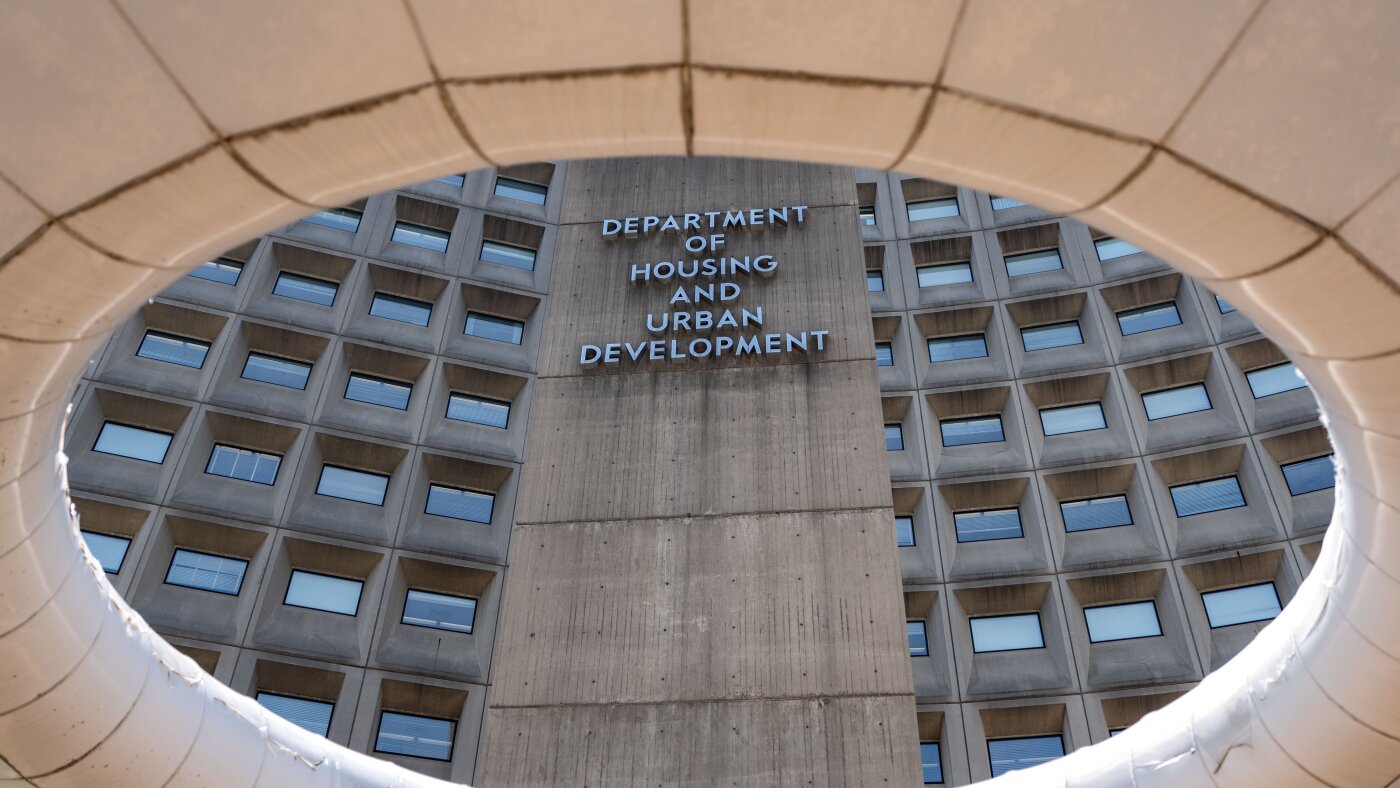
HUD Secretary Scott Turner released the FY2026 budget proposal on May 30, 2025, slashing funding for rental assistance programs by $26.72 billion, an unprecedented 43% cut from the previous year.
The proposal would combine Section 8 Housing Choice Vouchers, Public Housing, Project-Based Rental Assistance, Section 202 Housing for the Elderly, and Section 811 Housing for Persons with Disabilities into one State Rental Assistance Block Grant funded at $31.79 billion.
The administration proposed two-year time limits on rental assistance that would place more than 3 million people at risk of eviction and homelessness, half of them children. The Center on Budget and Policy Priorities found 2 million people in working households would be cut off.
Only one in four households eligible for federal housing assistance actually receives it due to Congress's failure to adequately fund affordable housing programs. About 770,000 people experience homelessness on any given night in the U.S.
A January 2025 federal funding freeze halted disbursements for all major HUD programs: Section 8 Housing Choice Vouchers, Homeless Assistance Grants, Public Housing funds, HOME Investment Partnerships, and Community Development Block Grants.
Executive Order 14218, 'Ending Taxpayer Subsidization of Open Borders,' issued February 19, 2025, directed HUD to restrict housing assistance for noncitizens. Section 214 of the Housing and Community Development Act already prohibits HUD assistance for undocumented immigrants.
The House Appropriations Committee approved $35.3 billion for tenant-based rental assistance and $17.1 billion for project-based rental assistance on July 17, 2025. Committee chairs expressed deep concern over the proposed cuts, suggesting Congress may preserve the current program structure.
Related Topics
3
Trump budget cuts HUD rental assistance 44%, shifts to states
5 million Section 8 recipients face state-designed replacements
HUD proposes evicting mixed-status families from subsidized housing
Federal housing agency targets 37,000 U.S. citizen children with eviction of mixed-status families
HUD proposes capping rental vouchers at two years for 2.3M families
Center on Budget found cap would put over 3 million people including children at eviction risk
16 questions
Start the review