Immigration · Constitutional Law · Foreign Policy · Government·June 14, 2025
Trump gives 36 countries 60-day travel restriction ultimatum
Diplomatic threats replace cooperation with developing nations

On June 14, 2025, a leaked State Department memo revealed plans to add 36 countries to U.S. travel restrictions with a 60-day deadline for new vetting requirements.
The existing travel ban (effective June 9, 2025) fully restricts citizens of 12 countries and partially restricts 7 more, totaling 19 affected nations.
The 36 countries under review include 25 African states (Nigeria, Tanzania, Ghana, South Sudan), Caribbean nations, and Bhutan.
Section 212(f) of the Immigration and Nationality Act grants presidents authority to suspend entry of any class of aliens whose entry would be detrimental to U.S. interests.
President Trump cited the June 1, 2025 Boulder, Colorado attack by Egyptian national Mohamed Sabry Soliman as justification for broader restrictions.
Chad's President Idriss Deby ordered suspension of visa issuance to U.S. citizens in retaliation for Chad's inclusion on the restricted list.
The African Union Commission expressed concern that restrictions harm educational exchanges, commercial engagement, and diplomatic relations.
Exemptions include 2026 World Cup players, dual nationals, lawful permanent residents and their immediate families.
Civil rights groups including ACLU and Human Rights Watch criticize the expansion as a rebranded "Muslim ban" and "Africa ban."
The Republic of Congo's spokesperson Thierry Moungalla called his country's inclusion a "misunderstanding," stating Congo is neither a terrorist state nor harbors terrorists.
Related Topics
5
State Department Presidential Proclamation 10014 strands 19,000 students
12 nations fully blocked while 7 more restricted stranding 19,000 international students
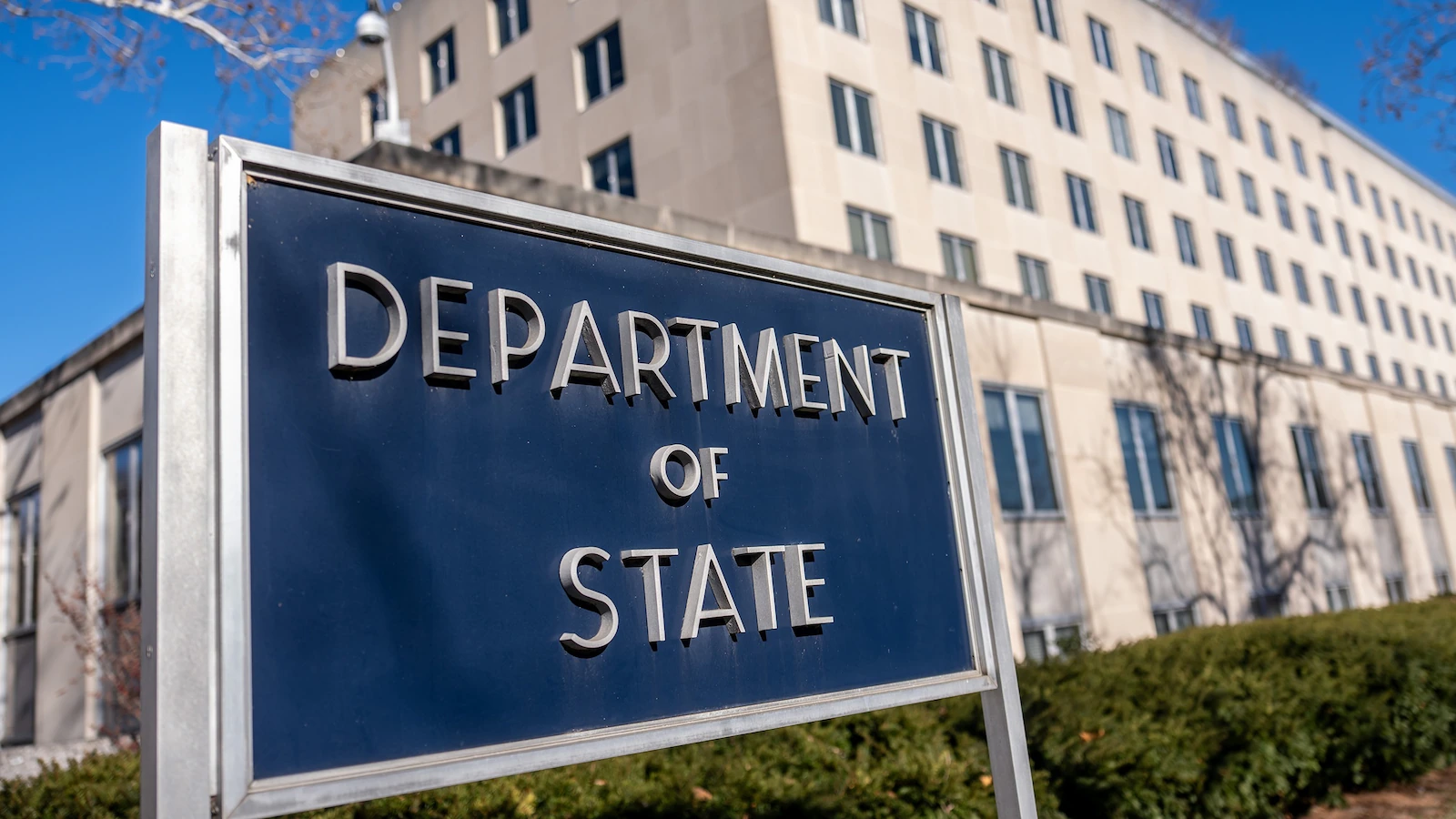
State Department suspends immigrant visas for 75 countries, cites 'public charge' risk
Applicants from Brazil, Pakistan, Nigeria lose permanent immigration pathway

Pentagon deploys troops under Title 10 authority to seal borders
Military seals borders as ICE expands enforcement to all immigrants

Trump expands travel ban to 39 countries, adds Palestine
19 countries face full entry ban, 20 face partial restrictions

Trump expands travel ban effective Jan. 1 to more countries
New travel restrictions take effect immediately as asylum seekers lose CBP One access
16 questions
Start the review