December 1, 2025
Appeals court rules Trump's former lawyer Alina Habba unlawfully serving as US attorney for New Jersey
First appellate ruling blocking Trump's temporary US attorney installations
🏛️Government
December 1, 2025
First appellate ruling blocking Trump's temporary US attorney installations
The Third Circuit ruled Dec. 1, 2025 that Alina Habba's appointment as Acting U.S
Attorney for New Jersey violated the Federal Vacancies Reform Act
The panel found Trump used a scheme He briefly removed her Then he immediately redesignated her That reset the statutory clock Her 120-day term expired Apr. 28, 2025 The court voided all her actions during the second appointment.
Habba had zero prosecutorial experience
She's a personal injury and insurance defense lawyer
She defended Trump in his New York civil fraud trial He got a $454 million judgment She defended him in E Jean Carroll defamation cases He got $83.3 million liability Legal experts warned her lack of criminal law experience made her unqualified She leads one of the nation's busiest U.S Attorney offices It handles organized crime Public corruption National security cases.
Trump tried permanent appointment
He hit the blue slip tradition
Since 1917 home-state senators can block U.S Attorney nominees They withhold approval New Jersey senators  Cory Booker and
  Andy Kim refused Senate Judiciary wouldn't hold hearings Trump had to rely on the FVRA's 120-day temporary authority.
The FVRA from 1998 explicitly bars what Trump attempted
Once an acting official's 120-day term expires the position stays vacant
It stays vacant until Senate confirmation No one can serve as acting official twice for the same vacancy Congress designed this to stop presidents To stop them installing unconfirmed loyalists indefinitely The Supreme Court reinforced this in NLRB v SW General Resources in 2017 Acting officials lose authority when FVRA limits expire.
Article II, Section 2 requires Senate confirmation for principal officers
It prevents presidents stacking government with personal allies
Hamilton wrote in Federalist No. 76 that Senate confirmation would be an excellent check upon favoritism It would prevent unfit characters U.S Attorneys decide who gets prosecuted What charges to bring Whether to pursue politically sensitive cases.
Habba wasn't alone
Trump installed at least three other acting U.S
Attorneys via FVRA workarounds Bill Essayli in Central California Sigal Chattah in Nevada Todd Halligan in Colorado Career prosecutors resigned in protest The D.C Circuit and Ninth Circuit also ruled against Trump's appointments Appeals courts created consensus His strategy violated law.
Every indictment Habba approved lacks legal authority
Every plea deal she signed
Every case her office prosecuted during her void second appointment Defense attorneys immediately moved to dismiss cases To overturn convictions DOJ now faces re-filing charges Re-negotiating pleas Defending appeals All while the New Jersey position remains vacant With no confirmed appointee.
Before her appointment, Habba represented Trump in the E. Jean Carroll defamation case, which resulted in an $83.3 million verdict against Trump.
US Attorneys serve at the pleasure of the president.
What federal prosecutor position did Trump appoint Alina Habba to in New Jersey?
Federal law requires US Attorneys to have worked as prosecutors for at least one year. Habba lacked this required experience.
Habba represented Trump in the E. Jean Carroll defamation case before being appointed US Attorney, but the $83.3 million verdict was unrelated to her appointment qualifications.
Upgrade to Premium to access all practice questions and unlock advanced quiz features.
Upgrade to PremiumThese questions are part of the Appeals court rules Trump's former lawyer Alina Habba unlawfully serving as US attorney for New Jersey topic. Master this topic by completing the quiz or exploring each question in detail.
Take the full quiz to master this topic and track your progress.
Start QuizActing U.S. Attorney for New Jersey (ruled unlawful)
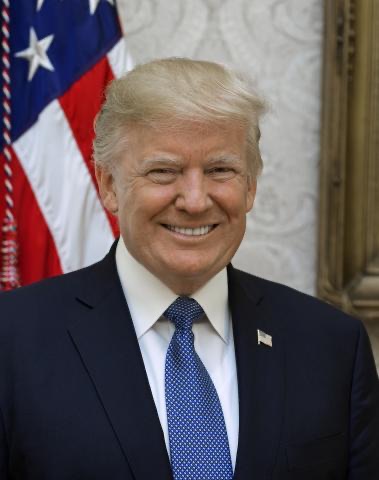
President of the United States

U.S. Senator from New Jersey

U.S. Senator from New Jersey
civic monitoring
Track the Habba case at CourtListener to monitor Senate confirmation requirements for US Attorneys
A federal judge ruled on March 9, 2026 that Trump's attempts to install successors to Alina Habba as US Attorney for New Jersey are unlawful. This follows a unanimous Third Circuit ruling in December 2025 that Habba's appointment violated Senate confirmation requirements. Habba, Trump's former personal attorney, was appointed interim US Attorney in March 2025 but courts repeatedly ruled the administration bypassed constitutional Appointments Clause requirements.
Track the Habba case at courtlistener.com searching 'Habba US Attorney New Jersey' or 'Third Circuit disqualification.' Monitor docket filings and appeals. Key context: Federal judge March 9, 2026 ruled Habba successors unlawful. Third Circuit unanimously disqualified Habba December 2025. Trump appointed former lawyer as interim US Attorney March 2025. Courts say administration bypassed Senate confirmation. Appeals court refused reconsideration January 2026. Case tests Appointments Clause requirements.