December 1, 2022

Cannon ordered a special master to slow the Mar-a-Lago investigation — then the 11th Circuit reversed her and called it an overreach

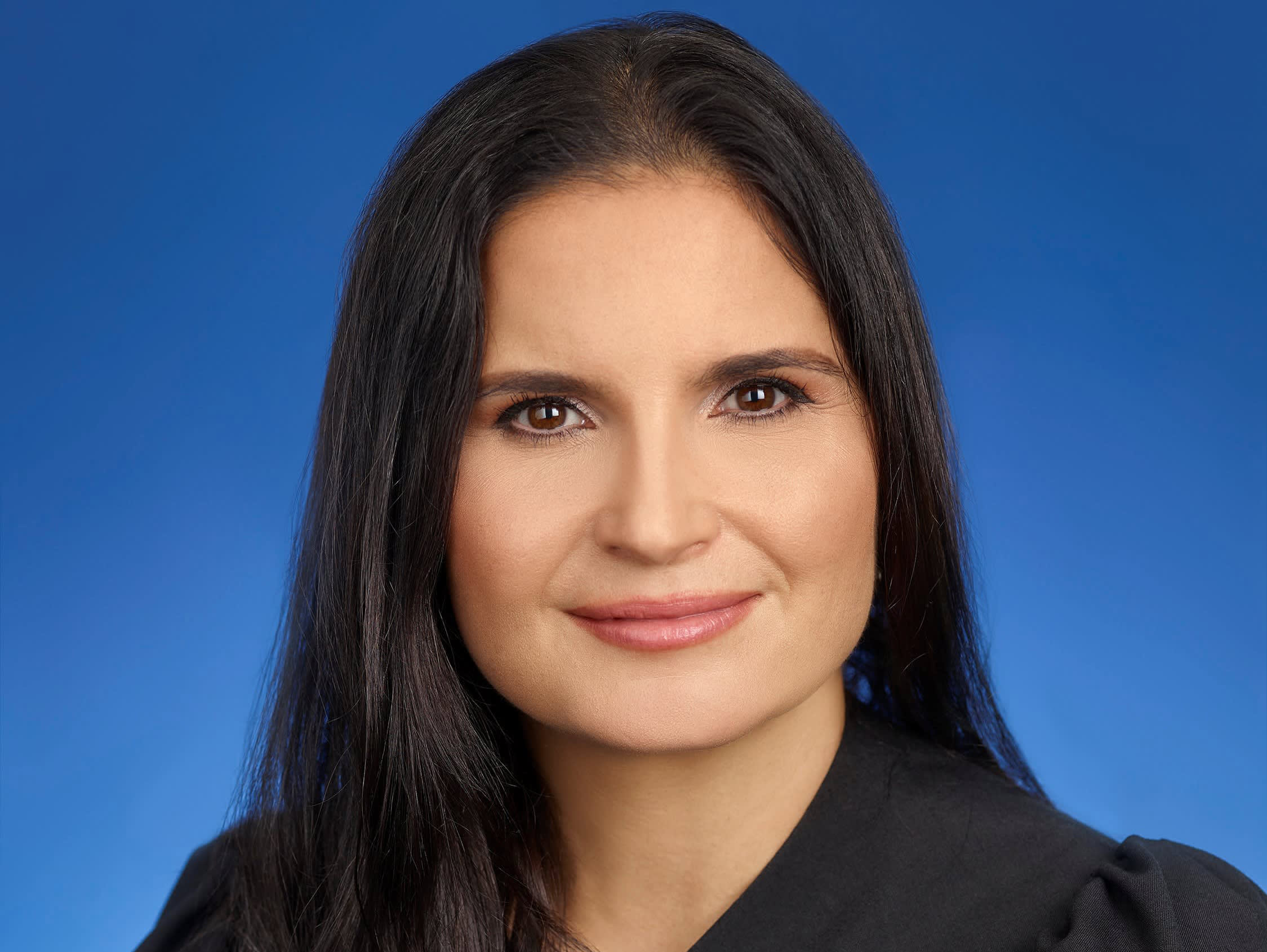
Judge Aileen Cannon appointed retired federal Judge Raymond Dearie as a special master in September 2022 to screen 11,000 documents the FBI seized from Mar-a-Lago, halting the government's criminal investigation — until three 11th Circuit judges, two of them Trump appointees, unanimously reversed her in December 2022.

The FBI seized more than 11,000 documents from Mar-a-Lago on August 8, 2022, including 103 classified records

Cannon appointed Raymond Dearie as special master on September 5, 2022, halting the criminal investigation

Cannon barred the DOJ from using the seized documents in its criminal probe while the review was underway

The 11th Circuit reversed Cannon unanimously on December 1, 2022, in a per curiam opinion

Two of the three 11th Circuit judges who reversed Cannon — Grant and Brasher — were themselves Trump appointees

The court held that Cannon had improperly exercised equitable jurisdiction by letting a civil lawsuit interfere with a criminal investigation

Cannon's case never reached trial; she dismissed it on July 15, 2024 — more than two years after the FBI search

👨‍⚖️Judicial Review📜Constitutional Law🏛️Government

People, bills, and sources

Aileen Cannon

U.S. District Judge, Southern District of Florida

Raymond Dearie

Retired Chief Judge, Eastern District of New York

Britt Grant

11th Circuit Judge

Andrew Brasher

11th Circuit Judge

Robin Rosenbaum

11th Circuit Judge

Jack Smith

Special Counsel

What you can do

1

research

Read the 11th Circuit's per curiam reversal of Cannon's special master ruling at CourtListener

When two Trump-appointed judges join a unanimous reversal of another Trump-appointed judge, the ruling carries particular weight as a signal about what was legally wrong with the original decision. Reading it directly conveys that clearly.

The 11th Circuit reversed Cannon's special master ruling unanimously, and two of the three judges who reversed her were themselves Trump appointees. Read the per curiam decision at CourtListener.com by searching for Trump v. United States 11th Circuit 2022. Per curiam decisions do not name a single author — they signal the panel's unanimous collective judgment, often used when the ruling is uncontroversial among the judges involved. The ruling explains in clear legal language why federal courts cannot use equitable jurisdiction to pause federal criminal investigations at a civil litigant's request — and why Cannon's original ruling was so unusual.

2

research

Understand equitable jurisdiction and why it cannot be used to pause criminal investigations

The equitable jurisdiction principle the 11th Circuit enforced is not a technicality — it is a structural protection that keeps civil courts from becoming tools to slow criminal accountability. Understanding it builds lasting civic literacy.

Equitable jurisdiction is a court's power to grant non-monetary relief like injunctions. The 11th Circuit ruled federal courts cannot use this power to pause federal criminal investigations at a civil litigant's request. Read the Brennan Center's analysis of the special master ruling and its reversal at brennancenter.org to understand why this legal principle matters beyond the Trump case. Courts have historically kept a strict boundary between civil and criminal proceedings to prevent criminal suspects from using civil courts to obstruct investigations. Understanding this principle helps citizens evaluate future claims that judges can or should intervene in criminal investigations.

3

research

Track the full classified documents case timeline through CourtListener

The timeline of the classified documents case is a case study in how procedural delay affects accountability. Reading it chronologically shows whether delays were caused by legitimate legal disputes or strategic obstruction.

Track the full timeline of the classified documents case — from the August 2022 FBI search through the special master ruling, its reversal, and Cannon's July 2024 dismissal — at CourtListener.com to see how procedural delays affect whether accountability arrives at all. Find the case docket at CourtListener and read the filings in chronological order. The sequence of events from search warrant to case dismissal took almost two years. Reading the procedural history shows exactly which legal maneuvers created delays, which courts rejected those maneuvers, and how the final dismissal came about.