National SecurityConstitutional LawGovernmentLocal Issues
August 25, 2025Trump threatens National Guard deployment to Chicago
State sovereignty collapses under federal occupation threats

Trump threatened National Guard deployment to Chicago on August 25, 2025, calling the city a mess with incompetent Mayor Brandon Johnson. Illinois Governor JB Pritzker explicitly objected to any federal military intervention, setting up a potential constitutional showdown over state sovereignty.
Chicago Police Department data shows violent crime decreased 30% from 2023 levels, with significant drops in carjackings and homicides. The improving crime statistics contradict Trump's emergency justification claims for military deployment, yet he continues threatening action despite local law enforcement success.
Presidential authority to deploy National Guard to unwilling states requires either governor consent or Insurrection Act invocation under extreme circumstances. Legal scholars say this remains an unresolved constitutional question, with federalized National Guard subject to Posse Comitatus Act prohibitions on military domestic law enforcement.
A federal judge ruled Trump's Los Angeles National Guard deployment illegal, establishing precedent that military policing violates the 1878 Posse Comitatus Act. The Act restricts military forces from domestic law enforcement to protect civilian governance from military overreach and preserve personal liberty through separation of powers.
Illinois Governor JB Pritzker maintains constitutional authority to approve or deny federal National Guard activation requests within state borders. If Trump proceeds without consent, it creates a potential constitutional crisis over executive branch military power and federalism principles protecting state authority.
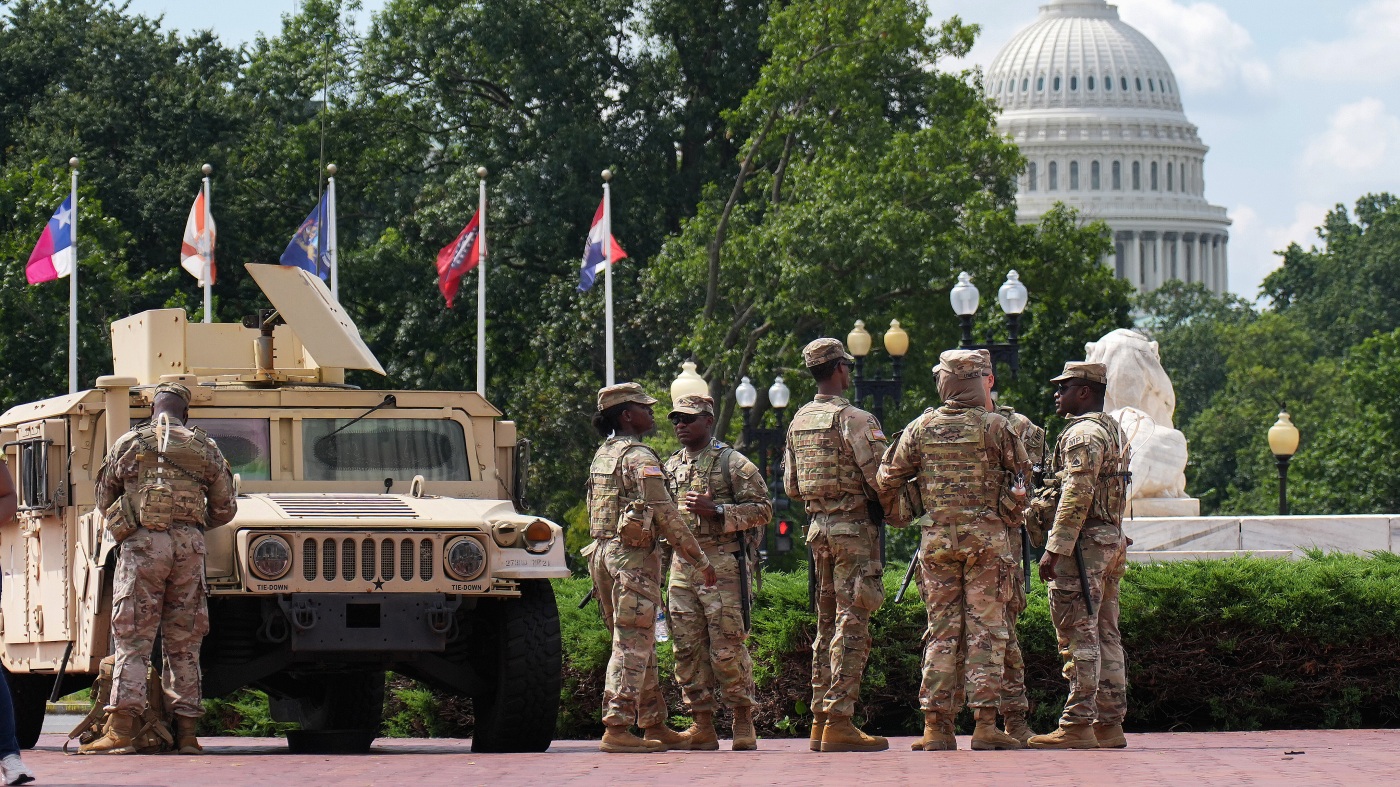
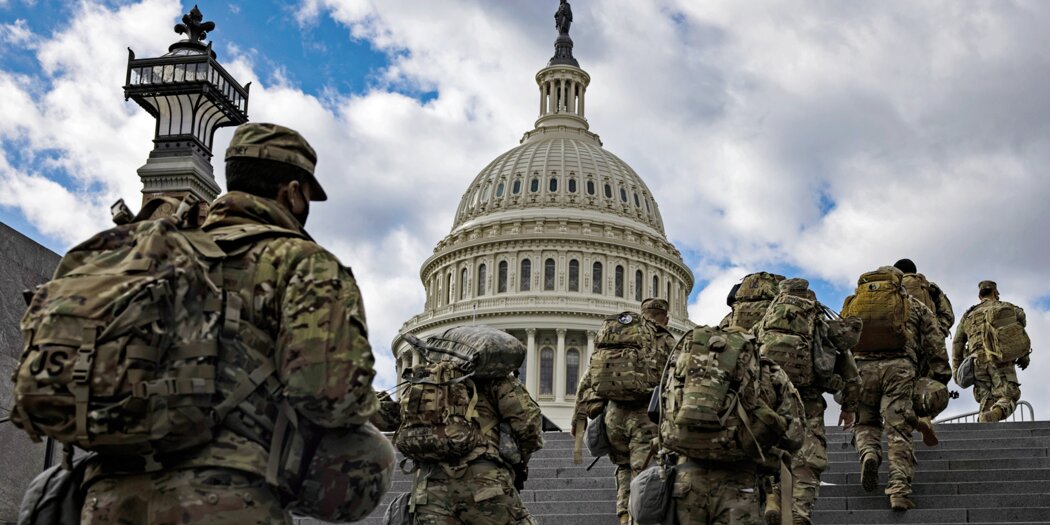
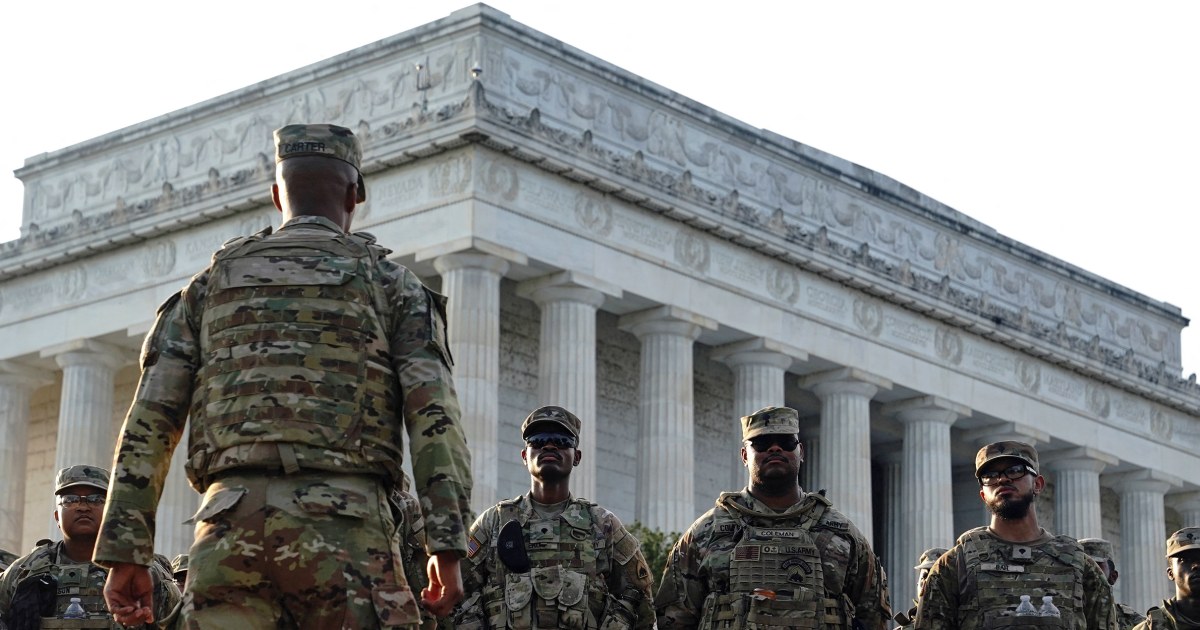
Trump already deployed 2,274 armed National Guard troops to Washington D.C. in August 2025 using Title 32 authority that bypasses Posse Comitatus Act restrictions. D.C. deployments differ from state deployments because the federal district's National Guard reports directly to the president, while state guards require governor consent or full federalization.
The Brennan Center warns Trump's unbounded interpretation of National Guard authorities risks subverting the statutory scheme Congress created to govern domestic military deployment. Legal experts emphasize that presidential power to call out the National Guard isn't a blank check and requires adherence to federal statutes and constitutional limitations.
Trump's threats represent an unprecedented expansion of federal military authority into local law enforcement domains traditionally reserved for state and local civilian governance. The confrontation tests 150-year-old American principles against domestic military use, raising constitutional questions over executive power to impose military control on cooperative jurisdictions without clear emergency justification.
Related Topics
6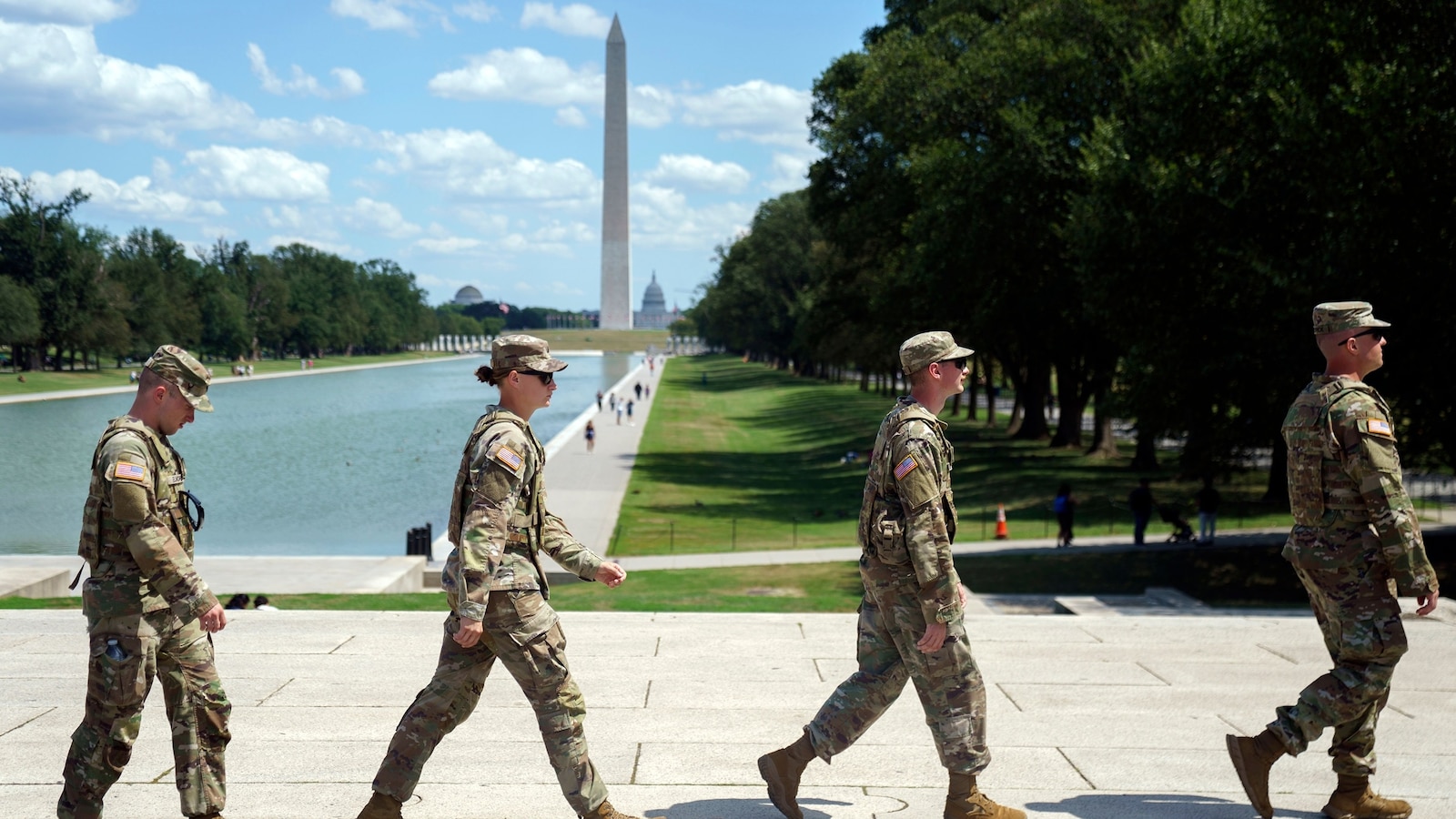
Trump deploys National Guard illegally, federal judge rules
Trump threatens troops in cities, seeks governors who will "welcome" intervention

Trump threatens troops in Democratic-led cities
Democratic mayors vow resistance to federal deployment
Trump seizes DC police, deploys armed National Guard
National Guard deploys after federal control order
Trump posts 'Chipocalypse Now' image aimed at Chicago as federal enforcement and legal fights escalate
Trump posts war imagery then backtracks as ICE enters Chicago
Trump seizes DC police control under rarely-used Home Rule Act
Constitutional crisis erupts as president seizes local government
Pentagon deploys Marines under Insurrection Act for L.A. surveillance operation
Trump deploys 2,700 troops to monitor protests and track federal workers
16 questions
Start the review