June 25, 2025
Trump cuts off Congress from intelligence after Iran strike leaks


Trump limits intelligence sharing after Iran strike leaks expose lies.
🛡️National Security📜Constitutional Law🌍Foreign Policy
June 25, 2025
Trump limits intelligence sharing after Iran strike leaks expose lies.
A Defense Intelligence Agency assessment leaked on Jun. 25, 2025 concluded U.S. strikes on Iranian nuclear facilities only delayed Iran’s nuclear program by 3–6 months, contradicting public claims of complete destruction.
President Trump ordered limits on classified intelligence sharing with Congress immediately after the leak of this DIA assessment.
Director of National Intelligence Tulsi Gabbard canceled a scheduled briefing with the Senate Intelligence Committee.
Briefings originally set for Tuesday were postponed to Thursday (Senate) and Friday (House) to accommodate Defense Secretary Pete Hegseth and Secretary of State  Marco Rubio.
U.S. strikes on Iranian facilities occurred Saturday between 6:40 p.m. and 7:05 p.m. EDT; Trump sent a short notification letter to congressional leaders on the following Monday.
House Speaker Mike Johnson and Senate Majority Leader John Thune were notified of the military action in advance, while other members faced delayed or limited briefings.
Speaker Johnson declared the 1973 War Powers Resolution "unconstitutional," citing Article 2 commander-in-chief powers.
The War Powers Resolution requires the president to notify Congress within 48 hours of military action and provide classified briefings on operations.
Senate Minority Leader Chuck Schumer demanded the administration "immediately undo" its decision to limit classified information sharing.
Internal assessments conflict: the DIA reported limited damage, while CIA Director John Ratcliffe asserted the strikes caused "severe, long-term damage."
It is not known for certain whether the leaks originated from a member of Congress.
Representative Thomas Massie stated "There was no imminent threat to the United States" requiring unilateral action and has introduced a War Powers resolution.
President Trump threatened to support Massie’s primary challenger in the 2026 midterms for opposing the Iran strikes.
How did Trump notify Congress about the Iran strikes, and when?
Which top officials were originally scheduled to brief senators on Iran but had briefings postponed?
What did Senate Democratic leader Chuck Schumer say about lawmakers' information needs?
What did Senate Minority Leader Chuck Schumer demand regarding the intelligence restrictions?
Director of National Intelligence Tulsi Gabbard backed out of a Senate Intelligence Committee briefing.
Upgrade to Premium to access all practice questions and unlock advanced quiz features.
Upgrade to PremiumThese questions are part of the Trump cuts off Congress from intelligence after Iran strike leaks topic. Master this topic by completing the quiz or exploring each question in detail.
Take the full quiz to master this topic and track your progress.
Start Quiz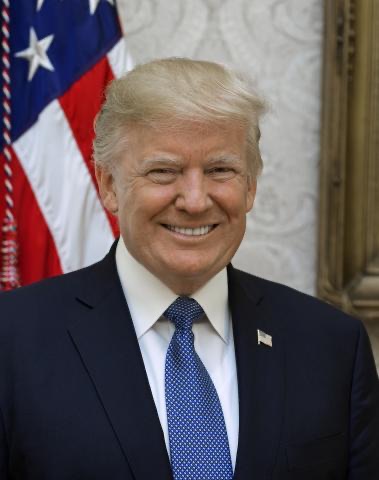
present) – Ordered intelligence-sharing restrictions and notified Congress of the strikes.
present)
Called the War Powers Resolution unconstitutional and weighed further limiting lawmakers’ access to sensitive intelligence.
Received advance notification of the Iran strikes.
Urged the White House to rescind its decision to restrict classified briefings.
Commented that the restrictions "must be bad news."
Withdrew from a planned Senate Intelligence Committee briefing.
Briefing schedules affected; publicly chastised reporters at a Pentagon briefing.
Schedule conflicts contributed to postponed congressional briefings.
Asserted the strikes inflicted "severe, long-term damage."
Questioned the necessity of the strikes and filed a War Powers resolution.