Constitutional LawGovernmentJustice
December 5, 2025DC Circuit rules Trump can fire labor board members at will
Ruling dismantles 90-year precedent protecting agency independence from presidential control

The D.C
Circuit's Dec. 5, 2025 ruling declared that for-cause removal protections for NLRB and MSPB members violate Article II of the Constitution
This directly contradicts the 's 1935 ruling in Humphrey's Executor v United States, which established that Congress can insulate certain agency officials from at-will presidential removal The panel's decision sets up a direct confrontation with Supreme Court precedent, making it likely the case will reach the current Supreme Court.
The court distinguished the NLRB from the Federal Trade Commission as it existed in 1935, when Humphrey's Executor was decided. The panel emphasized that the NLRB now wields broad rulemaking authority, sets policy through administrative adjudications, issues cease-and-desist orders, orders reinstatement and backpay, has independent litigating authority, and oversees union elections. These expanded powers, according to the panel, make the NLRB's removal protections unconstitutional under current executive power doctrine.
Trump fired NLRB Member Gwynne Wilcox in early 2025, prompting a legal challenge
On Apr. 7, 2025, the full D.C
Circuit held that Trump's termination was unlawful and ordered her reinstated This full-court ruling reversed an earlier three-judge panel decision that had sided with Trump The Apr. decision temporarily restored Wilcox to the board, giving the NLRB a quorum to conduct business.
In May 2025, the Supreme Court stayed the Apr. reinstatement order and remanded the case to the D.C
Circuit to decide whether the removal protections themselves are constitutional
This Supreme Court intervention signaled skepticism about NLRB members' removal protections and directed the lower court to address the constitutional question head-on The stay left the NLRB without a quorum while the case proceeded.
The Dec. ruling leaves the NLRB without a quorum, meaning it can't issue decisions on appeals from administrative law judge rulings in unfair labor practice cases
Without a functioning board, labor unions lose their primary enforcement mechanism for workplace protections
Employers gain leverage to delay or avoid accountability for labor law violations Pending cases sit in limbo, affecting thousands of workers trying to organize or challenge unfair treatment.
The ruling creates a blueprint for dismantling other independent agencies with similar removal protections, including the Federal Trade Commission, Consumer Financial Protection Bureau, Federal Communications Commission, and Securities and Exchange Commission. If upheld by the Supreme Court, the decision would give presidents unprecedented control over agencies Congress designed to be independent. This fundamentally alters the balance of power between the executive branch and regulatory agencies.
Labor unions immediately criticized the ruling as an attack on workers' rights to organize and challenge unfair labor practices. Union leaders warned that without an independent NLRB, employers will face no consequences for retaliating against union organizing, refusing to bargain in good faith, or violating workplace safety laws. The decision empowers employers to stall enforcement while workers wait years for resolution.
The case will almost certainly reach the Supreme Court, where the conservative supermajority has shown hostility to the administrative state
Recent rulings like West Virginia v
EPA (2022) and Loper Bright Enterprises v Raimondo (2024) limited agency authority and deference If the Court upholds the D.C Circuit's ruling, it would overturn nearly 90 years of precedent protecting independent agencies from presidential control The outcome will determine whether Congress can create agencies insulated from direct presidential removal power.
Related Topics
6
DOJ drops then reverses its fight against law firms that beat Trump in court
Four courts found the orders unconstitutional. Then DOJ dropped them. Then it did not
Trump's judicial push stalls as vacancies run dry, confirming only 26 judges in 2025
With few open seats left, Trump's court-packing strategy depends on creating vacancies, not just filling them
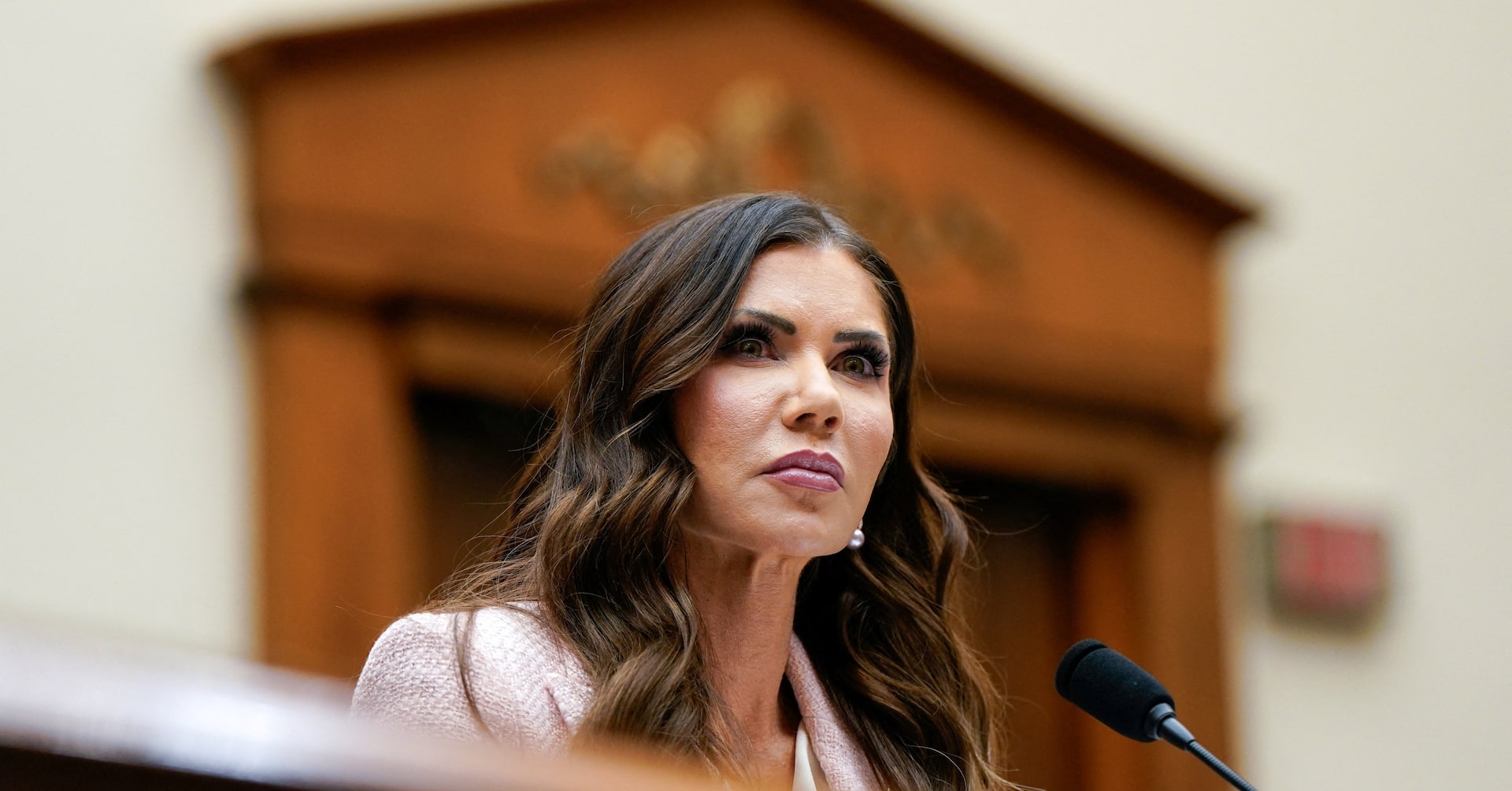
Trump fires Noem, names Mullin DHS secretary — but the law may block it
Mullin can''t legally serve as acting DHS secretary while awaiting Senate confirmation
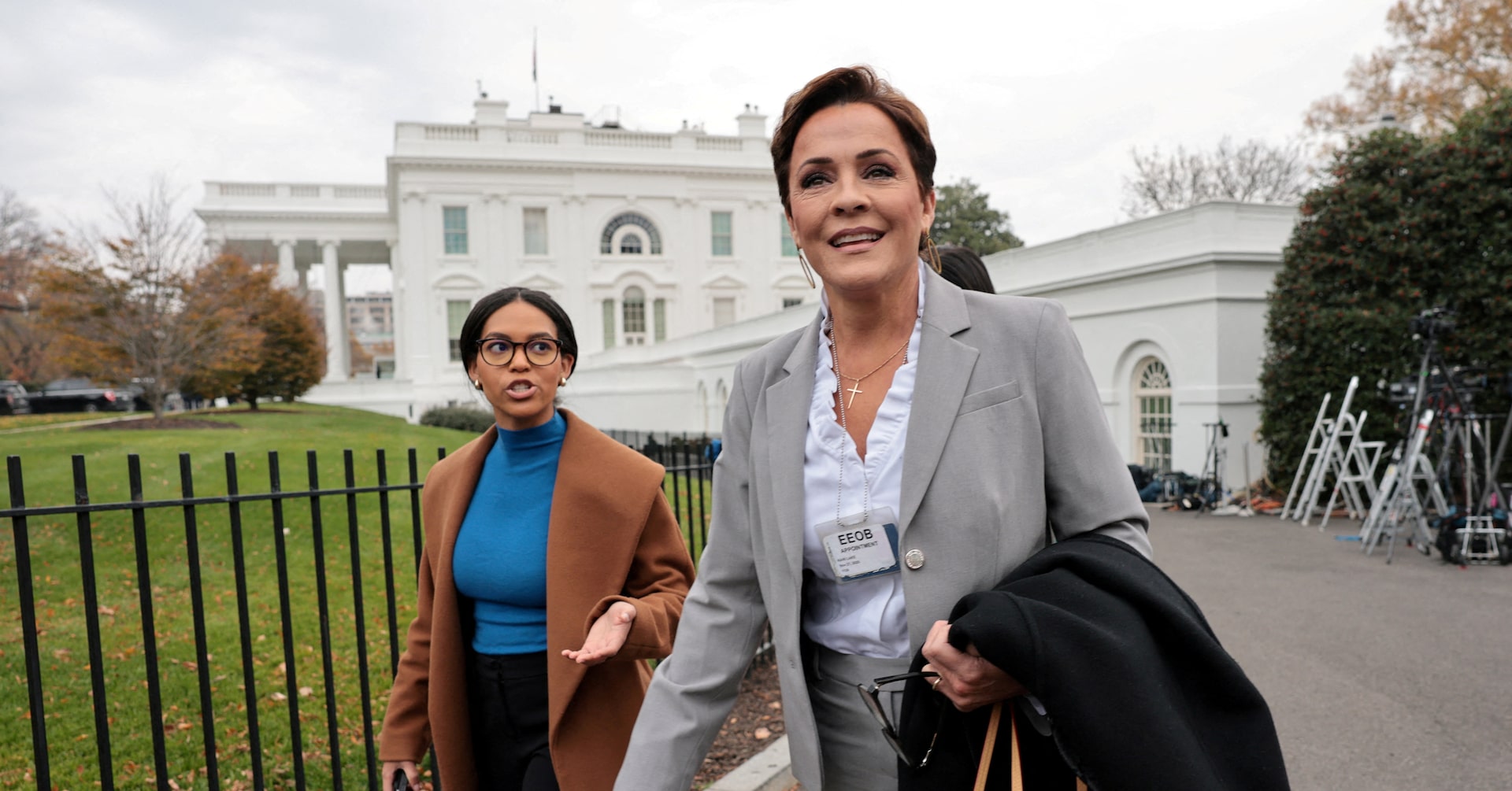
Judge voids Kari Lake's VOA job cuts as unlawful
VOA journalists and 420 million weekly listeners lost coverage in 45 languages
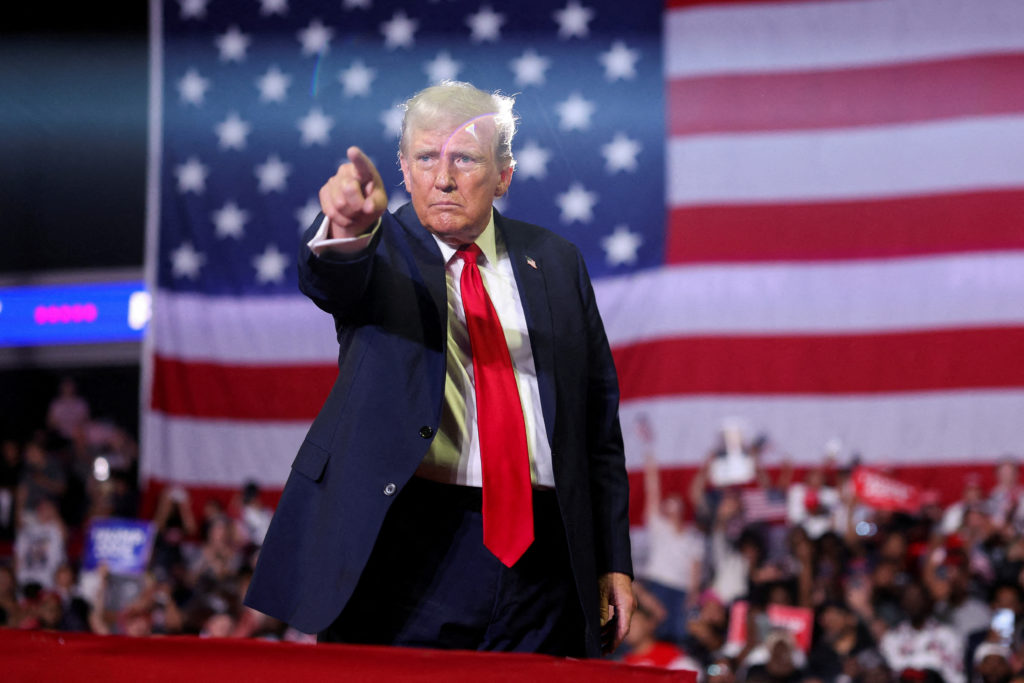
Former President Trump appeals hush money conviction on multiple legal tracks
Trump is simultaneously appealing his 34 felony convictions in New York state court while trying to move the case to federal court, where he could invoke presidential immunity to wipe out the conviction entirely

State Dept. refuses to rescind 250 Foreign Service layoffs
Trump admin says court order only delays foreign service layoffs, doesn't reverse them
20 questions
Start the review