Constitutional LawGovernmentCivil RightsEducation
January 22, 2026Federal court blocks Trump's DEI funding threat to schools
McMahon threatened federal funding to schools in all 50 states

On February 14, 2025, Education Secretary Linda McMahon sent a "Dear Colleague" letter to schools and colleges across America threatening to cut federal funding if they continued DEI programs. McMahon claimed the programs violated the 's 2023 ruling banning race-based college admissions. That ruling only addressed college admissions. McMahon expanded it to cover hiring, financial aid, student services, and classroom teaching, going well beyond what the court actually decided.
Schools had concrete reasons to worry. Title I is the largest federal K-12 funding source, directing billions of dollars annually to low-income schools, the districts most likely to operate diversity programs. McMahon gave schools two weeks to comply or face investigations and potential funding cuts. She also set up a federal portal where parents could report teachers and programs they believed violated the letter. Teachers began asking employment lawyers whether they could be fired for teaching American history.
Legal challenges came fast. In April 2025, the National Education Association and American Federation of Teachers filed suit in New Hampshire, joined by the ACLU and the Center for Black Educator Development. Democratic-led states and other organizations filed separate lawsuits in other courts. All of them raised the same arguments: the guidance was unconstitutionally vague, violated the First Amendment, and exceeded the Education Department's legal authority under the Administrative Procedure Act.
On April 24, 2025, three federal judges in three separate courts issued simultaneous preliminary injunctions blocking the "Dear Colleague" letter. Judge Landya McCafferty in New Hampshire wrote that under McMahon's guidance, a teacher who says structural racism exists in America violates the letter, but a teacher who denies it exists complies. "That is textbook viewpoint discrimination," she wrote. Judge Dabney Friedrich, a Trump appointee in Washington, D.C., called the guidance "unconstitutionally vague." All three judges agreed McMahon had likely broken the law.
The most consequential ruling came on August 14, 2025. Federal Judge Stephanie Gallagher in Maryland didn't just block the letter temporarily. She vacated it completely, meaning it had no legal effect anywhere in America. Gallagher found that McMahon violated the Administrative Procedure Act by issuing binding rules without the "notice and comment" process Congress requires. The Education Department hadn't let the public weigh in before threatening to cut school funding.
The Trump administration had a choice after Gallagher's ruling: appeal to the Supreme Court or withdraw. On January 21, 2026, the Education Department filed to dismiss its appeal, conceding the case. The ruling stands nationwide. Schools can continue diversity programs without losing federal funding. McMahon's "Dear Colleague" letter is legally dead.
The Administrative Procedure Act requires agencies to publish proposed rules, accept public comments, and explain their legal reasoning before issuing guidance that binds institutions. McMahon's letter skipped every step. Courts found that labeling something "guidance" doesn't exempt agencies from those requirements: when federal funding is threatened, that's enforcement, not advice. Congress passed the APA in 1946 after decades of agencies issuing binding rules without public input or review.
Related Topics
3
Judge blocks Trump's school funding threats over DEI programs, protecting $1.3B
U.S. District Judge Stephanie Gallagher struck down the Trump Education Department's threats to cut billions in federal funding from schools with diversity programs, ruling the directives violated the First Amendment and federal procedural law
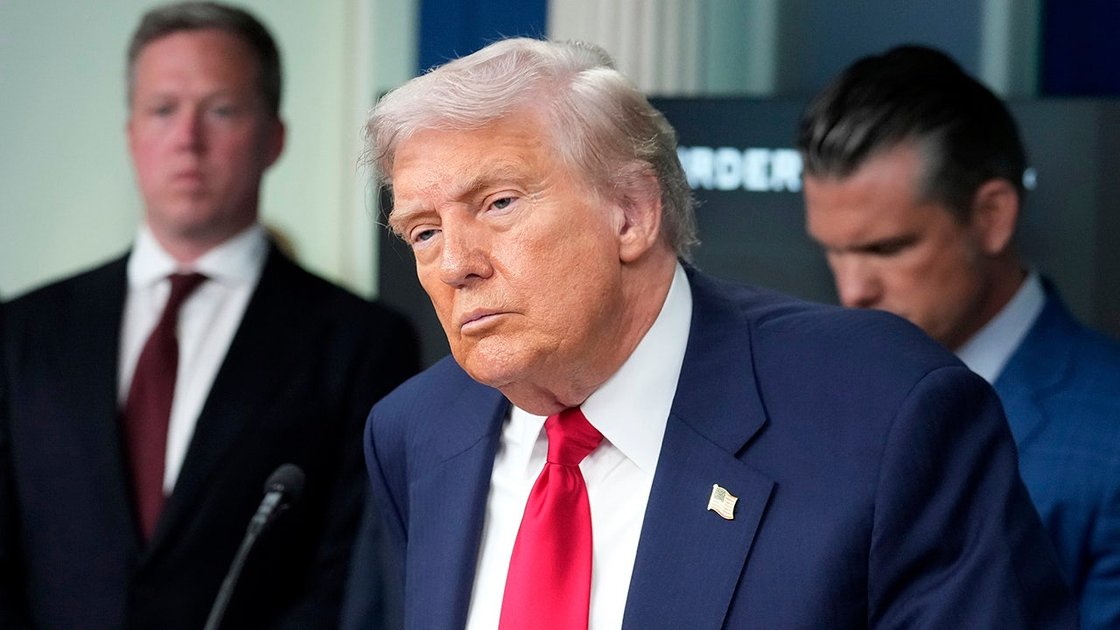
Federal judge blocks administration's school diversity ban as unconstitutional
Federal courts defend education from ideological purge

Judge blocks Trump from defunding universities over DEI
Judicial branch blocks educational McCarthyism at universities
24 questions
Start the review