GovernmentEconomy
June 25, 2025Fed Chair Powell warns Congress that Trump's tariffs will cause "persistent" inflation
Fed Chair warns Trump tariffs cause persistent inflation, refuses rate cuts

Fed Chair Jerome Powell testified to Congress on June 24-25, 2025, warning that President Trump's tariffs will cause "persistent" inflation.
On June 24, 2025, President Trump called Powell "very dumb, hardheaded" on Truth Social and urged Congress to "work him over" for refusing to cut interest rates.
Tariffs are taxes on imported goods that raise prices for American consumers immediately; Powell cautioned that these price increases can persist over time.
The Federal Reserve's dual mandate from Congress is to control inflation and promote maximum employment.
The Fed cannot cut interest rates when inflation is rising because lower rates would boost demand and make prices climb further.
Trump's tariff policy creates a "catch-22": the same tariffs driving up prices prevent the rate cuts he seeks to stimulate the economy.
Federal Reserve independence was established to prevent politicians from manipulating interest rates for short-term electoral gains, which historically led to boom-bust cycles.
Countries such as Argentina and Turkey experienced economic crises—including high inflation and currency collapses—when politicians interfered with central bank decisions.
According to a September 2025 CNBC survey, 82% of economists believe Trump's actions amount to an effort to limit or eliminate Fed independence.
68% of surveyed economists said Trump's pressure on the Fed will put upward pressure on inflation, while 57% predicted higher unemployment.
Related Topics
4
Powell signals rate cuts amid sustained Trump pressure
Central bank independence crumbles under political pressure
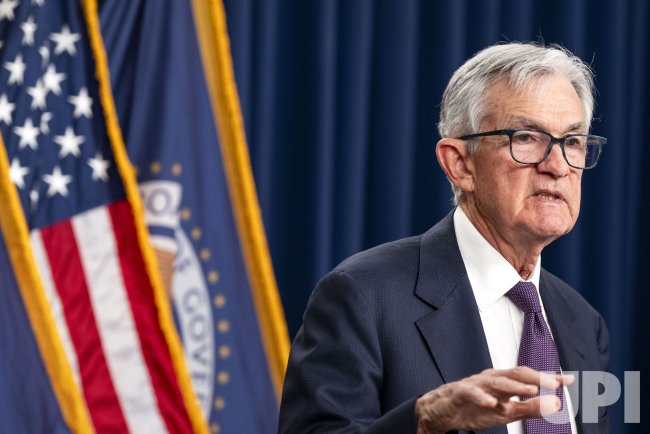
DOJ's criminal probe of Fed chair called political by judge
A judge says Trump's DOJ used a fake probe to force the Fed chair out
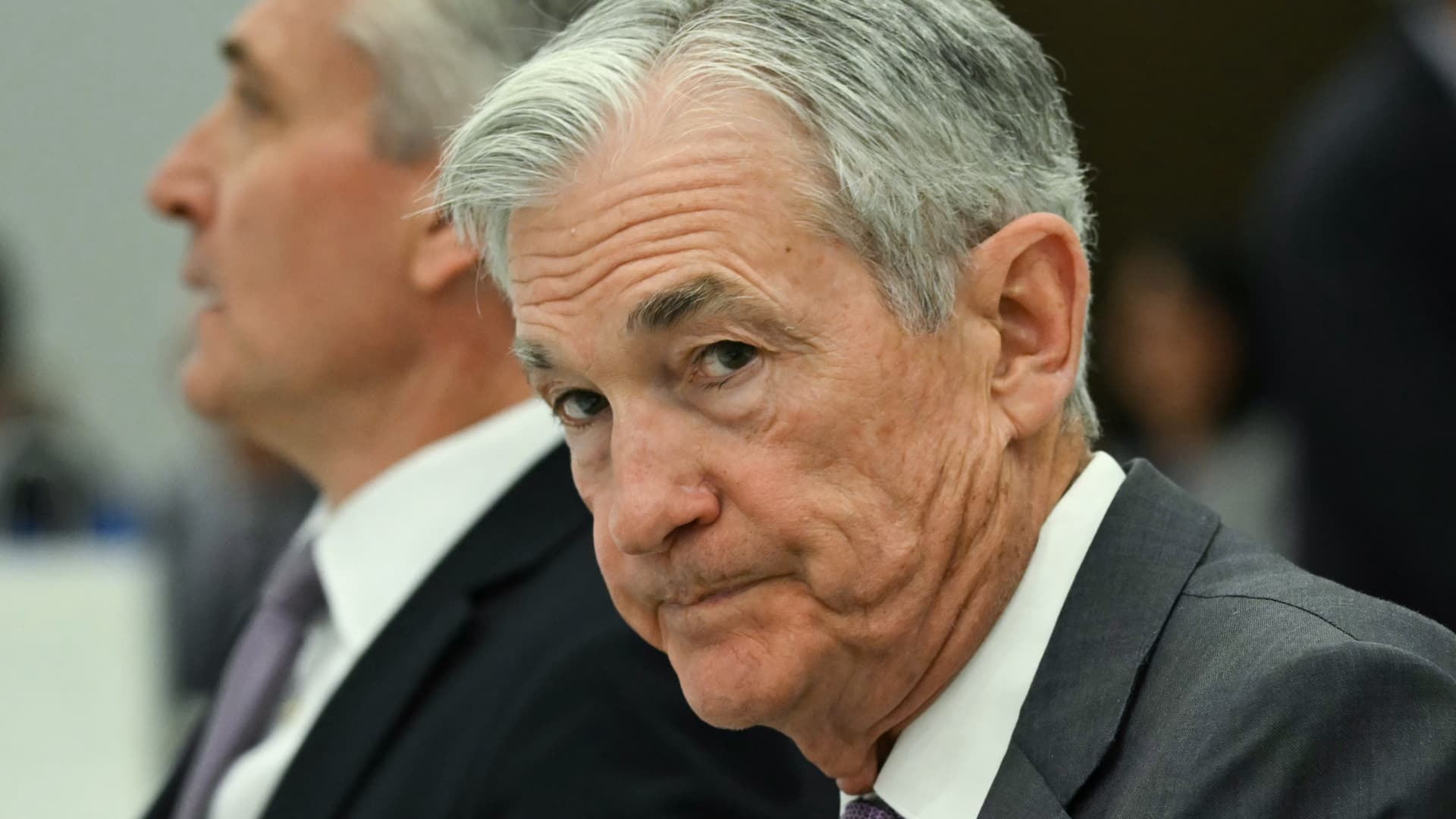
Trump threatens to fire Fed Chair Powell after rates stay unchanged
Trump calls Fed Chair Powell "numbskull," demands 2% rate cut to save $600 billion annually
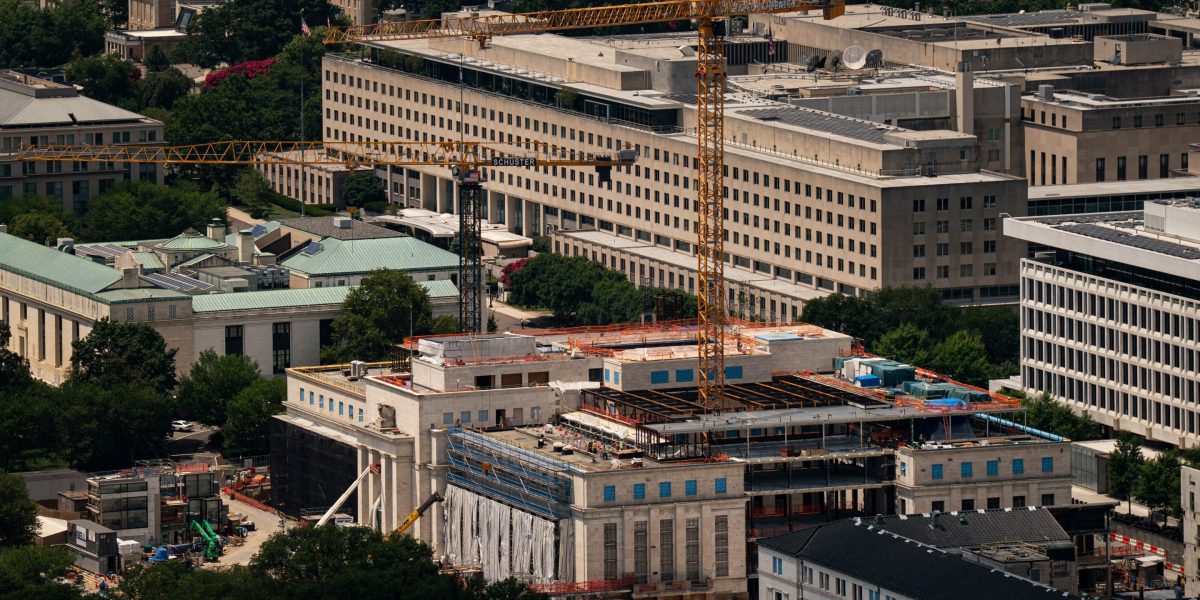
Trump weaponizes Fed headquarters renovation costs to pressure Powell on rates
Fed's $2.5B marble renovation sparks Trump-Powell clash over luxury spending
16 questions
Start the review