Public HealthTax & BudgetGovernmentLegislative Process
October 1, 2025Senate deadlocks on ACA subsidies, 800,000 workers furloughed
Premiums to spike 75% as Senate blocks subsidy extension

The federal government shut down on Oct. 1, 2025 at 12:01 AM after the Senate failed to pass a funding bill before the Sep. 30 fiscal year deadline. The shutdown affects approximately 800,000 federal employees who are either furloughed without pay or required to work as essential personnel without immediate paychecks.
Senate Democrats demand that enhanced Affordable Care Act (ACA) premium subsidies be extended immediately, while Republicans want to negotiate the extension later. The subsidies helped 24 million people afford health insurance in 2025 and cost an estimated $350 billion over 10 years according to Congressional Budget Office (CBO) scoring.
Without the subsidy extension, premiums will increase by 75% on average in 2026, pricing out approximately 4 million people from coverage. The subsidies cap premiums at 8.5% of income for marketplace enrollees. A family of four earning $100,000 would see premiums jump from $750 to $1,150 monthly without the extension.
The Senate needs 60 votes to pass funding under filibuster rules, requiring at least 7 Democrats to join Republicans on any bill. Democrats have remained unified in blocking Republican proposals that don't include the ACA subsidy extension, giving them effective veto power over any Senate legislation.
Republicans propose a 7-week clean continuing resolution funding the government through Nov. 21. The bill includes basic funding and $58 million for security after Charlie Kirk's assassination but excludes any policy additions. GOP leaders argue healthcare subsidies should be negotiated separately after the shutdown ends.
Approximately 800,000 federal workers are furloughed without pay, while another 700,000 are working without immediate payment. Essential personnel including military members, TSA agents, air traffic controllers, and Border Patrol agents must report to work unpaid.
The Special Supplemental Nutrition Program for Women, Infants, and Children (WIC) serving 7 million women and children faces a funding shortfall. The USDA allocated $150 million in emergency funds, but the money will run out in under two weeks if the shutdown continues. WIC provides nutrition assistance to low-income pregnant women, new mothers, and young children.
The last government shutdown in 2018-2019 lasted 35 days and cost the economy $11 billion according to CBO estimates. That shutdown permanently reduced GDP by $3 billion as economic activity was permanently lost. Federal contractors faced $2 billion in losses and weren't guaranteed back pay unlike federal employees.
Related Topics
6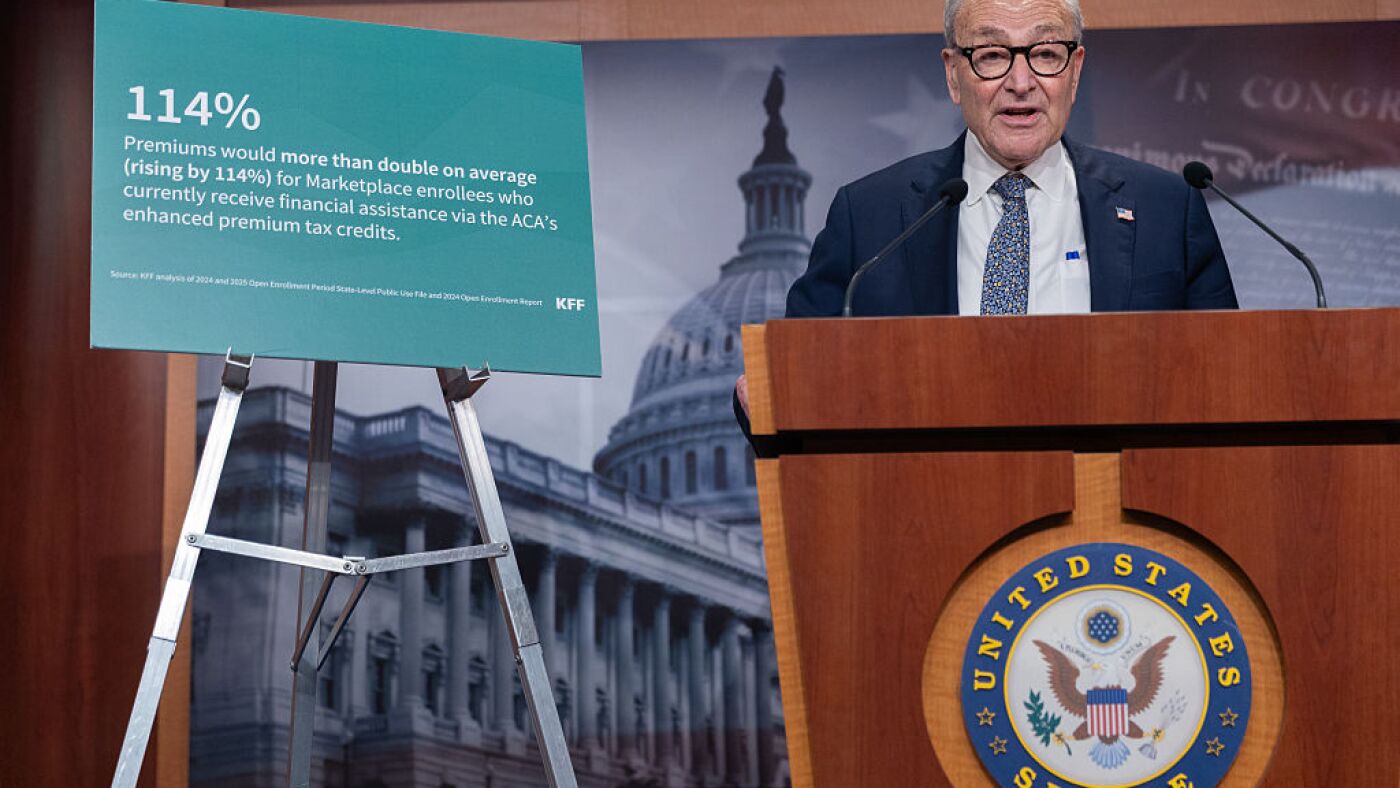
About 750,000 federal workers furloughed as Senate votes fail amid ACA subsidy fight
Republicans control all branches but blame Democrats for shutdown
ACA subsidies expire after Senate fails to act on shutdown deal
Congress punts healthcare fight until after deadline, leaving millions facing premium spikes
Government shutdown reaches day 35, ties longest U.S. shutdown
Shutdown ties 2018-2019 record as Senate rejects funding 14 times amid fight over healthcare subsidies
Congress faces September 30 shutdown as Democrats demand leverage
GOP controls Congress but still needs Democratic votes to avoid shutdown
43-day shutdown ends as Trump signs funding bill after historic standoff
Longest shutdown in U.S. history ends with a deal that funds the government for just 11 weeks

Senate Democrats block CR over ACA subsidies
51-45 vote blocks GOP funding, White House threatens mass layoffs
18 questions
Start the review