Housing · Government · Civil Rights·April 9, 2026
ICE spent $1 billion on detention warehouses without notifying states or Congress
Contracts for 30,000 new detention beds were signed in secret over six weeks

Photo: Spotlight PA/Associated Presssource ↗
In early 2026, the Trump administration purchased 11 massive warehouses across the country for $1.074 billion, a secret project designed to rapidly expand Immigration and Customs Enforcement detention capacity. The plan involved eight mega-centers, each designed to hold 7,000 to 10,000 migrants, plus 16 smaller regional processing centers and 10 converted existing detention facilities, supporting what ICE called its capacity to "effectuate mass deportations." Federal officials made most acquisitions without consulting state or local leaders, keeping communities in the dark until purchases were finalized. Republican and Democratic governors, mayors, and senators united against the expansion despite disagreements on immigration policy broadly. Days after taking office in late March 2026, new Homeland Security Secretary  Markwayne Mullin paused all new warehouse purchases and ordered reviews of predecessor
  Kristi Noem's contracts after discovering evidence of dramatic overpayment and poor planning.
Key facts
The Trump administration spent $1.074 billion to purchase 11 massive warehouses across the country in early 2026, a secret expansion project designed to increase Immigration and Customs Enforcement detention capacity. The plan called for eight mega-centers capable of holding 7,000 to 10,000 migrants, plus 16 smaller regional processing centers and 10 converted existing detention facilities. The entire $38.3 billion expansion aimed to support what ICE called its capacity to effectuate mass deportations.
Warehouses were purchased in Salt Lake City, Surprise Arizona, Social Circle Georgia, Socorro Texas, Roxbury New Jersey, Washington County Maryland, and other locations. Purchases occurred quietly between February and March 2026. Officials made these acquisitions without meaningful community consultation or transparency.
The Salt Lake City warehouse purchase exemplified the scale and secrecy. In March 2026, the federal government paid $145.4 million for an 833,280-square-foot warehouse near Salt Lake City International Airport, the highest price for any single warehouse under this plan. Tax assessors had valued the warehouse at only $97 million, suggesting federal officials overpaid by approximately $48.4 million. None of the other DHS acquisitions reviewed had a gap that wide between purchase price and comparable properties. The department paid an average of 11 to 13 percent above market value for the first 10 properties.
In Surprise, Arizona, the federal government awarded GardaWorld Federal Services a $313 million contract on March 6, 2026, to operate a 400,000-square-foot warehouse as a detention center. GardaWorld had never directly managed an immigration detention facility before, yet won the contract without a competitive bidding process. The company already helped operate the controversial detention facility in Florida known as Alligator Alcatraz, facing legal challenges for alleged human rights violations.
The federal government paid $128.6 million for a facility in Social Circle, Georgia; $122.8 million for a trio of warehouses in Socorro, Texas; $129 million for a 470,000-square-foot warehouse in Roxbury, New Jersey; and $102.4 million for a Washington County, Maryland, facility with plans for a $113 million renovation contract. Officials made these acquisitions without meaningful community consultation.
The detention expansion happened under former Homeland Security Secretary Kristi Noem, who was confirmed by the Senate on January 25, 2025 and pushed forward aggressively with the warehouse acquisition strategy during her tenure through early March 2026. Noem's approach prioritized speed and scale over transparency, leaving governors, mayors, state attorneys general, and local officials scrambling to understand federal plans they hadn't been informed about. Republican and Democratic leaders alike found themselves blindsided.
Days after taking office in late March 2026, new Homeland Security Secretary Markwayne Mullin paused all new warehouse purchases and ordered reviews of Noem-era contracts. Mullin's team discovered evidence of dramatic overpayment across multiple facilities. The pause reflected growing concern within the Trump administration that the expansion had been rushed, poorly managed, and triggered political problems even among Republican allies.
Salt Lake City Mayor Erin Mendenhall declared that a detention center does not belong in our capital city and vowed to use every tool at the city's disposal to block the facility. She raised concerns about water and sewer systems insufficient for 10,000 people, potential loss of over $1 million annually in property tax revenue, and strain on roads and utilities. The Salt Lake City Council responded by capping water use for large government facilities at 200,000 gallons per day, a direct obstacle to an ICE facility that would need 1 to 2 million gallons daily.
Republican and Democratic leaders united against the detention expansion despite their disagreement on 📖immigration enforcement broadly. Republican Senator  Roger Wicker of Mississippi opposed ICE's plan to convert a warehouse in Byhalia into an 8,500-bed detention center, arguing it would foreclose economic development opportunities. Republican Governor Kelly Ayotte of New Hampshire secured DHS agreement to abandon the New Hampshire plan. Republican Governor
  Spencer Cox of Utah learned about the Salt Lake City purchase only after it closed.
Pennsylvania Governor  Josh Shapiro sent a letter to Noem promising his administration would aggressively pursue every option to prevent these facilities from opening. The Department of Environmental Protection issued orders that effectively blocked water and sewage connections for two Pennsylvania detention sites until ICE submitted detailed infrastructure plans. A 7,500-person facility planned for Tremont Township would more than triple the sewage system's current capacity of 4,000 people.
New Jersey filed the most formal legal challenge. On March 20, Governor 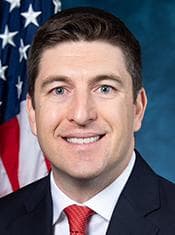 Mikie Sherrill and Attorney General Jennifer Davenport sued the federal government to block the Roxbury warehouse detention center. Their 67-page lawsuit argued that ICE violated the Administrative Procedure Act, the National Environmental Policy Act, the Intergovernmental Cooperation Act, and the Immigration and Nationality Act. The facility lacked adequate sewer infrastructure, contained only four toilets for a building designed to hold 1,500 people, and would multiply wastewater flows 15 times over the current approved limit.
Related Topics
3🎣
Trump calls Somalis 'garbage,' launches 'Catch of the Day' operation against Maine's Somali communities
ICE launched "Operation Catch of the Day" on Jan. 21, 2026, targeting 1,400 people in Maine's cities with large Somali populations, arresting over 100 by week's end. The operation focused on Portland and Lewiston, using masked plainclothes agents in unmarked cars to conduct traffic stops and detentions. The operation came weeks after President Trump called Somalis "garbage" at a Dec. 2, 2025 cabinet meeting and "low IQ people" at a Jan. 21, 2026 White House briefing. Portland school attendance dropped 20% in some schools as families feared sending children to school during the ICE surge. ICE agents arrested a pregnant Ecuadorian woman in Westbrook, then returned to threaten Liz McLellan, a housing advocate who filmed the arrest, yelling they knew her name and where she lived. Lewiston Mayor Carl Sheline condemned "ICE's terror and intimidation tactics" that "reflect complete lack of humanity."
92% match
21 questions
👶
ICE uses 5-year-old asylum seeker as 'bait' to knock on doors after preschool pickup
ICE agents detained 5-year-old Liam Conejo Ramos and his father Adrian Alexander Conejo Arias in their driveway in Columbia Heights, Minnesota, on Jan. 20, 2026, after Liam returned from preschool. School officials reported that an agent took Liam from the running car and had him knock on the door to see who else was home, using the child as "bait" in an immigration enforcement operation. ICE claimed the father fled on foot and abandoned his child, but the family's attorney Marc Prokosch said they were grabbed in their driveway and both presented themselves legally at a U.S. border to seek asylum through the CBP One app. Both have pending asylum cases docketed Dec. 17, 2024, with no deportation orders. The family is now held at the Dilley detention center in Texas, where a lawsuit by the National Center for Youth Law alleges families face food contaminated with mold and worms, and medical neglect so severe one child's earache became a hearing-loss infection before treatment began.
91% match
23 questions
🚫
DHS requires 7-day notice for congressional ICE visits
DHS implemented a policy requiring members of Congress to provide seven days' advance notice before visiting ICE detention facilities. A federal judge temporarily blocked this requirement on Dec. 17, 2025. However, DHS Secretary Kristi Noem reinstated the policy on Jan. 8, 2026—one day after an ICE officer fatally shot a U.S. citizen in Minneapolis. Twelve Democratic House members sued, arguing the restrictions violate constitutional separation of powers.
91% match
20 questions
Related
Categories that may be relevant to you
5 topics available
May 20, 2026
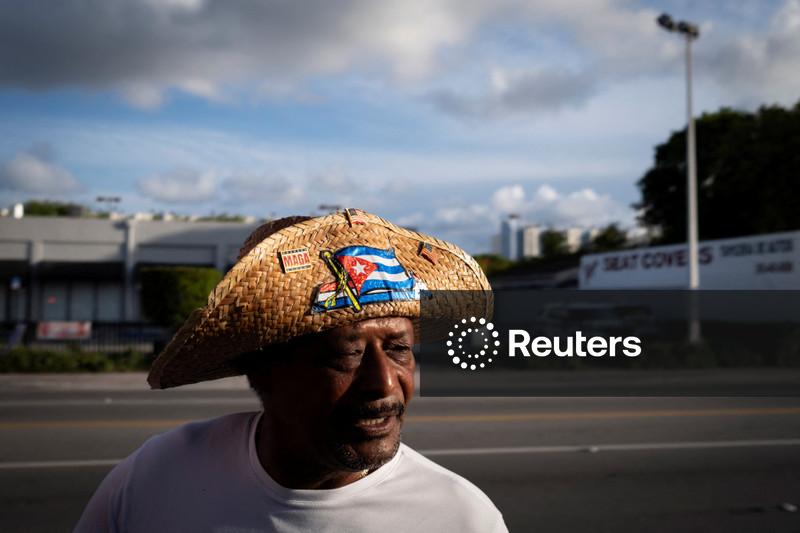
DOJ indicts Raul Castro over 1996 Brothers to the Rescue shootdown
🏦
May 20, 2026
Trump order makes immigration status a banking risk factor
May 19, 2026
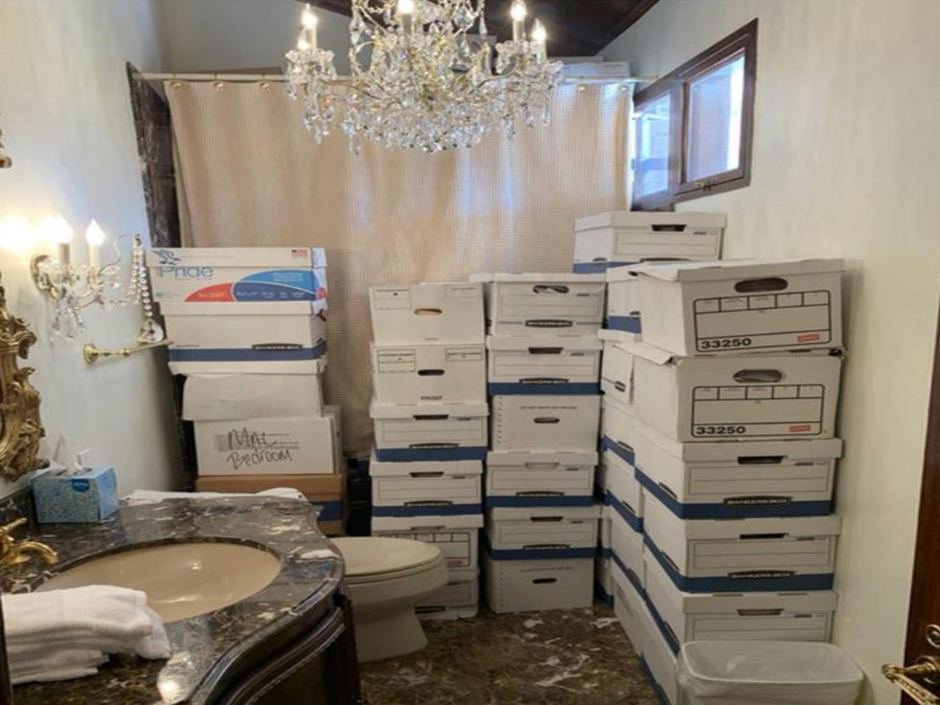
DOJ indicts former prosecutor over sealed Jack Smith report
May 19, 2026
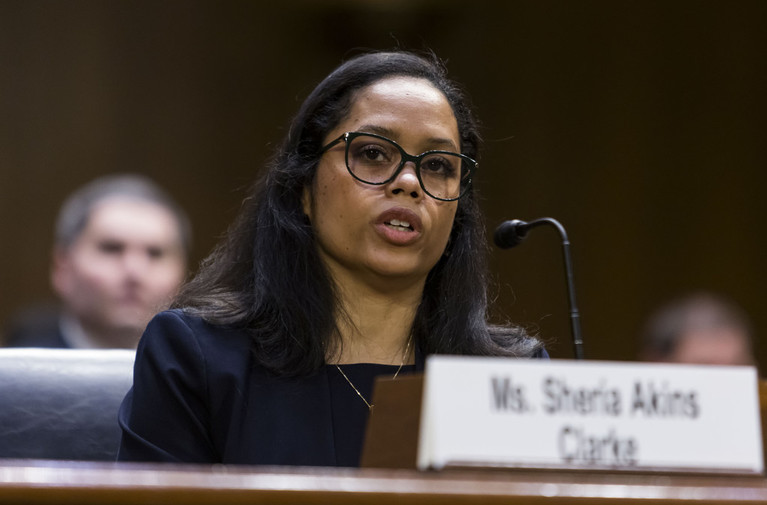
Senate confirms Sheria Clarke as federal judge despite refusal to acknowledge 2020 election results
May 19, 2026
Judge blocks ICE courthouse arrests after DOJ admits false claims
View All Constitutional Law Topics
537 topics
22 questions
Start the review