National Security · Constitutional Law·June 12, 2025
Trump federalizes California Guard over Newsom's objection
Courts ruled it illegal — troops went home December 31

On June 12, 2025, a federal district court ruled that President Trump’s federalization of California’s National Guard for immigration enforcement was unconstitutional under the Tenth Amendment (court listener docket 67892451).
The Ninth Circuit Court of Appeals immediately stayed the district court’s order, pausing enforcement of the ruling while the constitutional challenge proceeds (court listener docket 67892451).
President Donald J. Trump invoked the Insurrection Act to federalize the Guard, asserting that sanctuary policies amounted to rebellion—an unprecedented use of the statute beyond actual armed insurrections.
The district court held that immigration enforcement does not meet the Insurrection Act’s requirement of an invasion or rebellion, and that routine use of Guard units for civilian law enforcement violates state sovereignty.
Governor Gavin Newsom filed a federal lawsuit challenging the federalization and ordered Guard units back under state control, creating a direct clash between state and federal authority.
Under the Posse Comitatus Act, military forces generally may not conduct domestic law-enforcement activities; Guard units under state authority are exempt, but federalized units lose that exemption.
Federalized Guard troops have been assigned to direct arrests, detention operations, and raids alongside ICE agents, effectively militarizing immigration enforcement.
Historical practice has limited Guard federalization to actual warfare, invasions, rebellions or major natural disasters—deployments for policy enforcement represent a new constitutional boundary dispute.
Deploying Guard units for immigration enforcement reduces California’s capacity to respond to wildfires, earthquakes and other emergencies under state control.
Individual National Guard members may refuse orders they believe are unlawful or unconstitutional, but real-time legal determinations can strain unit cohesion and effectiveness.
Related Topics
6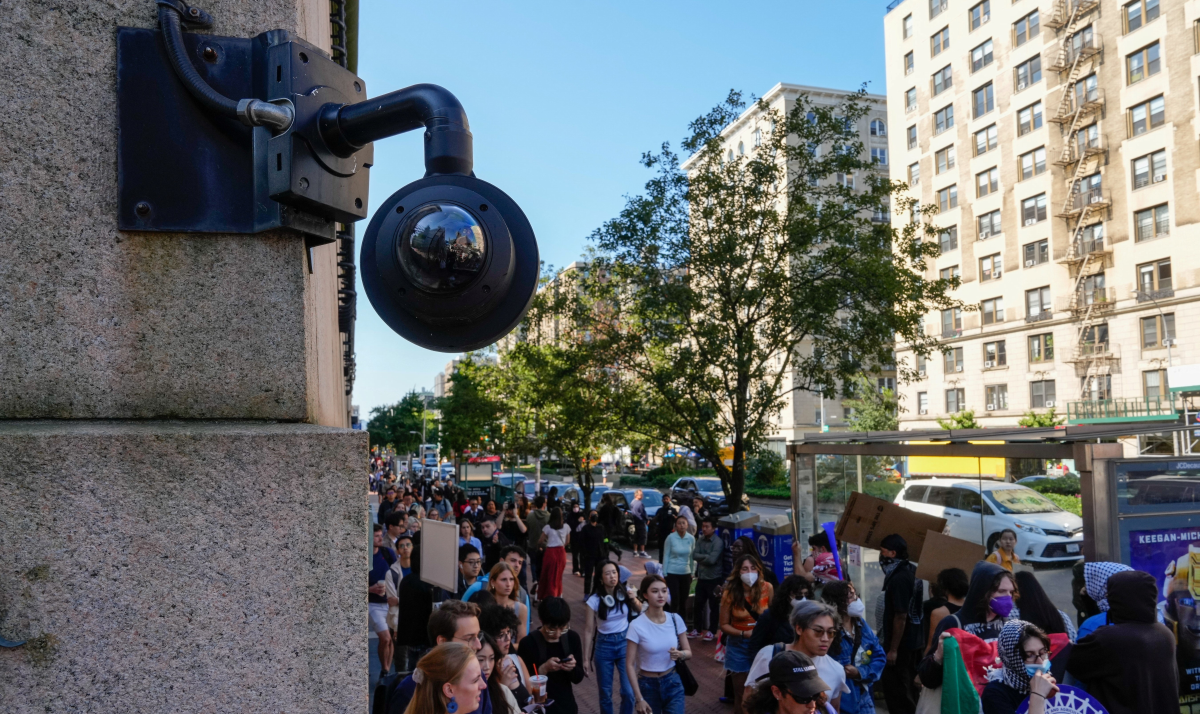
Pentagon deploys Marines under Insurrection Act for L.A. surveillance operation
Trump deploys 2,700 troops to monitor protests and track federal workers
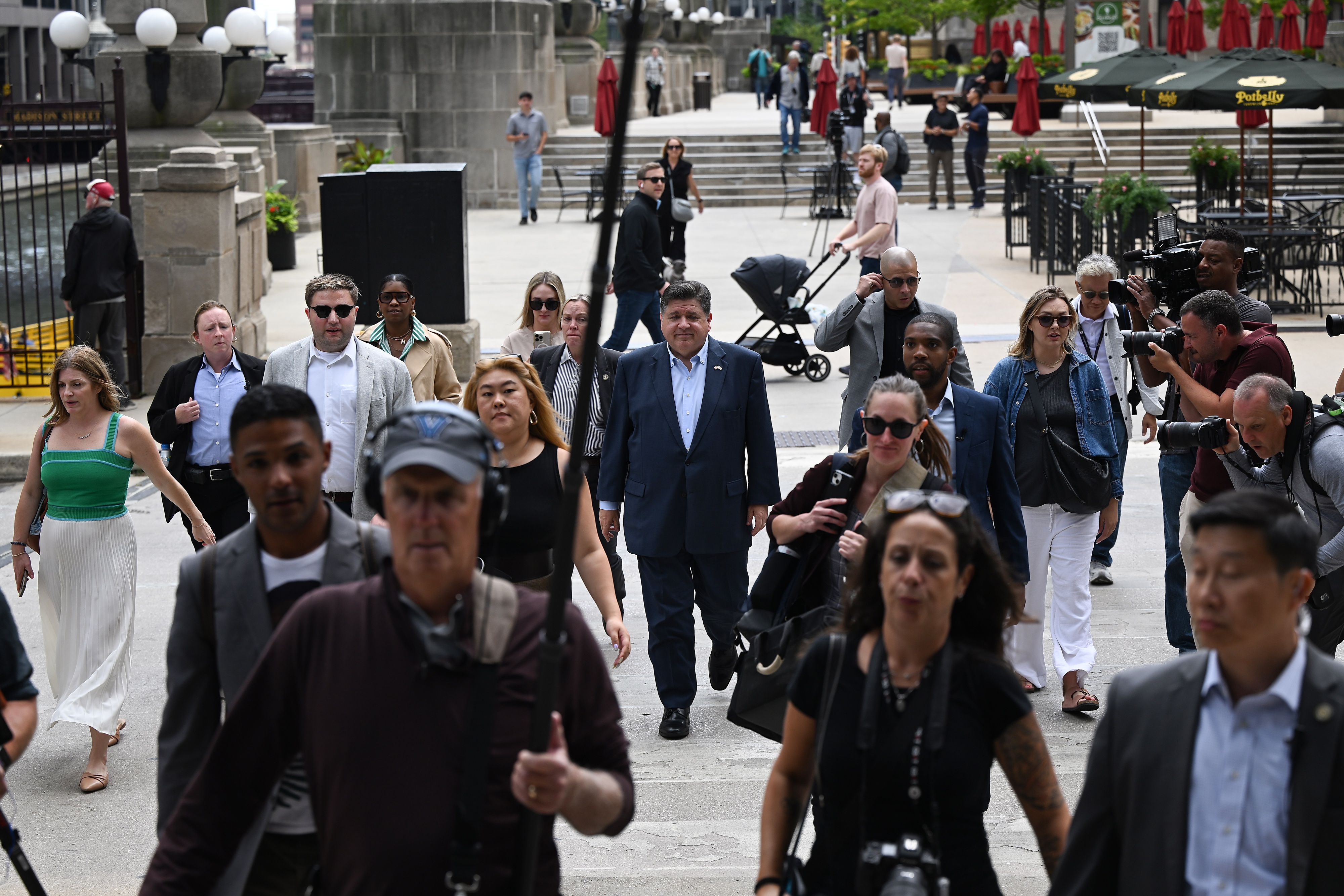
Trump threatens National Guard deployment to Chicago
State sovereignty collapses under federal occupation threats
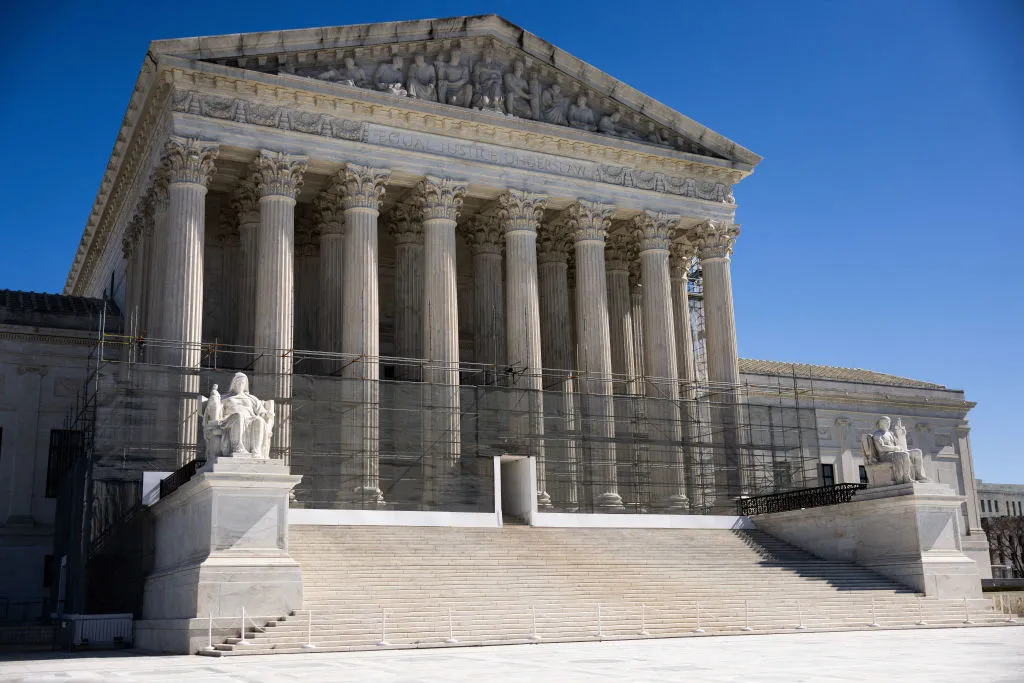
Trump asks Supreme Court to federalize Illinois Guard for ICE. Lower courts blocked deployment
Supreme Court questions whether Title 10 covers civilian law enforcement
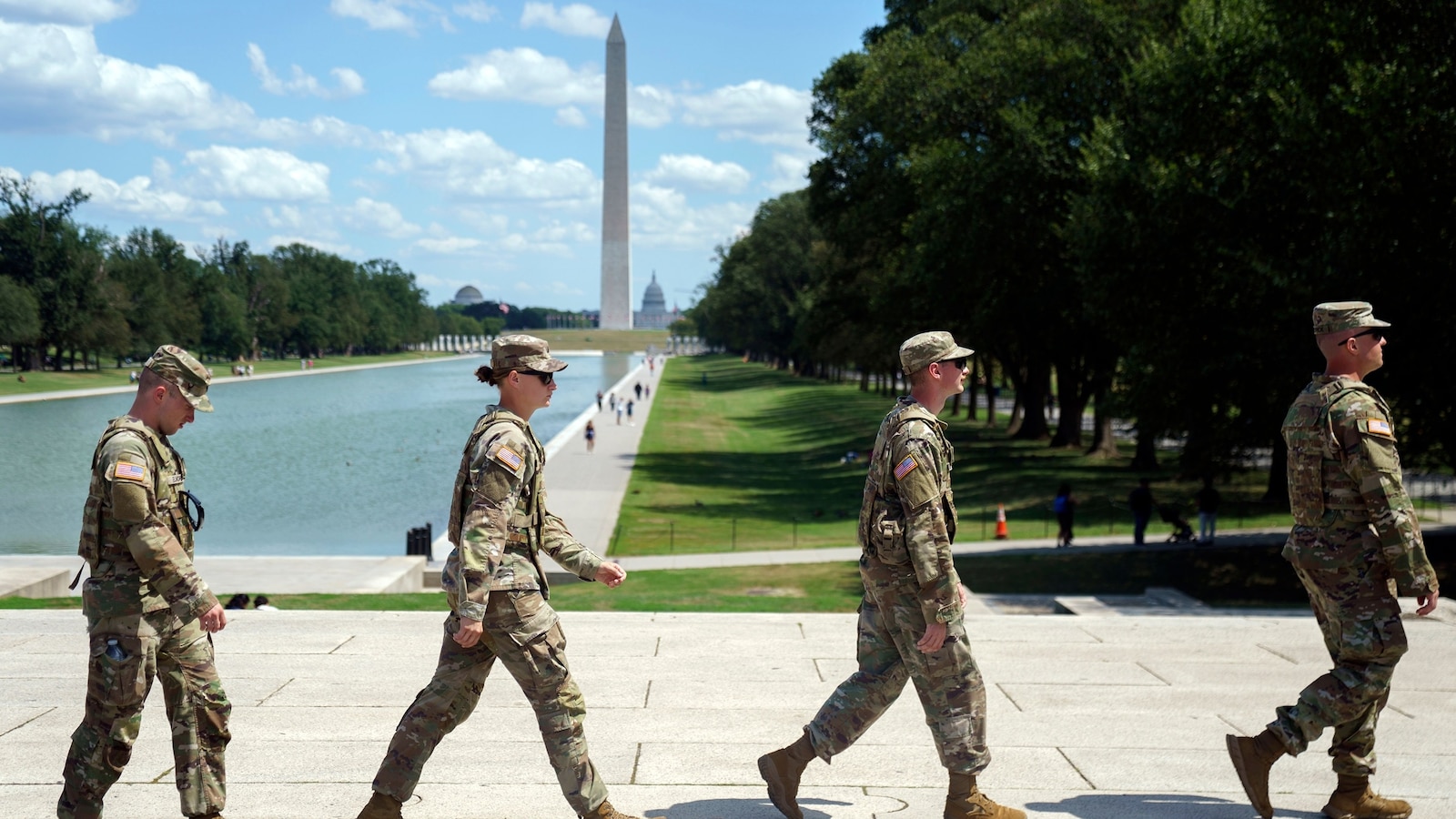
Trump deploys National Guard illegally, federal judge rules
Trump threatens troops in cities, seeks governors who will "welcome" intervention

Trump threatens troops in Democratic-led cities
Democratic mayors vow resistance to federal deployment
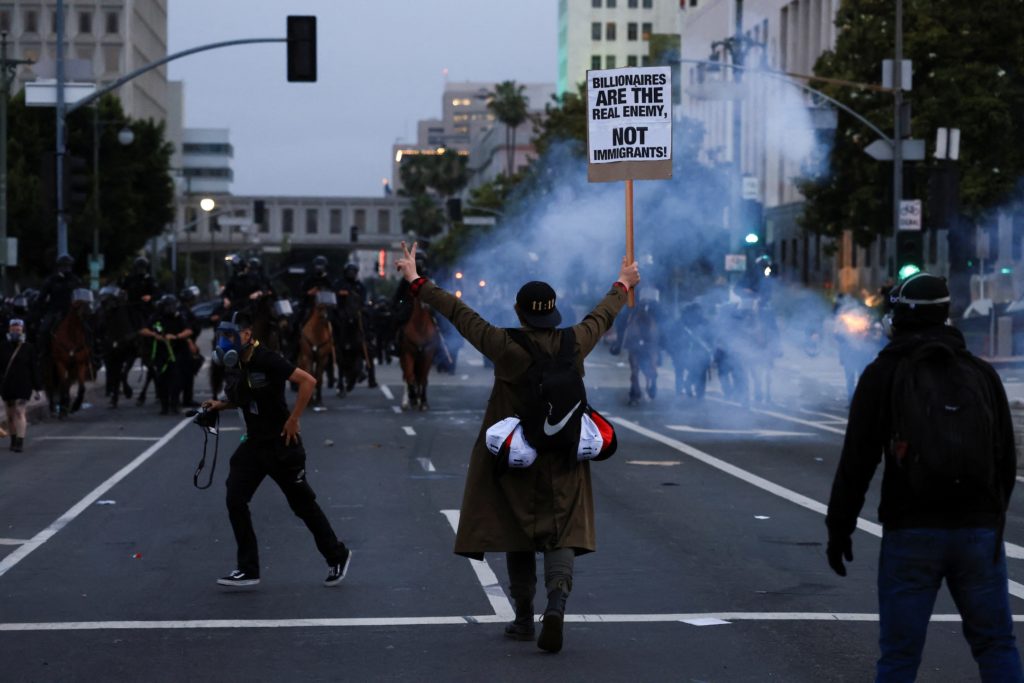
Pentagon deploys 2,700 troops as ICE raids trigger First Amendment protests
Federal troops occupy LA streets without state consent during immigration protests
13 questions
Start the review