National SecurityGovernment
October 1, 2025About 1.28M active-duty troops and 750K Defense civilians faced a payroll lapse in the 43-day 2025 shutdown
1.28 million troops worked without pay for 43 days

The federal government shut down on Oct. 1, 2025, when Congress failed to pass FY2026 appropriations, starting the longest complete shutdown in U.S. history at 43 days. All 1.28 million active-duty service members and roughly 750,000 Defense Department civilian employees faced a payroll lapse. Active-duty troops were classified as "excepted" under 31 U.S.C. § 1342 and required to keep working, but the Anti-Deficiency Act (31 U.S.C. § 1341) bars the Treasury from issuing paychecks when appropriations have lapsed. For the first time in modern history, service members faced a genuine risk of missing paychecks on Oct. 15, 2025.
The Trump administration redirected $5.3 billion from three Pentagon budget accounts to cover military paydays in October: $2.5 billion from a military housing fund specified in Trump's One Big Beautiful Act, $1.4 billion from the research, development, test and evaluation account, and $1.4 billion from the Navy shipbuilding procurement account. The Daily Treasury Statements show $4 billion disbursed to active-duty troops on Oct. 15 and $4.7 billion on Oct. 31. Lawyers at Lawfare concluded the transfers violated the Anti-Deficiency Act because the Defense Appropriations Act only permits transfers between accounts funded within the same appropriations bill.
Speaker Mike Johnson (R-LA) canceled 16 scheduled House voting days during the shutdown and told reporters on Oct. 29 that recalling the chamber would be a "futile exercise." Rep. Jen Kiggans (R-VA), a Navy veteran representing Virginia Beach, introduced H.R. 5401, the Pay Our Troops Act of 2026, with 122 bipartisan cosponsors. Johnson ruled out a standalone floor vote on Oct. 8, one day after signaling openness to the idea, saying the Senate should act first. The bill never received a committee hearing or floor vote.
Armed Services YMCA food banks near military bases saw 30-75% spikes in demand within days of the shutdown. The Pendleton Pantry at Camp Pendleton saw a 38% increase in visits and expanded hours by 14 per week. The Armed Services YMCA in Killeen, Texas, near Fort Cavazos, reported a 60% spike. Navy-Marine Corps Relief Society case workers reported clients worried about eviction and car repossession, not just groceries.
USAA delivered $150 million in zero-interest loans to approximately 45,000 members in the first 48 hours of the shutdown, with about 85% going to active-duty, National Guard, or Reserve members. By mid-November, USAA had extended over $466 million in shutdown relief to more than 133,000 service members and federal employees. The no-interest loans, capped at one net paycheck up to $6,000, were available only to members with prior direct deposit history — excluding junior enlisted troops without existing USAA accounts, who faced predatory payday lenders charging 300%+ APR.
The Government Employee Fair Treatment Act of 2019, signed by Trump during the 2018-2019 shutdown, guarantees back pay for both furloughed and excepted federal employees once funding resumes. The law does not cover defense contractors. Back pay typically takes one to two pay cycles to arrive after a shutdown ends, meaning workers who depleted savings faced an additional two-week gap even after Congress acted. The shutdown ended Nov. 12 when the House voted 222-209 to pass a continuing resolution; six Democrats joined Republicans. ACA subsidies Democrats demanded were not included.
The SBIR program — the federal government's primary R&D funding source for small businesses, providing over $4 billion in annual awards — expired on Sept. 30 and froze entirely during the shutdown. Defense small businesses on SBIR Phase I and Phase II contracts lost key employees who couldn't afford the uncertainty; several early-stage companies that depended on Phase I awards shut down entirely. Unlike federal employees, these private-sector workers received no back-pay guarantee.
National Guard troops on Title 32 orders — state-controlled but federally funded — faced termination unless their specific duties supported excepted activities, creating a disparity with Title 10 active-duty personnel who continued working unpaid. Active Guard Reserve members on federal orders kept working without pay for the duration of their AGR tours. The Defense Finance and Accounting Service, which processes roughly $120 billion in annual military pay, required two business days to execute payroll runs, meaning Congress needed to act by Oct. 13 to save the Oct. 15 payday.
The Anti-Deficiency Act traces to an 1870 appropriations rider Congress passed after the Civil War to stop agency heads from racking up 'coercive deficiencies' — obligations made without appropriations that politically forced Congress to pay after the fact. Congress strengthened the law in 1884, added apportionment controls in 1905, and criminal penalties in 1906. Today's codification at 31 U.S.C. § 1341 is the direct descendant of that 1870 provision. The 155-year-old law designed to curb executive overspending became the legal barrier that stopped 1.28 million service members from receiving paychecks in October 2025.
In the 1995-96 shutdowns under President Clinton — which ran November 13-19, 1995, and December 15, 1995 through January 6, 1996 — military personnel received full and uninterrupted pay because Congress had already enacted the full-year Defense appropriations bill before both lapses began. The 2018-19 shutdown under President Trump similarly kept most military personnel paid because DOD was funded in a separate appropriations bill that predated the lapse. The 2013 shutdown passed the Pay Our Military Act (H.R. 3210) by a 423-0 House vote hours before the lapse began, explicitly protecting military pay while leaving civilian workers unpaid. The October 2025 shutdown was the first in modern history where active-duty troops faced genuine payroll interruption because no defense appropriations bill was enacted and the Pay Our Troops Act was blocked from a floor vote.
Related Topics
3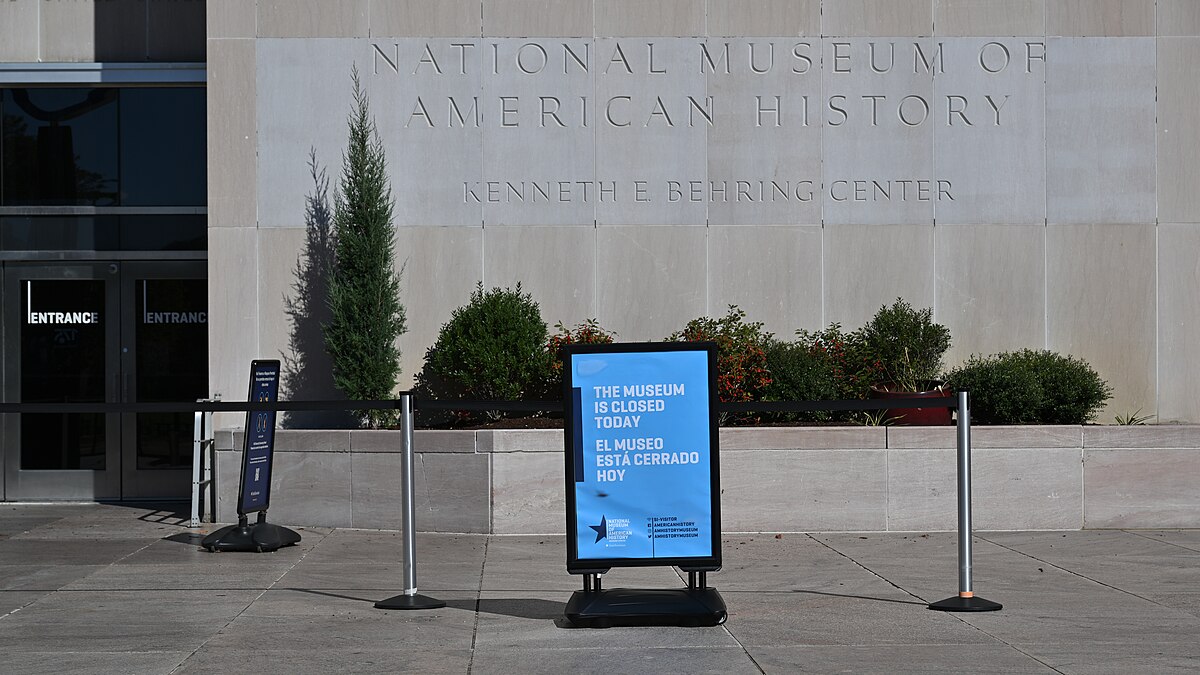
1.4 million federal workers await backpay after missing two full paychecks during shutdown
Federal workers wait for backpay as agencies struggle to process wages after longest shutdown
1.3 million service members work without pay during shutdown
Federal activation stops paychecks for troops on domestic enforcement missions
Treasury warns shutdown will hit the economy. officials reassign funds to pay troops
Executive prioritizes military paychecks while furloughing 750,000 workers without compensation
28 questions
Start the review