June 29, 2025
Top law firm partners quit after secret Trump budget deal exposed

Top lawyers flee Paul Weiss after secret Trump bill drafting exposed.
📜Constitutional Law🔐Ethics⚖️Justice
June 29, 2025
Top lawyers flee Paul Weiss after secret Trump bill drafting exposed.
Trump issued Executive Order 14231 on Mar. 14, 2025, titled "Addressing Risks from Paul Weiss." The order suspended the firm's security clearances, barred lawyers from federal buildings, and directed agencies to review and potentially terminate contracts with Paul Weiss clients. The White House cited the firm's representation of Jan. 6 defendants in civil suits and its employment of Mark Pomerantz, who investigated Trump for the Manhattan DA.
Brad Karp, Paul Weiss chairman since 2008, flew to Washington on Mar. 20 to negotiate with the administration. The firm initially planned to sue, but Karp concluded that winning in court would not solve the fundamental problem: clients perceived the firm as persona non grata with the administration and were threatening to leave. Karp told staff the firm faced an existential crisis.
The settlement required three commitments from Paul Weiss: First, $40 million in pro bono services over four years to causes including veterans assistance, combating antisemitism, and promoting fairness in the justice system. Second, the firm acknowledged that Mark Pomerantz had committed wrongdoing in his role investigating Trump. Third, Paul Weiss agreed not to adopt, use, or pursue any diversity, equity, and inclusion policies.
Trump rescinded Executive Order 14231 the same day the deal was announced, Mar. 20, 2025. He posted on Truth Social that Paul Weiss had agreed to represent clients of all political viewpoints and conduct merit-based hiring. The firm stated it would dedicate pro bono resources to mutually agreed administration projects, though chairman Karp insisted the administration would not dictate the firm's work.
Seven partners resigned from Paul Weiss within three months of the settlement. In May 2025, litigation co-chair Karen Dunn left along with partners Jeannie Rhee, William Isaacson, and Jessica Phillips to launch competing firm Dunn Isaacson Rhee LLP. Former U.S. Attorney Damian Williams departed for Jenner & Block, a firm that sued Trump rather than settling. Pro bono head Steven Banks resigned in Apr.. Former Homeland Security Secretary Jeh Johnson also left the firm.
141 Paul Weiss alumni signed an open letter on Mar. 24, 2025 protesting the firm's capitulation to Trump. The letter called the settlement a betrayal of the firm's independence and integrity. At a New York Bar Foundation gala, attorney Raymond Dowd publicly heckled Brad Karp over the deal, demonstrating the legal community's backlash against the firm's decision to settle rather than fight.
Senators Richard Blumenthal, Jamie Raskin, and Adam Schiff launched congressional investigations into the Paul Weiss agreement and similar settlements by other law firms. They sent letters to at least nine firms questioning whether the agreements constitute extortion, violate legal ethics rules, or represent abuse of executive contracting authority. The investigations examined whether forced pro bono commitments and DEI policy abandonment undermine the legal profession's independence.
The Paul Weiss settlement established a template Trump used against multiple law firms. Executive Order 14230 had previously targeted Perkins Coie. By Apr. 2025, nine major law firms had collectively agreed to nearly $1 billion in pro bono commitments to administration-selected causes under threat of executive action. Legal experts warned this creates a chilling effect on legal representation of government critics and political opponents.
How many Paul Weiss partners left after the firm cut its White House deal?
How much did Paul Weiss pledge in free legal work to the Trump administration?
Paul Weiss Chairman Brad Karp claimed the Trump administration would not be "dictating" what free legal work the firm provides.
The Paul Weiss controversy represents the first time a law firm has been targeted by presidential executive orders.
What type of "mutually agreed" projects did Paul Weiss commit to supporting?
Upgrade to Premium to access all practice questions and unlock advanced quiz features.
Upgrade to PremiumThese questions are part of the Top law firm partners quit after secret Trump budget deal exposed topic. Master this topic by completing the quiz or exploring each question in detail.
Take the full quiz to master this topic and track your progress.
Start QuizPaul Weiss Chairman
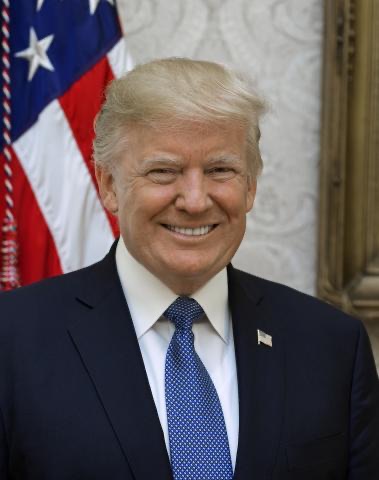
President of the United States
Former Paul Weiss Partner and Manhattan DA Special Prosecutor
Paul Weiss Litigation Co-Chair
Paul Weiss Partner
Former U.S. Attorney for Southern District of New York
Head of Paul Weiss Pro Bono Practice
Former Homeland Security Secretary and Paul Weiss Partner
civic monitoring
Monitor executive actions targeting legal representation
Track executive orders and agency directives that target law firms or lawyers for representing specific clients or causes. This helps identify patterns of government retaliation against legal professionals and potential violations of attorney-client privilege or First Amendment rights.
I am tracking Executive Order 14231 and similar orders targeting law firms. Can you confirm: (1) What legal basis authorizes targeting firms for past client representation? (2) How does this comply with First Amendment protections for legal advocacy? (3) What oversight mechanisms prevent abuse of executive power against the legal profession?
civic action
Contact congressional oversight committees about law firm targeting
Senators Richard Blumenthal and Jamie Raskin are investigating the Trump administration pressure campaign against law firms. Contact them to support oversight efforts examining whether these agreements violate legal ethics rules, constitutional protections, or represent extortion under color of law.
I am concerned about executive orders forcing law firms into financial settlements to avoid retaliation. I support Senator Blumenthal and Representative Raskin investigation into the Paul Weiss agreement. Please investigate: (1) Whether the $40M pro bono commitment violates extortion statutes, (2) How this chills legal representation of government critics, (3) What statutory remedies exist to prevent executive abuse of contracting authority.
civic action
Support legal ethics reforms preventing political interference
Contact your state bar association to advocate for stronger protections against government retaliation targeting lawyers for client representation. Push for ethics rules explicitly prohibiting law firms from altering pro bono priorities or abandoning clients due to executive pressure.
The Paul Weiss settlement with Trump raises urgent legal ethics questions. I urge the ABA to: (1) Issue guidance on whether agreements to acknowledge wrongdoing by lawyers violate attorney-client privilege, (2) Prohibit law firms from abandoning DEI policies or pro bono clients under government pressure, (3) Create whistleblower protections for lawyers who refuse to participate in politically coerced settlements.