National SecurityConstitutional LawGovernmentHistorical PrecedentLegislative Process
March 2, 2026Pentagon told Congress Iran attack was not imminent as Trump claimed threat
Trump said "imminent threat." His own intelligence said 2035, at the earliest

On March 1, 2026 — the day after Operation Epic Fury launched — Pentagon officials briefed bipartisan congressional staff from several national security committees for over 90 minutes. Three people familiar with the briefings told the Associated Press that administration officials acknowledged U.S. intelligence did not suggest Iran was preparing to launch a preemptive strike against U.S. forces. Officials instead cited Iran's ballistic missiles and regional proxy forces as general threats — a threat posture that, sources noted to Newsweek, had existed for years before the strikes were authorized. U.S. News The Spokesman-Review
The private briefing directly contradicted Trump's public announcement of the war. In his video posted at 3 a.m. on February 28, Trump said the goal was to eliminate "imminent threats from the Iranian regime" and protect the American people. Senior White House officials told reporters the day of the strikes that Iran had indicators suggesting it might launch preemptive attacks on U.S. bases that could create mass casualties. The Pentagon briefers the next day pointed to no such evidence. CNN and Newsweek both confirmed the contradiction independently through multiple sources familiar with the briefings. CNN The Diplomatic Insight
The ICBM threat claim collapsed under independent scrutiny. In his State of the Union on February 24, 2026, Trump said Iran was developing "long range missiles that could soon reach the American homeland." A May 2025 Defense Intelligence Agency assessment — an unclassified, congressionally mandated report — said Iran could develop a militarily viable ICBM by 2035 "should Tehran decide to pursue the capability." That 10-year conditional projection was the standing intelligence estimate. Daryl Kimball, executive director of the Arms Control Association, told PolitiFact: "The U.S. intelligence community has been making a similar assessment since the mid-1990s." The milestone kept being pushed further into the future as Iran chose not to prioritize long-range missile development. CNN
The nuclear obliteration claim had also already been contradicted by the DIA. After the June 2025 strikes on Iran's nuclear facilities at Fordow, Natanz, and Isfahan, the White House declared Iran's nuclear program "completely and totally obliterated." A classified DIA assessment produced within days of those strikes found they had set Iran's nuclear program back by only a few months, not permanently destroyed it. CNN first reported the finding; Nextgov and other outlets confirmed it. The White House did not acknowledge the DIA report publicly. By November 2025, a White House document quietly conceded the strikes had "significantly degraded" Iran's nuclear program — not eliminated it. CNN
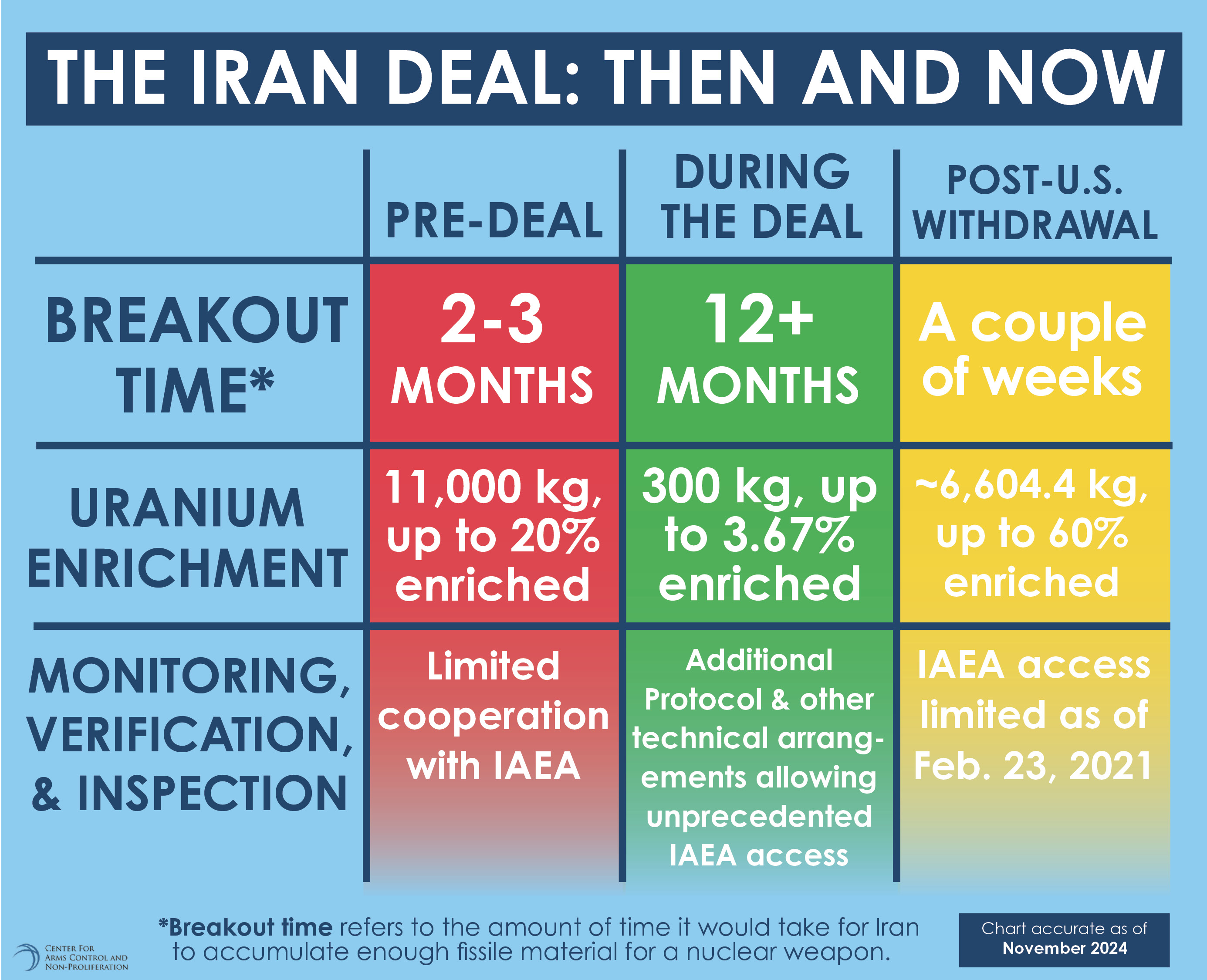
Trump's own Secretary of State broke with his boss's public line days before the war. When reporters asked Rubio on February 25, 2026, how far away Iran was from missiles capable of reaching the U.S., he said he "wouldn't speculate." That non-answer landed four days after Trump envoy Steve Witkoff had told Fox News that Iran was "probably a week away from having industrial grade bomb making material" — a claim nuclear policy experts called implausible. The International Atomic Energy Agency, which tracks Iran's program, had been unable to independently verify the status of Iran's nuclear capabilities since Trump withdrew from the JCPOA in 2018 and Iran restricted IAEA access. The Diplomatic Insight
The gap between public justification and private intelligence disclosure produced immediate bipartisan alarm in Congress. Democratic Sen. Andy Kim of New Jersey told Politico: "This is an example of the president deciding what he wanted to do, and then making his administration go find whatever argument they could make to justify it." Sen. Mark Warner of Virginia, senior Democrat on the Senate Intelligence Committee, said he had "serious concerns about the justification for the strikes." Republican Rep. Thomas Massie stated there was no "imminent threat to the United States" from Iran and called the strikes unconstitutional. Rep. Eric Swalwell said the administration had shown "zero evidence that anything changed in Iran from last year when the president did not come to Congress." U.S. News CNN
The constitutional stakes were direct. The Resolution of 1973 allows the president to deploy military force for 60 days without congressional authorization only when responding to an attack on the United States, its territories, or its armed forces, or in a national emergency created by such an attack. An "imminent threat" is the standard executive branch workaround for authorizing strikes without a congressional declaration of war. If the Pentagon itself acknowledged privately that no attack was imminent or planned, that legal justification falls apart — converting the war from a constitutional gray area into a harder-to-defend unilateral presidential action. Three U.S. troops were killed in retaliatory Iranian strikes by the morning of March 1, with five more seriously wounded. Congress.gov CRS C-SPAN
The Iraq War parallel was invoked immediately and widely. In 2002 and 2003, the Bush administration publicly claimed Saddam Hussein possessed weapons of mass destruction and posed an imminent threat. Post-war investigations — including the Senate Intelligence Committee's bipartisan 2008 report and the Downing Street Memo — found that intelligence was exaggerated and that policy had been fixed around a predetermined decision to invade. The Council on Foreign Relations has documented this pattern across multiple administrations: threat inflation in the lead-up to military action, private intelligence that doesn't match public claims, and congressional briefings designed to inform rather than authorize. Multiple Democratic members directly cited the Iraq precedent, with Hakeem Jeffries saying Trump "misled the country about his intentions" just as Bush had done 23 years earlier. CNN GlobalSecurity.org
Related Topics
6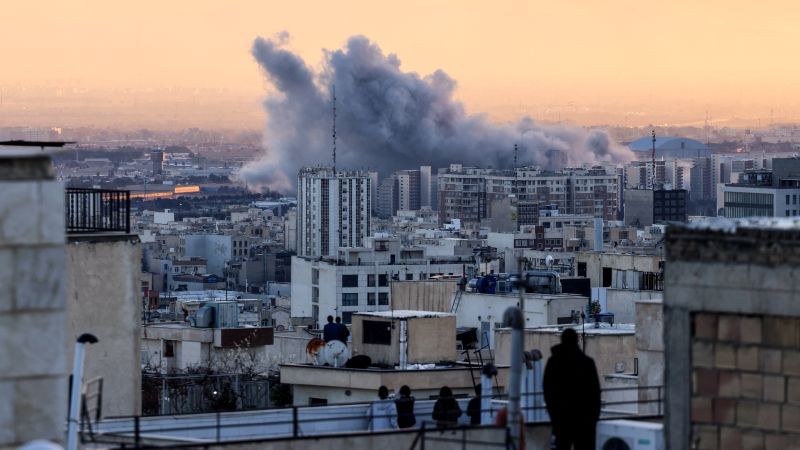
Trump starts Iran war without Congress triggering constitutional crisis
No vote, no declaration — Trump says American heroes may die in this war

They all promised no regime change in Iran. The record says otherwise
Trump, Vance, Hegseth, Rubio said it. Greene and Carlson documented the betrayal
Congress scrambles to vote on war powers after Iran strikes begin
Bipartisan resolution demands Trump get Congress approval for Iran war
House rejects Iran war powers 219-212 as four Democrats side with Trump, cementing unilateral presidential war authority
Four Democrats crossed the aisle to help kill the measure, Congress has not declared war since 1942
Only eight lawmakers knew about Iran strikes while Congress received no legal briefing
Rubio briefed party leaders but gave no legal justification before bombs fell

US and Iran resume nuclear talks as two carrier strike groups mass in Persian Gulf
US deploys F-22s to Israel for first time, two carrier groups now in region
25 questions
Start the review