SCOTUS rules 9-0 for NJ pregnancy center in donor privacy case
Ruling opens federal courts to groups facing state investigative subpoenas
Ruling opens federal courts to groups facing state investigative subpoenas
First Choice Women's Resource Centers, a faith-based nonprofit operating five locations across New Jersey, received a November 2023 subpoena from then-Attorney General Matthew Platkin seeking thousands of pages of documents — including donor identities, marketing materials, and the names of medical personnel. The subpoena was part of a state investigation under the Consumer Fraud Act, the Charitable Registration and Investigation Act, and the Professions and Occupations Act. New Jersey alleged First Choice misled donors and potential clients into believing the centers provided abortions and other reproductive health services they do not offer.
First Choice challenged the subpoena in federal court before complying, arguing that the demand for donor information chilled its First Amendment rights of free speech and association. Federal courts twice dismissed the challenge as premature, ruling that First Choice had not yet suffered a sufficient injury because the state had not yet compelled production of documents under threat of contempt. The Third Circuit affirmed that First Choice must first exhaust state court proceedings before a federal court could review its constitutional claims.
Associate Justice, U.S. Supreme Court
Gorsuch wrote the unanimous opinion in First Choice v. Davenport, reversing the lower courts and allowing First Choice to pursue its First Amendment challenge in federal court. He grounded the decision in decades of precedent protecting organizations' right to keep donor information private, beginning with NAACP v. Alabama (1958). His opinion did not decide whether the subpoena itself violates the First Amendment.
Former New Jersey Attorney General (Democrat, served 2022-January 2026)
Platkin issued the November 2023 subpoena to First Choice Women's Resource Centers as part of a consumer fraud investigation following the Dobbs decision. He sought donor identities, marketing materials, and medical personnel records. He argued the subpoena was lawful and that First Choice could not challenge it in federal court before it was enforced. He left office in January 2026 when a new governor was inaugurated.
New Jersey Attorney General (2026–present)
Davenport succeeded Platkin and became the named defendant in the Supreme Court case after Platkin's departure. Following the ruling, she stated the decision was procedural and that New Jersey will continue the underlying investigation and defend the subpoena in lower federal court. She emphasized that nonprofits operating in New Jersey must comply with consumer fraud laws regardless of their mission.
Executive Director, First Choice Women's Resource Centers
Huber publicly described the investigation as politically motivated, saying Platkin had gone to 'great lengths' to intimidate First Choice's life-saving work for women and children. She said the Supreme Court's ruling protects the organization's right to operate in federal court without interference from officials who disagree with its pro-life mission.
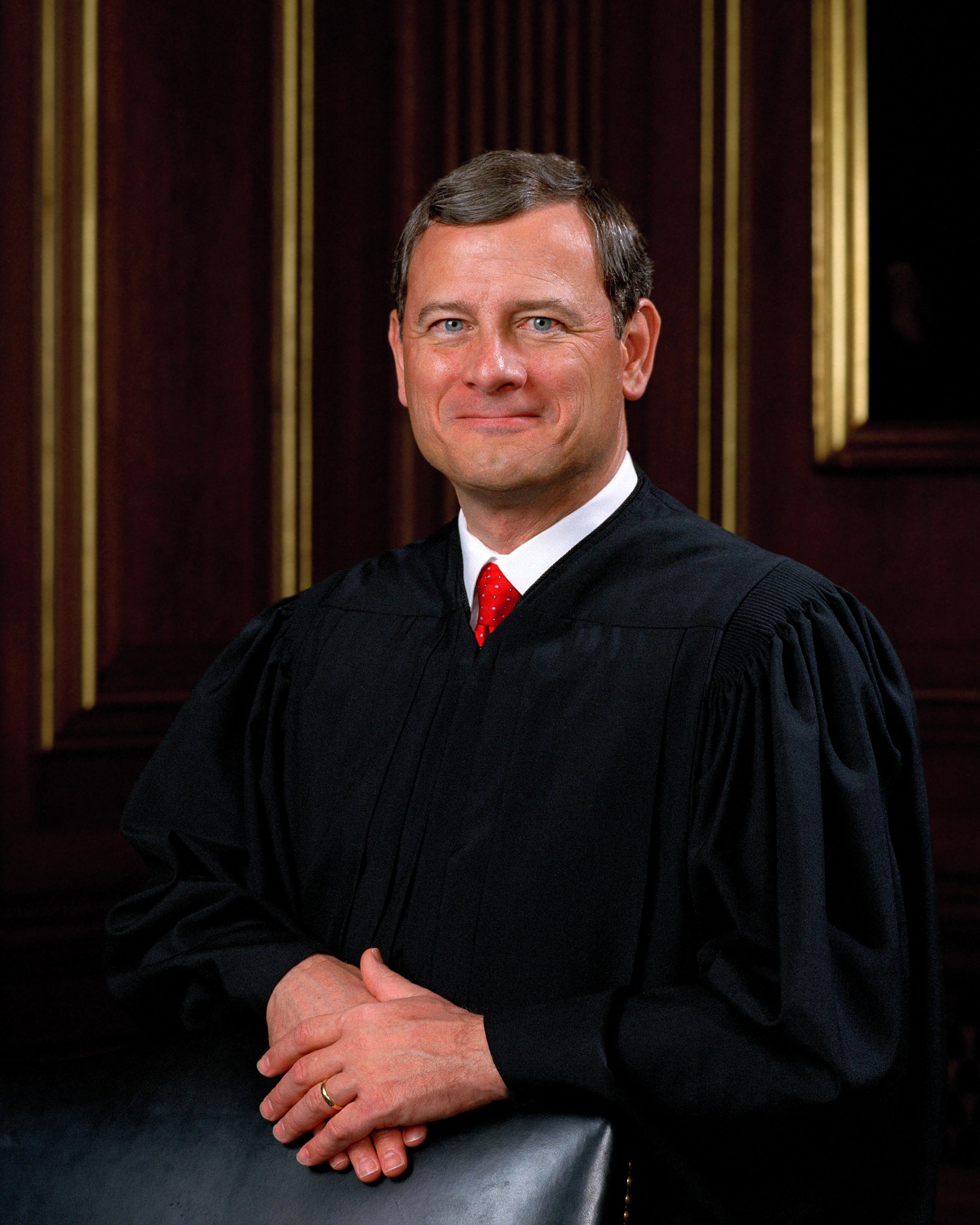
Chief Justice, U.S. Supreme Court
Roberts joined the unanimous opinion, having previously expressed skepticism during oral argument about New Jersey's position that its subpoena did not implicate the First Amendment. His willingness to join a unanimous decision against state investigative authority over a nonprofit donor list involves the broad coalition the First Amendment associational rights doctrine commands across the Court's ideological spectrum.
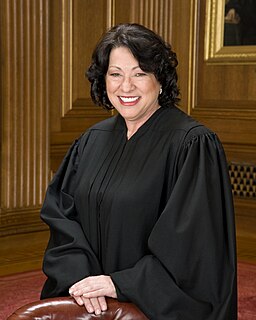
Associate Justice, U.S. Supreme Court
Sotomayor joined the unanimous opinion, representing the Court's liberal wing agreeing with the procedural outcome despite supporting abortion rights. Her participation in a 9-0 ruling favoring an anti-abortion organization illustrates the cross-ideological strength of First Amendment associational rights doctrine as articulated in decades of NAACP-era precedents.
U.S. District Judge, District of New Jersey
Judge Shipp dismissed First Choice's federal complaint twice, finding the claims unripe because First Choice could still litigate its constitutional arguments in state court without an immediate risk of contempt. His rulings were the decisions the Supreme Court reversed. The case will now return to his court for a substantive decision on whether the subpoena violates the First Amendment.
Solicitor General, New Jersey (argued for the State in the Third Circuit)
Feigenbaum argued the New Jersey Attorney General's position before the Third Circuit in the First Choice Women's Resource Centers case, defending the state's authority to issue the investigatory subpoena under consumer fraud law. He maintained that First Choice must litigate its constitutional claims in state court rather than federal court. His arguments were largely accepted by both the district court and the Third Circuit before the Supreme Court agreed to hear the appeal.
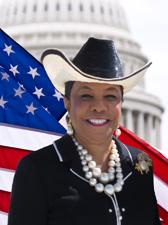
Senior Counsel, Alliance Defending Freedom
Wilson argued First Choice Women's Resource Centers' position before the Third Circuit on behalf of Alliance Defending Freedom, the conservative legal organization that has represented First Choice throughout the litigation. ADF framed the case primarily as a First Amendment donor privacy case, arguing that federal courts must be available to hear constitutional challenges to state investigatory demands without requiring organizations to risk enforcement first.
True
The Supreme Court ruled 9-0 in favor of First Choice
Multiple news sources and the official case record confirm the unanimous 9-0 decision. All nine justices joined Gorsuch's opinion. [1][2]
True
The ACLU supported First Choice's First Amendment argument
The ACLU of New Jersey and the national ACLU filed an amicus brief supporting First Choice's right to challenge the subpoena in federal court, while noting they support abortion rights. The brief was authored in partnership with the Foundation for Individual Rights and Expression. [1][2]
True
The subpoena demanded First Choice turn over its donor lists
The subpoena sought donor identities, marketing materials, and the names of medical personnel affiliated with the centers. Attorney General Platkin sought this information to identify donors who may have been misled by First Choice's representations. [1][2]
True
First Choice operates five locations in New Jersey
Multiple sources confirm First Choice Women's Resource Centers operates five locations across New Jersey. [1][2]
False
The ruling decided that the subpoena itself violates the First Amendment
The ruling was procedural only: it decided that First Choice has standing to challenge the subpoena in federal court before enforcement. The Court explicitly did not decide whether the subpoena is unconstitutional. That question returns to the district court. [1][2]
False
The ruling's precedent will only help anti-abortion organizations
The ruling establishes a neutral procedural rule that any organization — liberal, conservative, religious, secular — can invoke when a state agency subpoena threatens to reveal its donors. The ACLU supported the ruling precisely because it protects all organizations from government surveillance of their donor relationships, citing precedents developed to protect civil rights groups from segregationist state governments. [1][2]
Learn your organization's rights if it receives a government subpoena
legal awareness
Government agencies at all levels issue subpoenas to nonprofits, advocacy groups, and businesses. The Callais ruling clarifies that organizations facing demands for donor information can immediately challenge those demands in federal court if they can show a chilling effect on associational rights. Understanding these rights before a subpoena arrives helps organizations respond effectively.
Submit comments on New Jersey's ongoing investigation process
civic action
New Jersey's investigation of First Choice continues in both state and federal courts. New Jerseyans can contact the Attorney General's office to provide input on how consumer fraud laws should be applied to nonprofit organizations, including what investigative safeguards should apply to demands for donor information.
Track the case on remand to federal district court
civic awareness
The Supreme Court sent the case back to the U.S. District Court for New Jersey for a decision on whether the subpoena itself violates the First Amendment. The outcome of that proceeding will determine whether the donor information must be produced and may set important precedent for how states can investigate nonprofit organizations.