ImmigrationConstitutional Law
December 5, 2025Supreme Court agrees to hear Trump's birthright citizenship ban, signaling willingness to strip citizenship from millions born in US
Millions born in US could lose automatic citizenship under Supreme Court challenge
President Trump signed Executive Order 14160 on Jan. 20, 2025, his first day in office, attempting to end for children born in the United States whose parents lack legal immigration status or are temporarily in the country on work, student, or tourist visas
The order denies citizenship to children unless one parent is a U.S. citizen or lawful permanent resident at birth
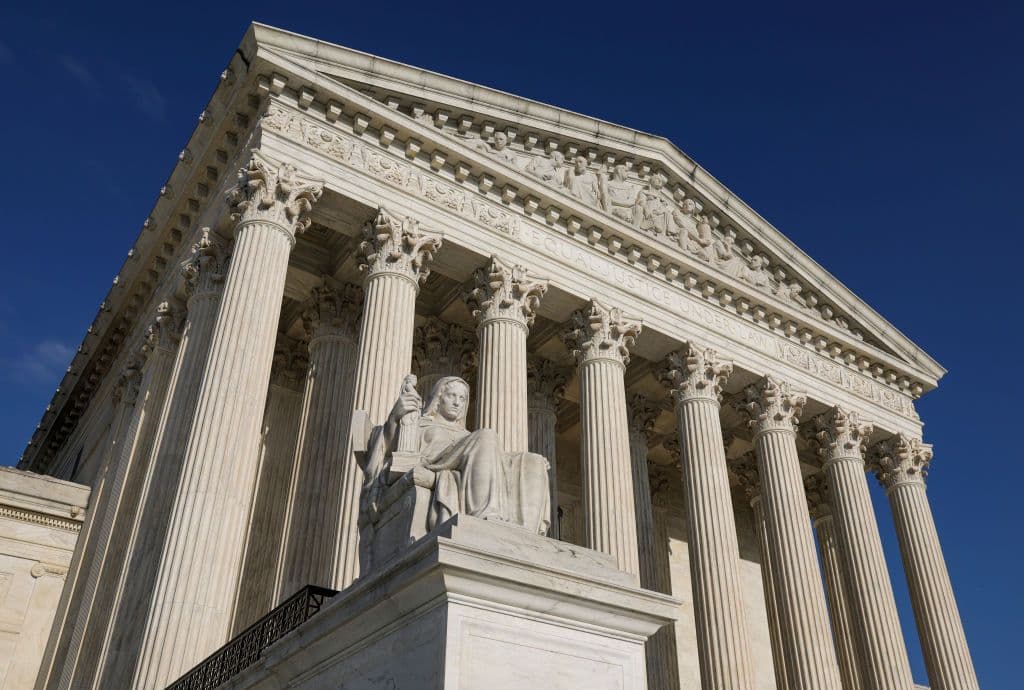
On Dec. 5, 2025, the Supreme Court agreed to hear Barbara v Trump, a constitutional challenge to the executive order, with oral arguments scheduled for spring 2026 and a ruling expected by summer 2026.
The 14th Amendment's , ratified in 1868 after the Civil War, states 'All persons born or naturalized in the United States, and subject to the jurisdiction thereof, are citizens of the United States.' The amendment was designed to overturn Dred Scott v. Sandford, which had declared that Black Americans couldn't be citizens, and to guarantee citizenship to formerly enslaved people. Congressional records show the framers intended the clause to include children of immigrants regardless of their parents' legal status, with only narrow exceptions for children of foreign diplomats and invading armies.
The Supreme Court's 1898 decision in United States v. Wong Kim Ark established that birthright citizenship applies to children born in the U.S. even when their parents can't become citizens themselves. Wong Kim Ark was born in San Francisco to Chinese immigrant parents who were barred from naturalization by the Chinese Exclusion Act.
When he was denied re-entry to the U.S. after traveling abroad, the Supreme Court ruled 6-2 that the 14th Amendment made him a citizen automatically at birth. The Court held that 'subject to the jurisdiction thereof' means being required to obey U.S. law, excluding only children of diplomats and enemy occupiers.
Trump's executive order reinterprets 'subject to the jurisdiction thereof' to mean complete and exclusive jurisdiction, arguing that children whose parents owe allegiance to another country aren't fully under U.S. jurisdiction at birth. This interpretation contradicts 126 years of precedent and would strip citizenship from an estimated 150,000 children born in the U.S. each year. Legal scholars note this interpretation was rejected in Wong Kim Ark and appears designed to circumvent the constitutional amendment process by executive action.
Multiple federal courts blocked the executive order immediately after Trump signed it
The 9th Circuit Court of Appeals ruled in Washington v
Trump that the order 'violates the 14th Amendment's citizenship clause' and upheld a nationwide injunction Judge Joseph Laplante of the U.S District Court of New Hampshire granted class action status to Barbara v Trump on Jul. 10, 2025, certifying a class of 'born and unborn babies who would be deprived of their citizenship' and issuing a preliminary injunction protecting all affected children nationwide.
The ACLU filed Barbara v
Trump on Jun. 27, 2025, the same day the Supreme Court ruled in Trump v
CASA that federal district courts can't issue nationwide injunctions—except in properly certified class actions The ACLU's legal strategy exploited this exception by filing a class action representing 'Barbara,' a pseudonymous asylum applicant from Honduras expecting a child in New Hampshire, along with all similarly situated families Judge Laplante's certification created a class encompassing all babies affected by the executive order, effectively achieving a nationwide block despite the CASA ruling.
The executive order threatens to create a permanent underclass of stateless children born in the United States
Children denied citizenship at birth would lack passports, Social Security numbers, the right to vote when they reach adulthood, and access to federal benefits
They could face deportation to countries they've never known, where they may not speak the language or have any family connections This would violate international human rights law against statelessness and create enforcement chaos as states determine who qualifies for driver's licenses, public schools, and other services.
The Supreme Court's conservative 6-3 supermajority gives Trump a realistic chance of overturning Wong Kim Ark and radically reinterpreting the 14th Amendment
If the Court sides with Trump, it would mark one of the most dramatic reversals of constitutional precedent in American history, comparable to overturning Roe v
Wade Such a ruling would allow presidents to unilaterally redefine citizenship through executive orders, bypassing Congress and the constitutional amendment process that the framers designed as the proper method for changing fundamental rights.
Related Topics
3
Supreme Court hears birthright citizenship case that could test a 125 year old rule
Case could redefine who is guaranteed citizenship at birth in the United States

Trump expands travel ban effective Jan. 1 to more countries
New travel restrictions take effect immediately as asylum seekers lose CBP One access

Trump considers executive order requiring banks to collect citizenship data
Banks call proposed citizenship data order "unworkable" — half of Americans lack passports
15 questions
Start the review