January 12, 2026
Trump imposes 25 percent tariff on Iran trading partners creating global trade uncertainty

Vague tariff order creates uncertainty for China, India, Turkey trade
🌍Foreign Policy💰Economy🏛️Government
January 12, 2026
Vague tariff order creates uncertainty for China, India, Turkey trade
President  Donald Trump announced on Jan. 12, 2026, that any country doing business with the Islamic Republic of Iran will face a 25% tariff on "any and all business being done with the United States of America." Trump stated the tariffs were "effective immediately" and confirmed on Tuesday, Jan. 13, that they "just went into effect."
The tariff applies to dozens of countries, including major U.S. trading partners. China is Iran's largest trading partner, exporting $6.2 billion worth of goods to Iran and importing $2.85 billion in the first 11 months of 2025. Analysts estimate China accounts for over 90% of Iran's oil trade, making it the most significantly affected nation.
Other major Iran trading partners facing the 25% tariff include India, Russia, Turkey, Iraq, and the United Arab Emirates. This could mean higher prices for American importers of products from these nations and potential retaliatory tariffs that would escalate into broader trade conflicts.
The White House did not immediately provide details on how the tariff will be implemented or define what activities constitute "doing business" with Iran. Questions remain about whether the tariff applies to all trade volume from affected countries or only to specific transactions tied to Iranian commerce, and whether it stacks on existing tariffs.
Trump's tariff announcement came amid escalating tensions with Iran over the government's violent crackdown on anti-government protests. On Jan. 13, Trump urged Iranians to keep protesting, posting "HELP IS ON ITS WAY" and warning Iran against executing protesters, as the death toll exceeded 2,400.
The tariff represents one of the broadest unilateral trade restrictions in modern U.S. history, potentially disrupting hundreds of billions of dollars in annual trade flows. Legal and economic experts questioned whether the president has authority to impose such sweeping tariffs without congressional approval or clear national security justification.
Previous Trump administration trade policies included imposing tariffs on countries buying Russian oil. In Aug. 2025, India faced a minimum 50% tariff for buying Russian oil. If Trump's Iran tariffs are enforced similarly, countries like India could face cumulative tariffs of 75% or higher on goods entering the United States.
On what date did President Trump announce 25% tariffs on countries doing business with Iran?
What phrase did Trump use to describe when the Iran tariffs would take effect?
What tariff rate did Trump impose on countries trading with Iran?
True or False: India has completely stopped importing Iranian oil since 2018 sanctions were reimposed.
True or False: Japan and South Korea currently import Iranian oil under U.S. sanctions exemptions.
Upgrade to Premium to access all practice questions and unlock advanced quiz features.
Upgrade to PremiumThese questions are part of the Trump imposes 25 percent tariff on Iran trading partners creating global trade uncertainty topic. Master this topic by completing the quiz or exploring each question in detail.
Take the full quiz to master this topic and track your progress.
Start Quiz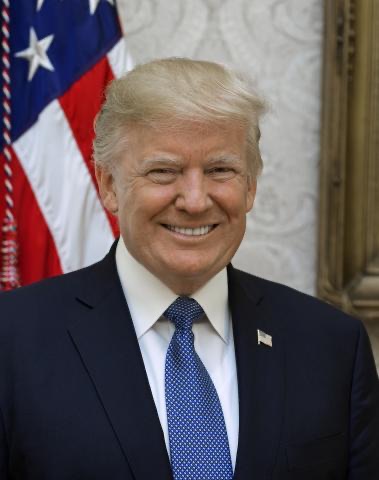
President of the United States
Treasury Secretary

Senate Finance Committee Chair (R-ID)
House Ways and Means Committee Chair (R-MO)
China Foreign Ministry Spokesperson
U.S. Chamber of Commerce President

U.S. Senator (R-KY)
civic action
Contact Senate Finance Committee to demand clear legal framework for tariffs
The Senate Finance Committee has constitutional authority over trade policy and can hold oversight hearings on executive tariff actions. Chair Crapo already said he's seeking clarity.
Hi, I'm calling to support Chairman Crapo's request for clarity on Trump's Iran tariff order and demand congressional oversight.
Key points to mention:
Questions to ask:
Specific request: I want oversight hearings and legislation requiring clear legal framework before tariffs affecting hundreds of billions in trade take effect.
Thank you.
civic action
Contact House Ways and Means Committee to support Chairman Smith's concerns
The House Ways and Means Committee originates all revenue legislation and can restrict presidential tariff authority through legislation.
Hi, I'm calling to support Chairman Smith's statement that 'undefined trade policy creates uncertainty that harms American businesses and consumers.'
Key points to mention:
Questions to ask:
Specific request: I want the committee to hold hearings and consider legislation requiring clear definitions and implementation timelines for tariffs.
Thank you.