Immigration · Economy · Civil Rights · Policy Analysis·May 20, 2026
Trump uses anti-money-laundering law to flag immigrant bank accounts
Trump order tells banks to flag immigrant ITIN accounts as risky
On May 20, 2026, President 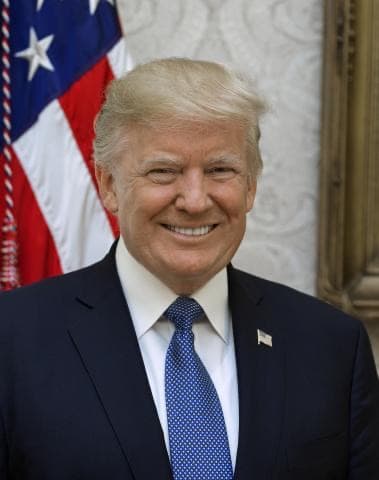 Trump signed an 📖executive order titled "Restoring Integrity to America's Financial System," directing Treasury Secretary
  Scott Bessent to issue a formal advisory to banks that flags the use of an Individual Taxpayer Identification Number (ITIN) as a suspicious activity indicator under the 📖Bank Secrecy Act. ITINs are tax-processing numbers issued by the IRS to people who owe taxes but don't have a Social Security number — a category that includes millions of immigrants regardless of status.
The order doesn't require banks to close accounts or deny services outright. Instead, it directs regulators to identify ITIN use alongside cash structuring, shell companies, and off-the-books wage payments as "red flags" warranting enhanced scrutiny. Within 90 days, Treasury must propose changes to 📖Bank Secrecy Act regulations to strengthen what it calls "risk-based customer 📖due diligence requirements."
Banks routinely close accounts when customers appear on advisory red-flag lists, even without a legal mandate to do so. The National Consumer Law Center's Diane Thompson called it "debanking on an unprecedented scale" if regulators implement the order fully. According to a 2024 Urban Institute study, between 5,000 and 6,000 mortgages were issued to ITIN holders in 2023, a number that could fall sharply as banks preemptively tighten access.
The order is one of two banking-related executive orders Trump signed that day. The companion order directs the Federal Reserve to evaluate expanding payment-system access to fintech firms and crypto companies, signaling a simultaneous push to restrict some financial actors and open doors for others.
Key facts
President Trump signed a sweeping 📖executive order on May 20, 2026, aimed at increasing scrutiny on immigrants navigating the U.S. financial system. The order, 'Restoring Integrity to America's Financial System,' directs the Treasury Department to treat the use of an Individual Taxpayer Identification Number (ITIN) as a 'red flag' for suspicious financial activity under the 1970 . This shifts a law originally designed to catch drug cartels and terrorists toward enforcing immigration policy.
The IRS issues ITINs to people who owe federal taxes but don't have a Social Security number. This includes millions of undocumented immigrants, but also international students and foreign nationals with U.S. income. Historically, banks have accepted ITINs so people can safely deposit their paychecks and build credit. By flagging ITINs, the new order essentially penalizes people for using the exact tool the government gave them to pay their taxes legally.
Under the order, Treasury Secretary Scott Bessent has 60 days to issue a formal advisory to banks. This advisory will list ITIN use—alongside tax evasion and shell company fraud—as a sign of potential crime. When banks see these red flags, they must file Suspicious Activity Reports (SARs) with the government. Because filing SARs is expensive and carries regulatory risk, consumer advocates warn that many banks will simply close ITIN accounts altogether rather than deal with the hassle.
The order could trigger 'debanking on an unprecedented scale,' according to Diane Thompson of the National Consumer Law Center. When immigrants lose access to safe banking, they are pushed into a cash-only shadow economy. They must rely on high-fee check-cashing services, become more vulnerable to wage theft by exploitative employers, and lose the ability to establish the credit history needed to rent an apartment or buy a home.
The banking industry actively fought back against a stricter version of the order. that earlier drafts would have required banks to demand citizenship documents from all customers. Banking groups lobbied against that mandate, arguing it would be a logistical nightmare and drive away millions of customers. The final order dropped the universal citizenship check but still forces banks to police immigrant accounts through the backdoor of 'risk-based customer 📖due diligence.'
This banking crackdown works in tandem with other policies that discourage immigrants from paying taxes. For example, the estimated that a related agreement allowing the IRS to share data with ICE could cost the federal government up to $479 billion over 10 years, simply because ITIN holders will stop filing taxes out of fear. Pushing immigrants out of the banking system only accelerates that loss of revenue.
The order creates a stark double standard in how the administration views financial risk. On the exact same day, Trump signed a companion order directing the Federal Reserve to make it easier for fintech and cryptocurrency companies to access federal payment systems. While the administration restricts banking access for immigrant families—treating them as inherent risks—it is simultaneously rolling out the red carpet for unregulated tech firms under the banner of 'innovation.'
30 questions
Start the review