April 13, 2026
Trump threatens China with 50% tariff if it arms Iran with missiles
Trump ties 50% China tariff to Iran weapons intelligence report
🌍Foreign Policy📈Trade🛡️National Security💰Economy
April 13, 2026
Trump ties 50% China tariff to Iran weapons intelligence report
CNN reported on April 11 that U.S. intelligence agencies had assessed China was preparing to deliver new air defense systems — including man-portable anti-aircraft missiles known as 'shoulder missiles' or MANPADS — to Iran within weeks. Three people familiar with the intelligence shared the assessment with CNN's Betsy Klein. The intelligence had not been independently verified by other outlets as of April 13, and neither China nor Iran had confirmed it.
Trump responded publicly on April 13 by directly naming China and threatening a 50% tariff on all Chinese goods entering the United States if the weapons delivery was confirmed. 'If we catch them doing that, they get a 50% tariff, which is a staggering — that's a staggering amount,' Trump said. He added that he doubted China would actually follow through with the weapons shipment, but the warning was explicit and unambiguous.
The Supreme Court's unanimous 6-3 ruling on February 20, 2026, in Learning Resources, Inc. v. Trump struck down Trump's sweeping emergency tariffs imposed under the International Emergency Economic Powers Act (IEEPA). The ruling, written by Chief Justice  John Roberts, found that IEEPA did not authorize the president to impose broad revenue tariffs. After that ruling, the administration pivoted to Section 122 of the Trade Act of 1974, which allows the president to impose tariffs of up to 15 percent for a maximum of 150 days in response to a balance-of-payments emergency.
A 50% tariff on China cannot be imposed under Section 122 — the statute caps any tariff at 15 percent. Trump's threat of a 50% tariff implies either a new legal theory, a return to IEEPA arguments that courts have already rejected, or a bluff designed to deter Chinese action without the ability to follow through at that level. The administration has not publicly cited the legal authority it would use to impose a 50% tariff on China.
The tariff threat intersects directly with Trump's planned May summit with Chinese President Xi Jinping. Administration sources told reporters that Trump was unlikely to follow through with new tariffs in the near term because that would derail the summit — the two leaders are expected to discuss trade, fentanyl, Taiwan, and the Iran conflict. South China Morning Post described the dynamic as Trump 'lauding Beijing's role in Iran truce' while simultaneously clouding the summit with the 50% tariff threat.
China has positioned itself as a potential mediator in the Iran conflict — a role that gives Beijing leverage with both Washington and Tehran. Chinese Foreign Ministry officials have publicly called for a diplomatic resolution to the Iran war, and China is one of the largest buyers of Iranian oil. A 50% tariff on China would also raise prices for American consumers on electronics, clothing, and a wide range of goods, coming on top of existing tariff burdens that JPMorgan estimated at $29 billion per month.
The broader pattern of Trump using tariff threats as foreign policy coercion has accelerated during the Iran war. Earlier in 2026, Trump threatened tariffs of 50% on any country that continued supplying Iran with weapons or buying Iranian oil. The China threat follows that template. The mechanism treats tariffs as a coercive lever — not primarily as trade policy but as a tool to change another country's military and diplomatic behavior.
Congress has limited authority to constrain this type of tariff diplomacy. Under Section 122, the president can impose tariffs unilaterally for up to 150 days. Congress can override by passing a law, but that requires 60 Senate votes to overcome a filibuster or a veto-proof majority. The U.S. Court of International Trade has already heard oral arguments in a 24-state challenge to Section 122 tariffs, with a decision expected later in 2026.
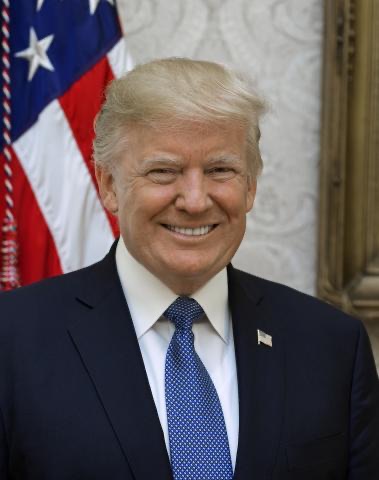
President of the United States
President of the People's Republic of China
CNN White House Correspondent
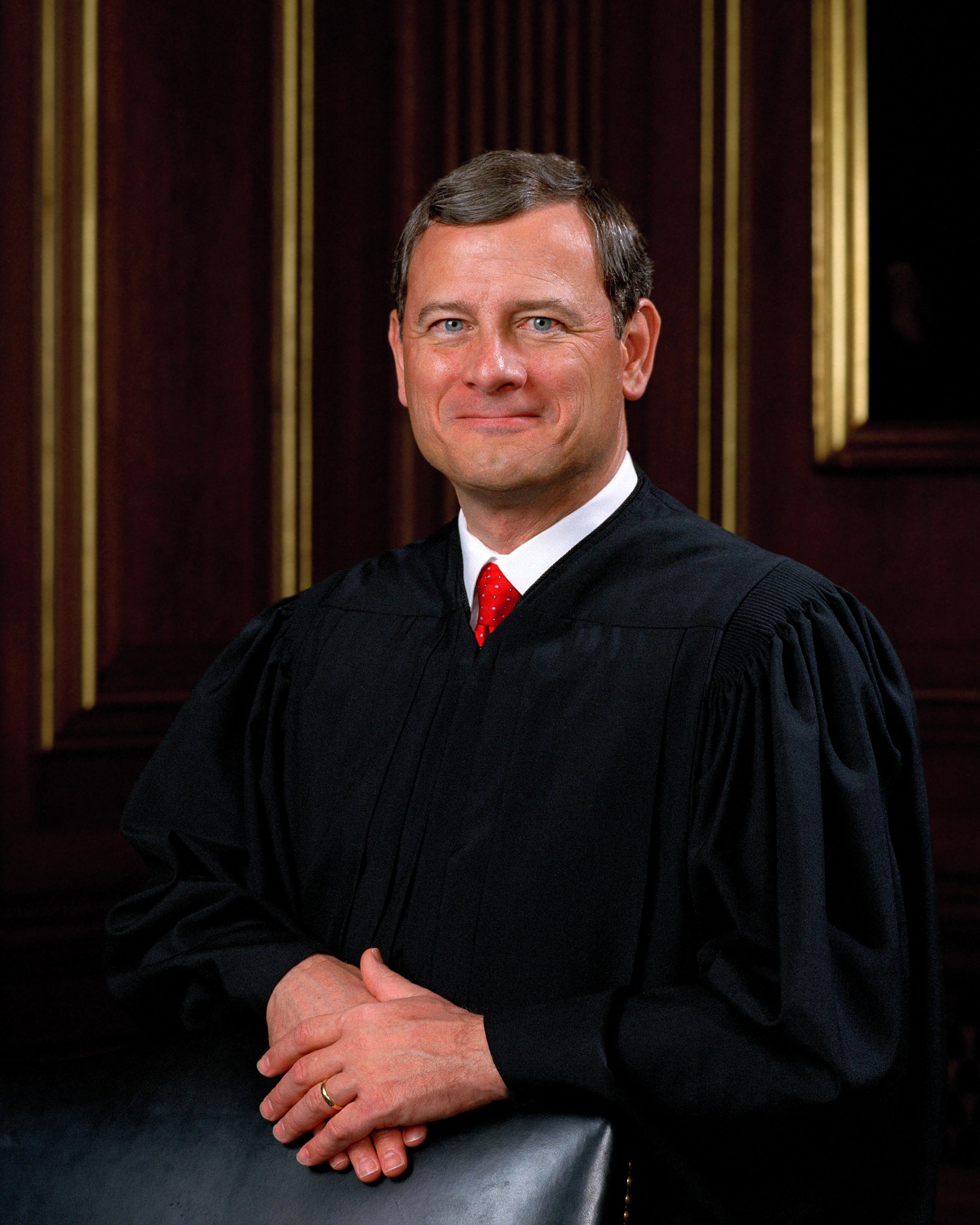
Chief Justice of the United States
U.S. Trade Representative
Attorney General of Oregon, Lead Plaintiff in 24-State Section 122 Lawsuit
monitoring
Track the US-China trade status and the May Xi summit agenda
The May summit between Trump and Xi Jinping will shape whether the tariff threat is followed through or quietly dropped. The State Department and USTR publish official statements on trade relations. Tracking both public statements and intelligence reporting will clarify whether the threat is coercion or commitment.
monitoring
Follow the US Court of International Trade's Section 122 tariff case
A 24-state coalition is challenging Trump's Section 122 tariffs in the Court of International Trade. If courts strike down Section 122 tariffs as they did IEEPA tariffs in February, Trump's legal authority to impose any tariffs above 15% collapses. The hearing took place April 10; a ruling is expected within weeks.
civic action
Contact your senator about Congress's role in trade policy
The Constitution gives Congress the power to regulate foreign commerce (Article I, Section 8). Every tariff Trump imposes unilaterally is an exercise of power Congress delegated to the executive branch through trade statutes. Your senators can introduce legislation to reclaim that authority or limit the president's trade powers.
Hello, my name is [NAME] from [CITY/STATE]. I'm calling about Trump's threat to impose a 50% tariff on China as a foreign policy tool. The Supreme Court already struck down Trump's IEEPA tariffs as unauthorized in February. I'm asking Senator [NAME] to co-sponsor legislation that requires congressional approval before the president can impose tariffs above 10% on any country. Trade policy affects prices for every American family. Can the senator commit to introducing or co-sponsoring such a bill?