April 2, 2025
Trump signals tariff-heavy China policy as trade war looms

Emergency authorities allow Trump to bypass Congress for tariffs that raise consumer prices
🔍Policy Analysis🌍Foreign Policy
April 2, 2025
Emergency authorities allow Trump to bypass Congress for tariffs that raise consumer prices
Trump declared national emergencies on Feb. 1, 2025, regarding fentanyl trafficking from Mexico, Canada, and China, invoking the International Emergency Economic Powers Act (IEEPA) to impose 25% tariffs on Mexico and Canada and 10% on China. The tariffs took effect Feb. 4, 2025. Trump justified the China tariff by claiming Chinese fentanyl precursors were being smuggled into the U.S. through Mexico. The IEEPA allows presidents to regulate commerce during national emergencies, though critics argue fentanyl doesn't constitute the type of emergency the law intended.
Trump increased the China tariff from 10% to 20% on Mar. 4, 2025, claiming China failed to stop fentanyl production and export. He then announced 'reciprocal tariffs' on Apr. 2, setting rates as high as 50% based on trading partners' trade balances with the U.S. China faced a 50% reciprocal tariff initially, bringing the total China tariff to 70% when combined with the 20% fentanyl tariff. The reciprocal tariff framework applied to all U.S. trading partners, with rates varying by country.
From Jan. to Apr. 2025, the overall average effective U.S. tariff rate rose from 2.5% to 27%, the highest level in over a century. This surpassed tariff rates from the 1930 Smoot-Hawley Tariff Act, which economists blame for deepening the Great Depression. The rapid increase disrupted global supply chains and raised consumer prices. After negotiations and deal-making, the overall average effective tariff rate fell to 16.8% by Nov. 2025, still dramatically higher than pre-2025 levels.
China retaliated against Trump's tariffs by imposing its own tariffs on U.S. goods throughout 2025, targeting agricultural products, aircraft, automobiles, and other exports. Chinese tariffs hit American farmers especially hard, reducing demand for soybeans, corn, pork, and beef. The retaliation mirrored China's response during Trump's first-term trade war, when China slashed purchases of U.S. farm products. Farmers lobbied Trump to reach a deal that would restore market access.
On Oct. 10, 2025, Trump announced he would impose an additional 100% tariff on China starting Nov. 1 as punishment for China's export controls on rare earth minerals. China had restricted exports of critical minerals used in electronics, batteries, and military equipment. Trump characterized this as economic warfare. But on Oct. 26, a 'framework' of a deal with China was achieved, averting the 100% tariff implementation. The Oct. crisis showed how quickly tariff threats could escalate.
In Nov. 2025, Trump and Chinese President Xi Jinping reached a significant trade agreement. China suspended all retaliatory tariffs announced since Mar. 4, 2025, including tariffs on a vast swath of U.S. agricultural products: chicken, wheat, corn, cotton, sorghum, soybeans, pork, beef, aquatic products, fruits, vegetables, and dairy products. China also agreed to purchase at least 12 million metric tons of U.S. soybeans during the last two months of 2025 and at least 25 million metric tons annually in 2026, 2027, and 2028.
The Nov. deal left in place the current 20% 'fentanyl' and 10% 'reciprocal' tariffs on Chinese goods, for a total of 30% on Chinese imports. This became the baseline U.S.-China tariff rate. The deal didn't eliminate tariffs but prevented further escalation. American consumers and businesses continued paying higher prices on Chinese goods. The 30% tariff represented a permanent increase from the pre-2025 rate of approximately 2.5%.
On May 28, 2025, the Court of International Trade declared Trump's executive orders implementing both the 'fentanyl' tariffs on Canada, China, and Mexico and the 'reciprocal' tariffs invalid as contrary to law. The court ruled that Trump exceeded his authority under IEEPA and other trade statutes. The administration appealed to the Federal Circuit. Despite the ruling, tariffs remained in effect pending appeal. The case challenged whether presidents can unilaterally impose sweeping tariffs without congressional authorization.
What did China agree to buy as part of the June 2025 trade pause?
Trump's tariffs add how much to the average household's annual costs in 2026?
What's the total tariff rate on Chinese goods entering the US as of late 2025?
How high could pharmaceutical tariffs on China rise by mid-2026?
The Court of International Trade ruled Trump's "fentanyl tariffs" on China invalid in May 2025.
These questions are part of the Trump signals tariff-heavy China policy as trade war looms topic. Master this topic by completing the quiz or exploring each question in detail.
Take the full quiz to master this topic and track your progress.
Start Quiz
President of the United States
Executive branch trade policy implementers
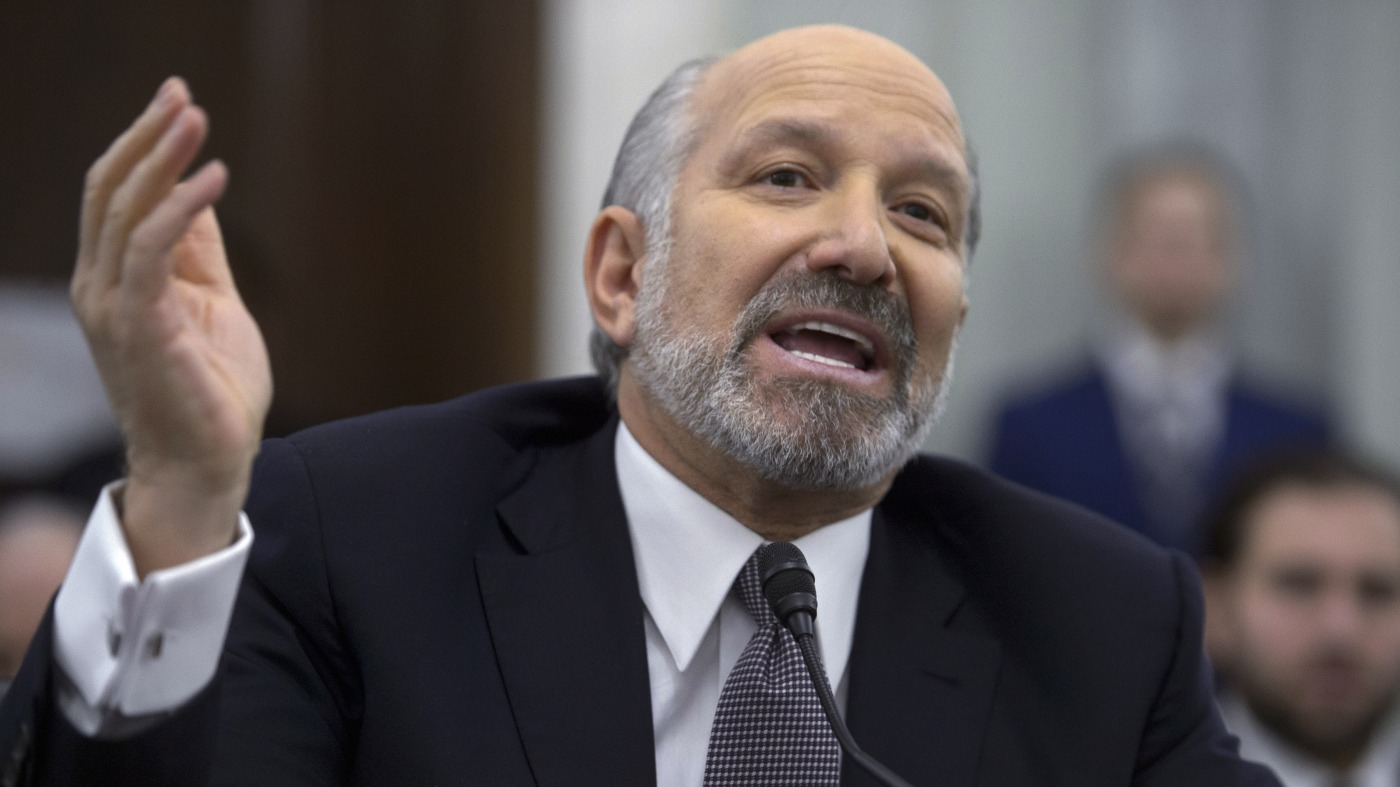
Commerce Secretary
Treasury Secretary
U.S. Trade Representative
civic action
Contact representatives to demand congressional approval for tariffs
Trump plans to use emergency authorities to bypass Congress on tariffs that will increase consumer costs. Demand your representatives pass legislation requiring congressional approval for tariffs that affect consumer goods and aren't genuine national security threats.
civic action
Contact representatives to oppose tariffs that raise consumer costs
Trump's tariffs function as a tax on American consumers who pay higher prices for imported goods. The Peterson Institute estimates Trump's proposed tariffs would cost the average household $1,700 annually. Demand your representatives oppose executive tariffs that bypass congressional authority and increase costs on electronics, household goods, and consumer products.
I'm calling about Trump's tariffs on Chinese goods that will cost my family $1,700 per year according to the Peterson Institute. These tariffs raise prices on consumer goods, electronics, and household products without congressional approval. Federal courts already ruled Trump exceeded his authority under IEEPA. Will the representative support legislation requiring congressional approval for tariffs that significantly impact consumer costs? Congress has constitutional authority over commerce and shouldn't allow presidents to impose massive tax increases through emergency declarations.
civic action
Support farmers harmed by Chinese retaliation through local purchases
Chinese retaliation against Trump's tariffs targets American agricultural exports, particularly soybeans, corn, and other commodities. Farm states that voted for Trump bear the brunt of China's retaliatory tariffs. Support local farmers by purchasing American-grown produce, meat, and dairy products directly from farmers markets or farm stands.
I'm a consumer concerned about farmers harmed by China's retaliatory tariffs on American agricultural exports. Trump's trade war caused $26 billion in agricultural export losses from 2018-2019. How can I support farmers in my community who've lost Chinese markets for soybeans, corn, and other commodities? Are there local purchasing programs or cooperatives where I can buy directly from farmers affected by the trade war?