Ethics · Government · Justice·February 25, 2026
Trump creates DOJ fraud division under Bondi as Vance claims White House oversight
Vance says it reports to him, DOJ org charts say it reports to Blanche

On Jan. 8, 2026, the Trump White House announced the creation of the DOJ's National Fraud Enforcement Division, framing it as a response to 'rampant fraud' across the country — with Minnesota's Somali community specifically cited as a target. Trump nominated Colin McDonald, a veteran prosecutor who had spent the prior year in Deputy AG Todd Blanche's office co-chairing the DOJ's Weaponization Working Group, to serve as the division's first assistant attorney general.
Vance announced in January that the new fraud chief would report directly to him and Trump — not to the attorney general or deputy attorney general. He called the arrangement 'actually constitutionally legitimate.' No assistant attorney general in U.S. history has ever been placed under direct White House supervision outside of the DOJ chain of command. The claim drew immediate pushback from legal scholars who said it would effectively convert DOJ into a White House prosecution arm.
DOJ's own congressional notice, sent by AAG for Administration Jolene Ann Lauria to Rep. Hal Rodgers on Jan. 16, 2026, contradicted Vance. The letter and accompanying organizational chart showed the new division reporting to DAG Todd Blanche — the same structure as all other assistant attorneys general. The administration never publicly resolved the contradiction. When Trump said at the SOTU that the war on fraud would be 'led by our great Vice President JD Vance,' he reiterated the White House chain-of-command framing.
At the Feb. 25 Senate Judiciary Committee hearing, Sen. Dick Durbin of Illinois, the ranking Democrat, opened by saying: 'Who is on first?' — highlighting the unresolved command structure. McDonald pledged he would pursue prosecutions 'without fear or favor' and pointed to the DOJ org chart as evidence he'd report to Blanche. But he refused to directly answer whether he would follow an order from Trump to open or close a specific investigation. Sen. Mazie Hirono of Hawaii told him: 'You are now placed in a highly politicized division.'
The division raises a specific structural concern beyond the chain-of-command question: it duplicates existing DOJ fraud capacity. DOJ already has the Criminal Division's Fraud Section, the Civil Division's Fraud Section, and U.S. Attorneys' offices across the country with dedicated fraud prosecutors. McDonald tried to address the concern by saying his office would be 'complementary' and focus initially on Medicaid and SNAP fraud. But the administration has offered conflicting signals — one DOJ official said the division would hire new staff; another letter to Congress said it would be funded from 'existing resources.'
The political targeting concern is specific and documented. Of the 98 defendants charged by DOJ in Minnesota fraud cases, 85 are of Somali descent. Critics including legal scholars and civil rights organizations have noted that fraud affecting federal programs spans all communities and all states — and that a new division announced in the context of an ICE enforcement surge targeting one ethnic minority community signals selective prosecution pressure. McDonald co-chaired the DOJ's Weaponization Working Group, which was itself created to investigate what the administration claimed was prior DOJ targeting of conservative causes.
The broader constitutional question is about separation of powers. The president has Article II authority to supervise the executive branch, which includes DOJ. But longstanding Justice Department policy, reinforced by post-Watergate reforms, insulates individual prosecution decisions from White House direction. A line from the DOJ's own principles states that prosecutorial decisions must be 'based on the evidence and the law, not on political considerations.' Placing an AAG under Vance's supervision — if that's what ultimately happens — would directly breach that principle.
The $18 billion figure the administration cites as the scale of fraud in Minnesota over seven years is drawn from a federal prosecutor's estimate that half or more of the roughly $18 billion in federal funds flowing through 14 Minnesota programs since 2018 may have been stolen — a figure some independent analysts call speculative. The established, charged fraud from the Feeding Our Future case totals more than $300 million. The gap between $300 million (charged) and $9 billion (estimated) is significant: it's the difference between a documented prosecution and a political narrative.
Related Topics
6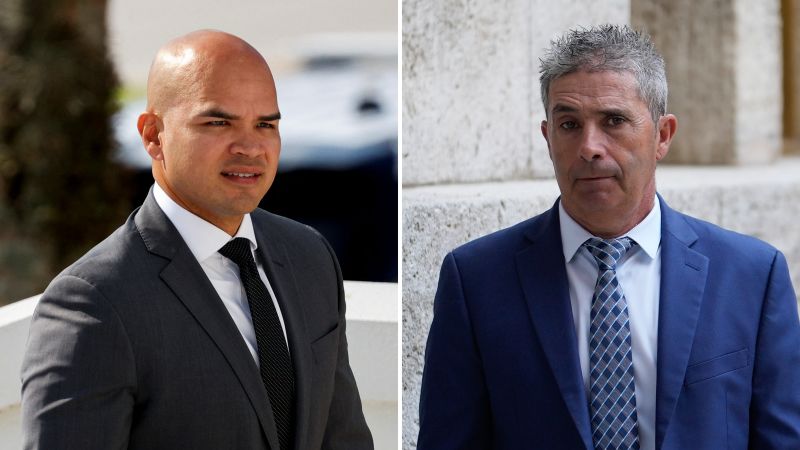
Goldman and Raskin demand all documents mentioning Trump
Democrats tell Bondi to stop protecting Trump on Epstein files
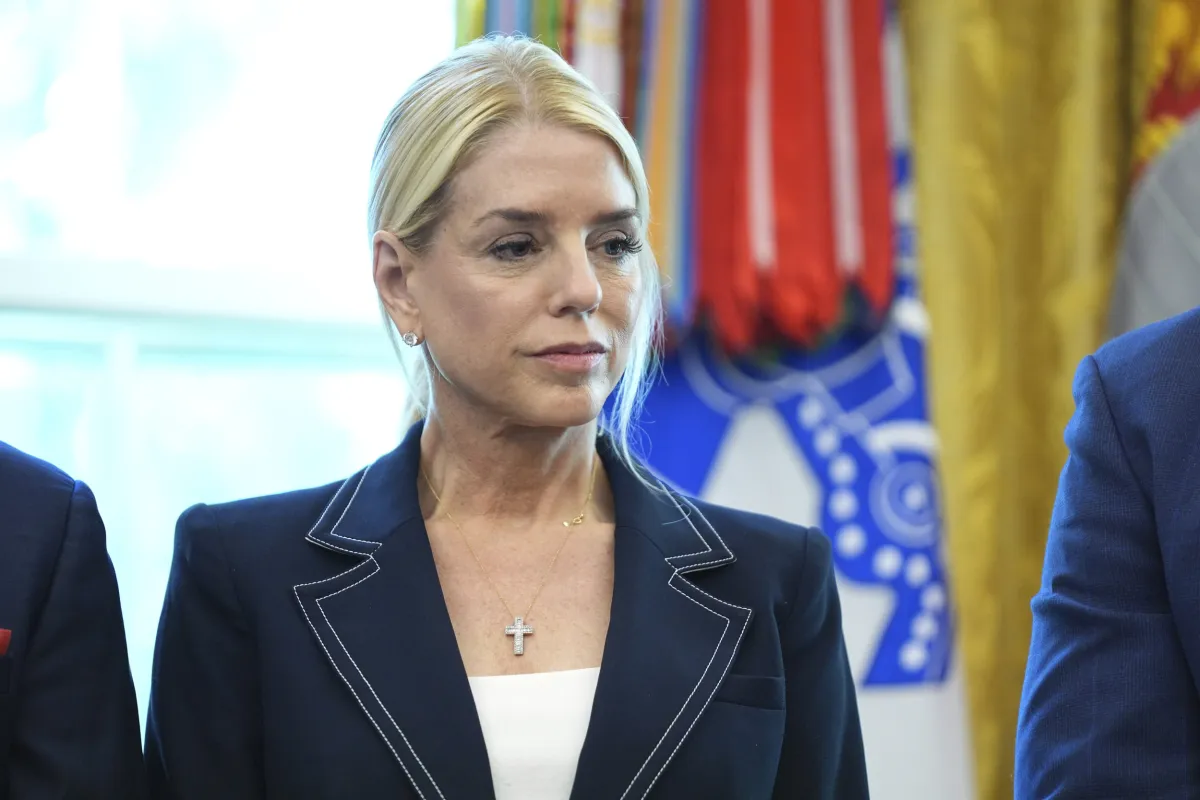
DOJ drops charges against multiple clients of AG Pam Bondi's brother Brad
Democrats demanded recusal documentation after wire fraud and bank fraud cases were dismissed
Trump's DOJ protects Epstein predators, deletes files, exposes survivors in selective document release
DOJ missed 42-day deadline, used flawed redactions, removed Trump photo while leaving famous names exposed
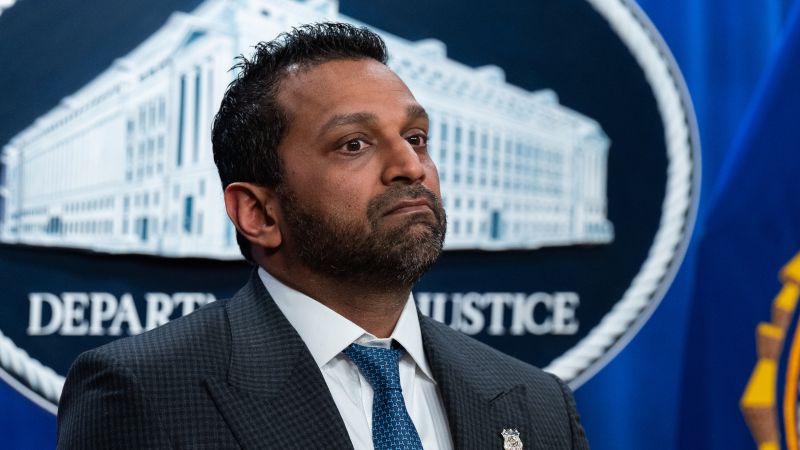
Kash Patel fires a dozen FBI agents who investigated Trump
FBI Agents Association calls terminations unlawful, a 2022 lawsuit alleges Patel acknowledged the firings were retaliatory
DOJ memo says no Epstein client list exists, sparking backlash
Bondi promised a client list on her desk, her own department said it never existed

Bondi creates DOJ weaponization unit that investigated Trump's political opponents
Attorney General Pam Bondi signed a memo on February 5, 2025, creating a Weaponization Working Group led by Trump ally Ed Martin that investigated and charged perceived political enemies of the administration — and failed to convict any of them
13 questions
Start the review