Tax & BudgetConstitutional LawForeign PolicyGovernment
August 29, 2025Trump cancels $4.9B in foreign aid using fiscal year loophole
White House kills $4.9B in aid using obscure budget loophole, bypassing Congress
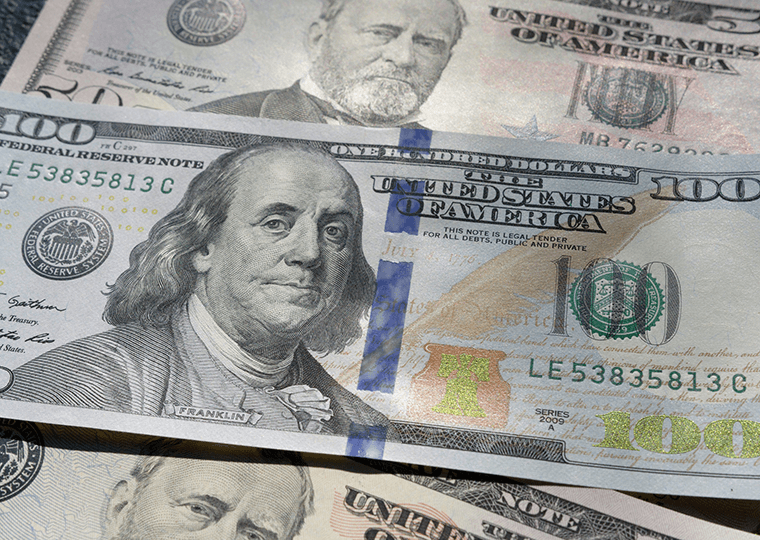
President Trump notified Congress on Aug. 29, 2025 that he would not spend $4.9 billion in congressionally appropriated foreign aid, using a budget maneuver called a pocket rescission. The package included $3.2 billion in cuts to USAID programs, $322 million from USAID's State Democracy Fund, and hundreds of millions from peacekeeping activities.
A pocket rescission exploits fiscal year timing: a president submits a rescission request to Congress less than 45 days before the Sept. 30 end of the fiscal year, making it structurally impossible for Congress to act within the Impoundment Control Act's required window before the appropriation expires. The last president to use this maneuver was Jimmy Carter in 1977.
The Impoundment Control Act of 1974 was enacted specifically to limit presidential power to withhold congressionally appropriated funds after President Nixon impounded billions in domestic spending to pressure Congress on policy. Under the ICA, a president who wants to cancel funding must submit a formal rescission request and wait for Congress to affirmatively approve it within 45 days. The pocket rescission exploits the year-end timing to make that approval window impossible to use.
The Government Accountability Office concluded that pocket rescissions are illegal impoundments under the ICA. Susan Collins, Republican chair of the Senate Appropriations Committee, pointed to the GAO's position as evidence the maneuver violated the law. The administration disputed this reading, arguing the ICA's plain text does not prohibit rescission requests made near fiscal year end.
The pocket rescission bypass was distinct from the $9 billion Rescissions Act the Republican-controlled Congress passed earlier in 2025, which canceled foreign aid and public broadcasting funding through the normal legislative process. That bill required a floor vote and drew opposition from Collins and Lisa Murkowski, who objected to the aid cuts. The pocket rescission achieved the same spending cancellation without requiring a floor vote or risking those defections.
The Supreme Court allowed the $4 billion in pocket rescissions to take effect in a Sept. 26, 2025 order while litigation proceeded. The unsigned order did not resolve the underlying legal question of whether pocket rescissions are lawful impoundments under the ICA.
If pocket rescissions withstand judicial review, any future president could cancel any congressionally appropriated spending by submitting rescission requests in the final 30 days of the fiscal year. This would effectively restore the unilateral impoundment authority Nixon wielded before 1974 — and which Congress specifically enacted the ICA to eliminate.
Foreign aid is appropriated by Congress under its Article I spending power. The Constitution gives Congress, not the president, the power to decide how federal money is spent. Presidential cancellation of appropriated funds without congressional approval challenges the constitutional separation of powers between the legislative and executive branches.
Related Topics
3Congress grants Trump power to claw back $9 billion in spending
Congress grants president unilateral spending cuts authority
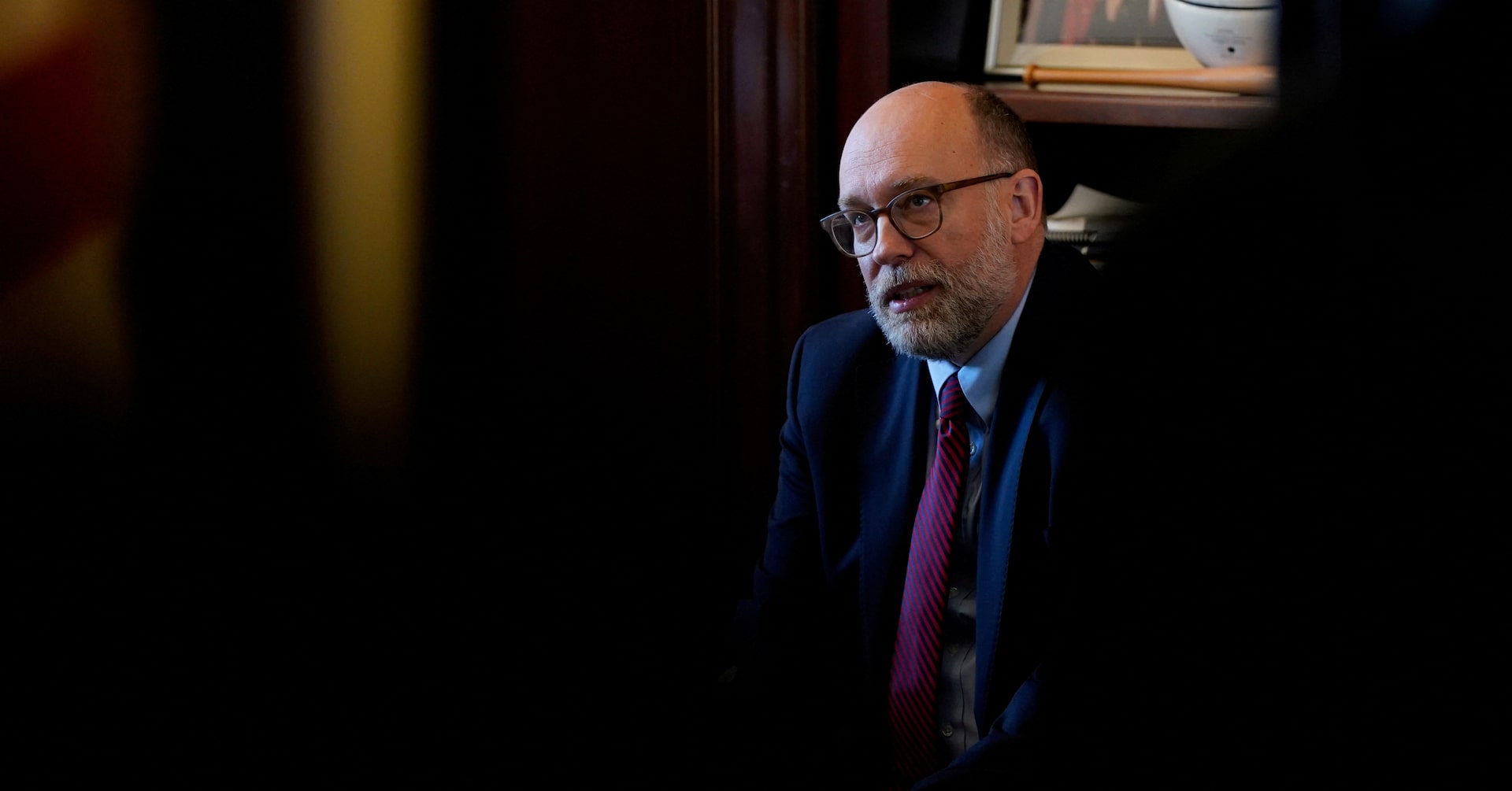
Vought withholds $410 billion in congressionally approved funds, calling the Impoundment Control Act unconstitutional
The Supreme Court's shadow docket gave the executive branch a partial line-item veto not in the Constitution

Speaker Johnson delivers narrow 216-213 rescission victory
Nine-billion-dollar rescission returns spending power to Congress
14 questions
Start the review