June 17, 2025
Trump leaves G7 summit early on June 16 citing Israel-Iran crisis
Presidential departure from international summit signals Middle East crisis escalation
🛡️National Security📜Constitutional Law🌍Foreign Policy
June 17, 2025
Presidential departure from international summit signals Middle East crisis escalation
On June 16, 2025, President Donald J. Trump departed the G7 summit in Kananaskis, Alberta a day early to address the escalating Israel–Iran conflict.
This was the second time in his presidency that Trump left a G7 summit early, having previously departed the 2018 summit in Quebec mid-afternoon on the second day.
French President  Emmanuel Macron told reporters that Trump had made “an offer to meet and exchange” with Iranian and Israeli counterparts to secure a ceasefire.
The final G7 joint statement, which Trump ultimately signed, called for a “broader de-escalation of hostilities in the Middle East, including a ceasefire in Gaza,” and labeled Iran as “the principal source of regional instability and terror.”
Trump requested that the White House Situation Room be prepared upon his return, underscoring the administration’s focus on crisis management.
U.S. military forces maintained a defensive posture and did not directly participate in Israel’s operations against Iran, according to Department of Defense and White House officials.
By leaving early, Trump canceled scheduled bilateral meetings with Ukrainian President  Volodymyr Zelensky and Mexican President Claudia Sheinbaum.
On June 16, Trump posted on Truth Social urging the immediate evacuation of Tehran, reflecting his use of social media for direct diplomatic messaging.
When did President Trump leave the G7 summit early to address the Middle East crisis?
Which city did Trump urge to evacuate immediately on his Truth Social platform?
What specific room did Trump request be prepared for his return to the White House?
Presidents have constitutional authority to leave international summits early for national security reasons.
The U.S. military is directly participating in Israel's strikes against Iran.
Upgrade to Premium to access all practice questions and unlock advanced quiz features.
Upgrade to PremiumThese questions are part of the Trump leaves G7 summit early on June 16 citing Israel-Iran crisis topic. Master this topic by completing the quiz or exploring each question in detail.
Take the full quiz to master this topic and track your progress.
Start Quiz
President of the United States
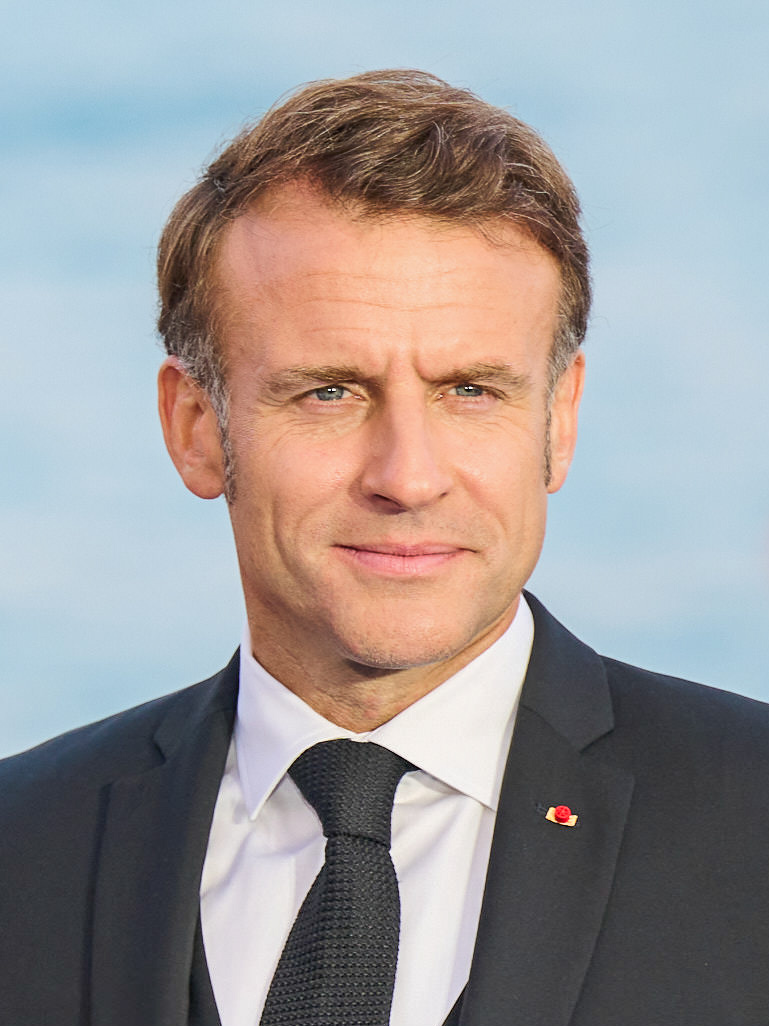
President of France
Prime Minister of Canada, G7 host
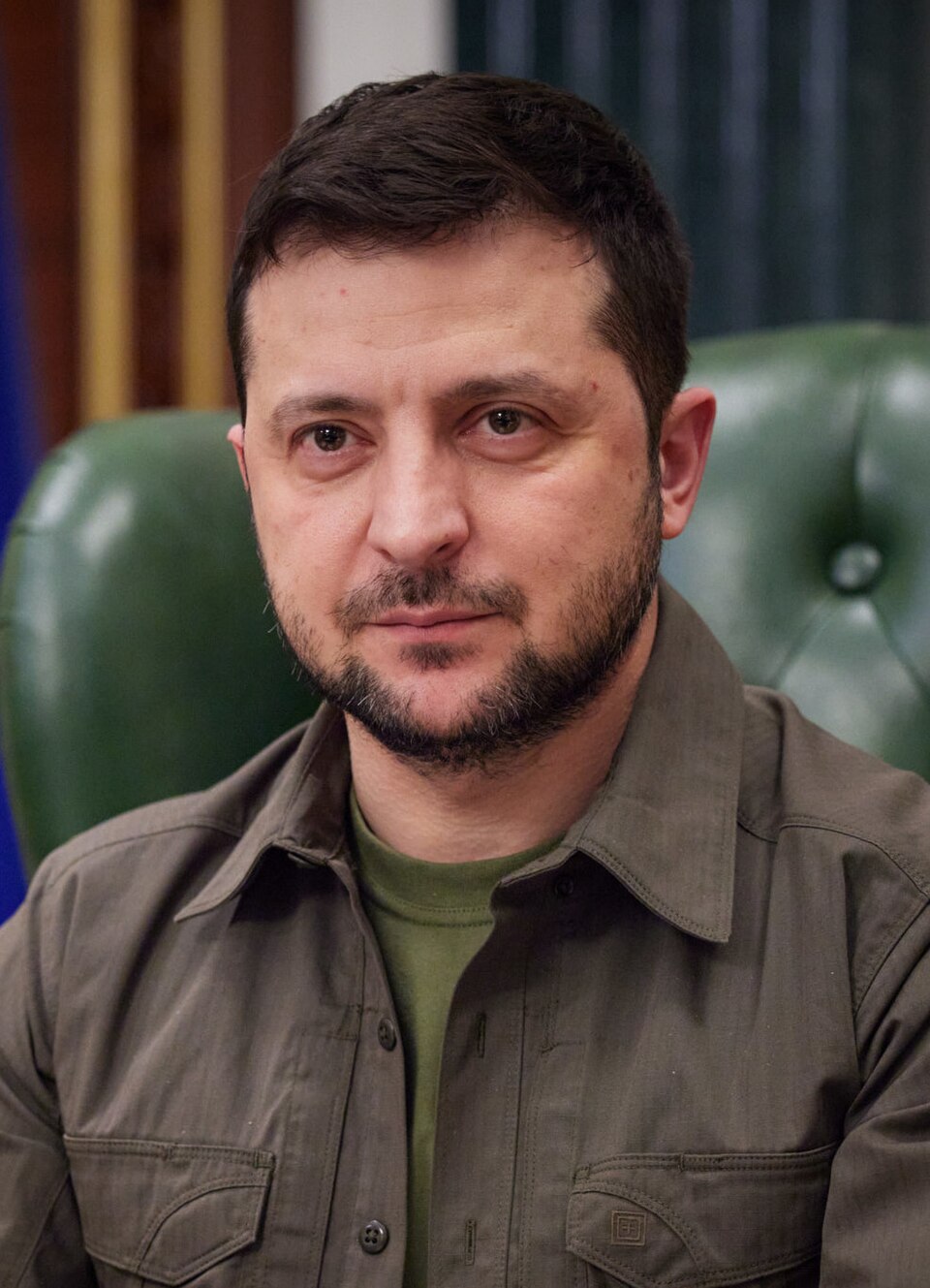
President of Ukraine
President of Mexico
Prime Minister of United Kingdom