ImmigrationNational Security
November 28, 2025Trump administration halts all asylum decisions, freezing 2.2 million cases
2.2 million asylum cases frozen indefinitely after Afghan recipient shoots National Guard members

Trump ordered State and DHS to freeze all asylum and refugee decisions between Nov. 28 and Dec. 1, 2025. This halted 2.2 million asylum cases in the immigration court backlog. It suspended new refugee admissions.
That included 9,300 Afghans vetted through Operation Allies Welcome since Aug. 2021. No timeline was given for when decisions would resume.
The freeze came after Lakanwal shot two people outside a Miami supermarket in Nov. 2025. He's an Afghan interpreter.
Trump's own USCIS approved his Special Immigrant Visa in Apr. 2025. But Trump publicly blamed Biden's vetting. The approval happened under his administration. He blamed Biden anyway.
The freeze creates legal limbo
Asylum seekers can't work without Employment Authorization Documents
Those documents are tied to pending cases They can't travel internationally That would risk abandonment of their case They can't reunite with family Derivative beneficiaries require the principal applicant's approval first People who've waited years now wait indefinitely.
Congress created the asylum system with the 1980 Refugee Act. Carter signed it. He was responding to Vietnam's boat people crisis.
It codified the 1951 UN Convention's non-refoulement principle.
That means the U.S. can't return people facing persecution. Reagan ratified this treaty obligation in 1988. It's a binding international commitment.
The Supreme Court ruled in Zadvydas v. Davis in 2001. The Fifth Amendment's Due Process Clause protects persons, not just citizens. Asylum seekers can't be held in indefinite detention. They can't be stuck in legal limbo without hearings.
This built on Wong Wing v. United States from 1896. Constitutional protections apply to all people on U.S. soil. Citizenship doesn't matter.
The INA Section 208 requires USCIS to decide asylum applications within 180 days. The freeze violates this by design.
The Supreme Court ruled in INS v. Cardoza-Fonseca in 1987. Asylum seekers need only a reasonable possibility of persecution. That's a 10% chance. They don't need clear probability. That would be 50% or more. The standard is deliberately low.
Asylum applicants already undergo extensive vetting. Biometric screening checks fingerprints against FBI and DHS databases.
Multi-agency security checks involve FBI, DHS, DOD, and State. In-person USCIS interviews are required. If referred to court, they face adversarial hearings. DHS attorneys cross-examine them. Trump's maximum vetting justification is misleading. These protocols existed before the freeze.
Related Topics
5
USCIS freezes all immigration cases from 19 countries, leaving 1.4 million asylum seekers waiting indefinitely
1.4 million asylum seekers stuck in limbo, unable to work or reunite with family

Afghan asylum holders fear re-examination after one shooting triggers nationwide case review
Legally settled Afghans face rescission of asylum, losing work permits and residency

Trump suspends all Afghan immigration after National Guard shooting
233,000 refugees face review as Trump halts all Afghan immigration indefinitely
Biden launches Operation Allies Welcome to resettle 190,000 Afghans after U.S. withdrawal
Largest U.S. refugee operation since Vietnam evacuates Afghans who aided American military operations
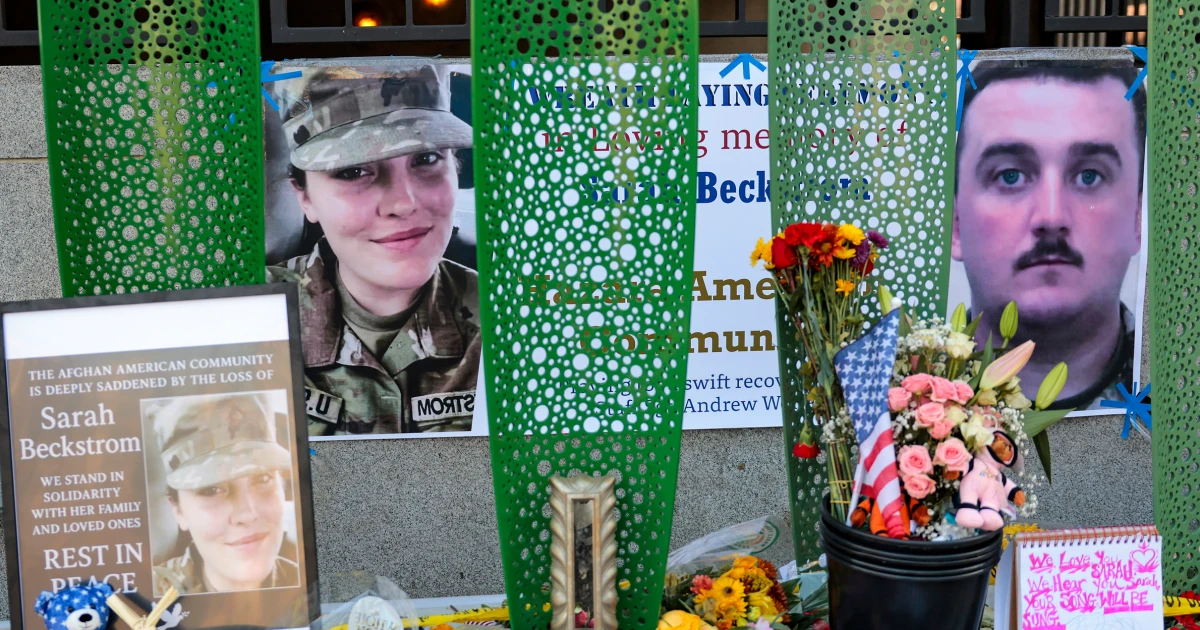
Former CIA contractor Rahmanullah Lakanwal shoots two National Guard members blocks from White House, killing one
Afghan vetted by CIA, granted Trump asylum shoots guardsmen
20 questions
Start the review