Constitutional Law · Economy·June 20, 2025
Trump threatens to fire Fed Chair Powell after rates stay unchanged
Trump calls Fed Chair Powell "numbskull," demands 2% rate cut to save $600 billion annually

On Jun. 12, 2025, President Trump called Fed Chair Jerome Powell a 'numbskull' during a White House bill signing, demanding a two-percentage-point rate cut that he claimed would save $600 billion annually. Vice President JD Vance the day before had accused the Fed of 'monetary malpractice' for not cutting rates.
The Federal Reserve Act Section 10 states governors can be removed only 'for cause' - meaning misconduct, neglect of duty, or malfeasance - not policy disagreements. The Supreme Court's 1935 Humphrey's Executor ruling confirmed Congress can protect independent agency officials from at-will presidential removal.
On Apr. 21-22, 2025, when Trump called Powell 'a major loser' and threatened termination, the dollar fell to its lowest level since Mar. 2022 (ICE Dollar Index at 97.92), 30-year Treasury yields spiked 10 basis points to 4.9%, and gold hit record highs above $3,480 per ounce.
Treasury Secretary Scott Bessent privately warned Trump that firing Powell would 'destabilize investor confidence and ignite legal battles.' Bessent, a former hedge fund manager, told Trump the move could trigger 'the most dramatic rush to the exit from US assets that it is possible to imagine.'
The Supreme Court heard oral arguments on Jan. 21, 2026 in Trump v. Cook, after Trump fired Fed Governor Lisa Cook citing mortgage fraud allegations. Justice Brett Kavanaugh warned that allowing at-will removal could 'weaken, if not shatter, the independence of the Federal Reserve.'
Jerome Powell's term as Fed Chair expires in May 2026, while his term as a Board member runs through Jan. 2028. Powell called the Lisa Cook case 'perhaps the most important legal case in the Fed's 113-year history.'
Congress created the Federal Reserve on Dec. 23, 1913, under President Woodrow Wilson, specifically to insulate monetary policy from short-term political pressure. The 12 regional Federal Reserve Banks were designed to diminish Wall Street's influence and prevent any single political actor from controlling the money supply.
Related Topics
6
Powell signals rate cuts amid sustained Trump pressure
Central bank independence crumbles under political pressure

Supreme Court signals it will keep Lisa Cook at Fed as DOJ opens criminal investigation of Powell
Justices skeptical of Trump's mortgage fraud claims against Cook

Fed Governor Cook defies Trump firing, creating Fed constitutional standoff
First Black woman Fed governor refuses Trump's illegal firing
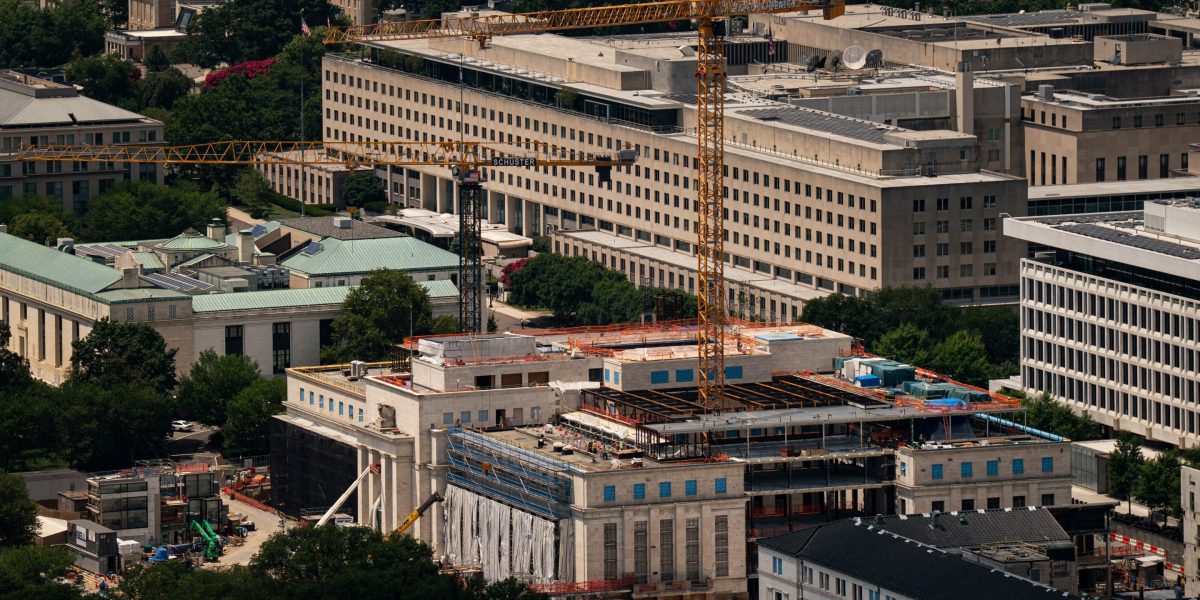
Trump weaponizes Fed headquarters renovation costs to pressure Powell on rates
Fed's $2.5B marble renovation sparks Trump-Powell clash over luxury spending
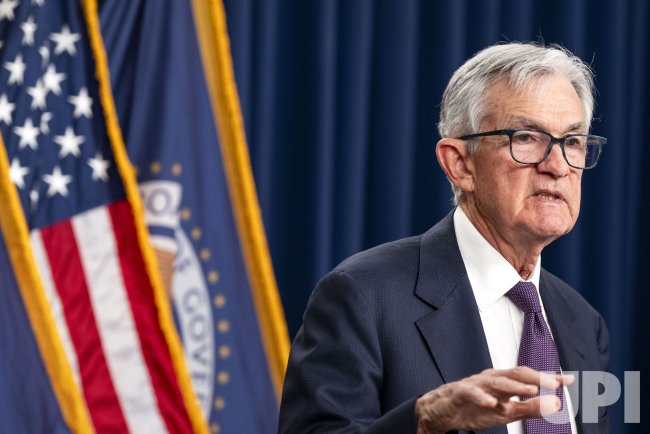
DOJ's criminal probe of Fed chair called political by judge
A judge says Trump's DOJ used a fake probe to force the Fed chair out
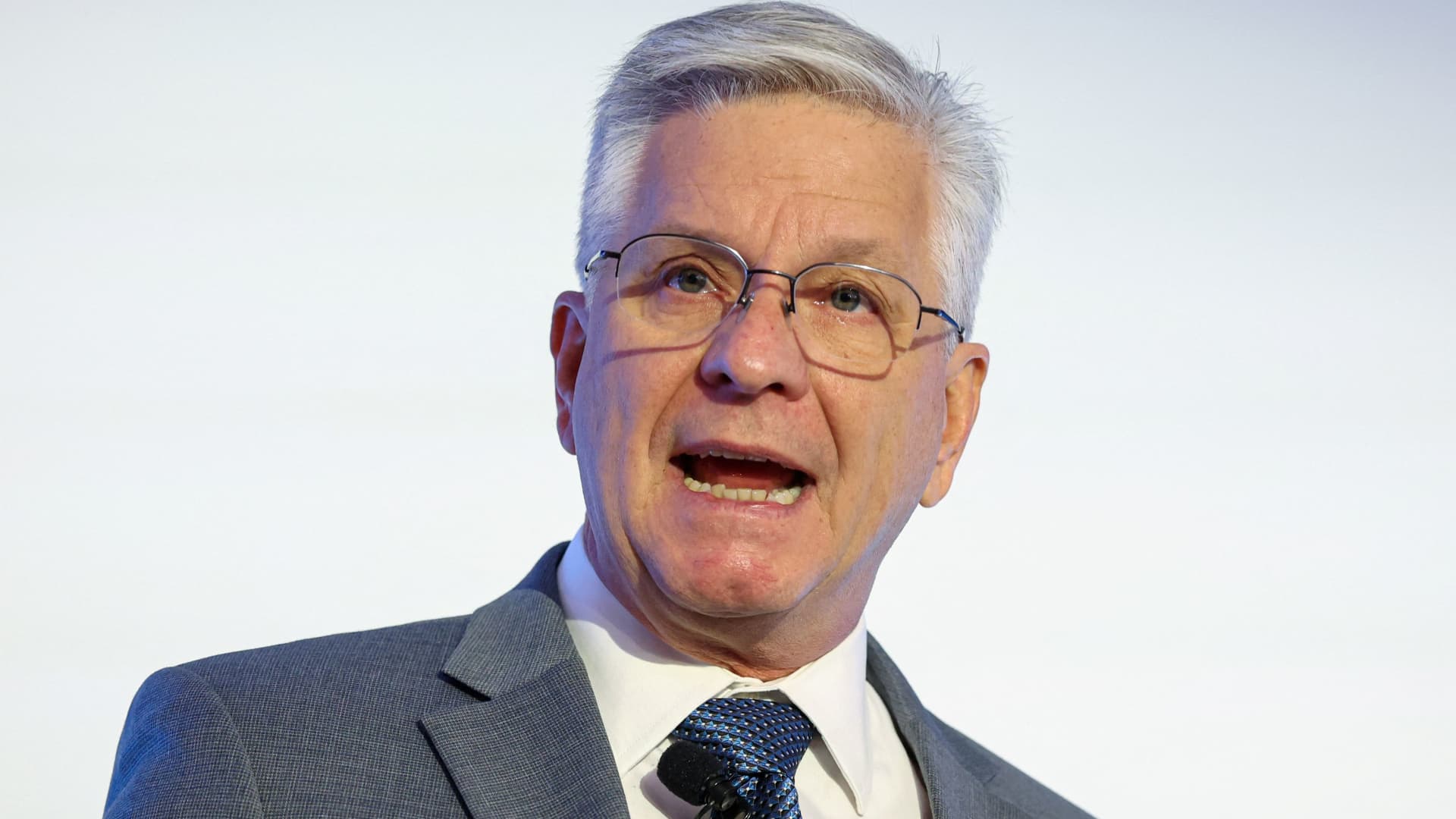
Fed governor waller campaigns for powell job while advocating Trump-favored rate cuts
Internal Fed politics threaten central bank independence
11 questions
Start the review