Elections·January 2, 2021
Trump pressures Georgia secretary of state to "find 11,780 votes" in hour-long call
Trump threatens Georgia's top election official with criminal prosecution unless he reverses Biden's certified win

President Donald Trump called Georgia Secretary of State Brad Raffensperger on Jan. 2, 2021, one day before Congress was set to certify Biden's Electoral College victory. The call lasted over an hour.
Trump demanded Raffensperger 'find 11,780 votes' — exactly one more than Biden's 11,779-vote margin in Georgia. The Washington Post obtained audio of the call and published it the same day, revealing Trump's direct pressure campaign on a state election official.
Trump repeated debunked claims about election fraud during the call, including allegations about dead voters, out-of-state voters, and Dominion voting machines. He claimed Georgia had 'hundreds of thousands of people' who shouldn't have voted.
Raffensperger and his office's general counsel Ryan Germany methodically refuted each claim with specific data from Georgia's audits and recounts. Trump dismissed their corrections and continued pressing.
Trump told Raffensperger, 'I just want to find 11,780 votes, which is one more than we have... Fellas, I need 11,000 votes. Give me a break.'
He added that Raffensperger was taking 'a big risk' by not finding fraud.
Trump suggested Raffensperger and Germany could face criminal liability, saying, 'That's a criminal offense. And you can't let that happen. That's a big risk to you.' This direct threat from a sitting president to a state official became key evidence in later criminal charges.
Raffensperger refused Trump's demands, telling him, 'The challenge that you have is the data you have is wrong.' Georgia had conducted three counts of all ballots: the original count, a hand recount of all 5 million paper ballots, and a machine recount. All three confirmed Biden won by approximately 12,000 votes. Raffensperger, a Republican who supported Trump's reelection, prioritized Georgia election law over party loyalty.
The call included Trump's lawyers and advisors, including Chief of Staff Mark Meadows and lawyer Cleta Mitchell
Meadows suggested Georgia could compare signatures on absentee ballot envelopes to those on file, even though Georgia had already done signature matching during ballot processing
Mitchell cited discredited claims about Fulton County vote tallying Both participated in pressing Georgia officials to take actions that would benefit Trump.
Georgia's Republican governor Brian Kemp and lieutenant governor Geoff Duncan both defended the state's election results and Raffensperger's integrity after the call became public. Kemp said Georgia had done 'everything we can possibly do' to ensure election integrity. This created a Republican split, with state officials standing firm against a Republican president's pressure campaign to overturn election results.
The call occurred two days after Trump's Jan. 2, 2021 rally in Georgia where he attacked Raffensperger and Governor Kemp for certifying Biden's win. Trump told the rally crowd that Raffensperger was 'a disaster' and needed to be 'a lot tougher.'
The phone call was Trump's direct follow-up, escalating from public criticism to private pressure and veiled threats. The timing — one day before Congress would count Electoral College votes — made clear Trump's urgency to reverse Georgia's results.
On Aug. 14, 2023, Fulton County District Attorney Fani Willis indicted Trump and 18 co-defendants on RICO charges, with the Raffensperger call serving as a key overt act in the alleged conspiracy to overturn Georgia's election. The indictment cited Trump's false statements about election fraud and his demand that Raffensperger 'find' votes as evidence of criminal intent to interfere with Georgia's election administration. Legal experts said the recorded call provided rare direct evidence of Trump personally participating in alleged criminal conduct.
Related Topics
3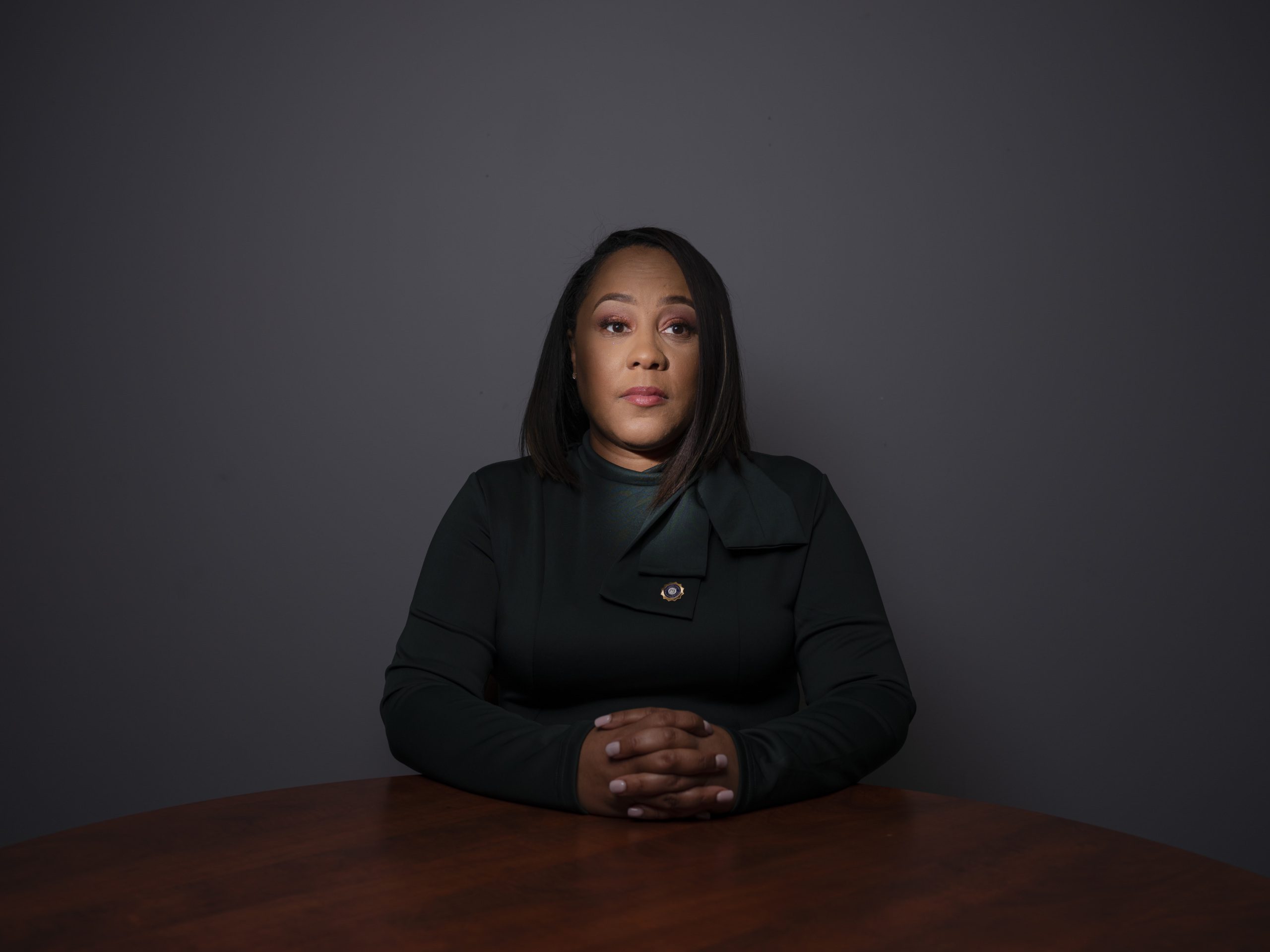
Georgia DA charges Trump with racketeering in 13-count election interference indictment
Fulton County District Attorney Fani Willis indicted Donald Trump and 18 co-defendants on August 14, 2023, charging them under Georgia's RICO statute for their roles in a coordinated effort to overturn Georgia's 2020 presidential election results
Trump pardons fake electors as Georgia prosecutor dismisses election interference case
President pardons co-conspirators in fake elector scheme after regaining office, testing pardon power limits

Georgia prosecutor drops Trump election charges, citing federal jurisdiction
Last criminal case against Trump dismissed after new prosecutor cites federal venue
20 questions
Start the review