Immigration
November 27, 2025Trump vows to "permanently pause" immigration from "Third World Countries"
Trump announces "reverse migration" to remove immigrants "not a net asset"

Trump posted on Truth Social late Nov. 27, 2025, "I am going to permanently pause migration from all Third World Countries...We will remove anyone who is not a net asset to our Country, anyone incapable of loving our Country." The announcement came hours after National Guard Spc.
Sarah Beckstrom died from gunshot wounds inflicted by Rahmanullah Lakanwal, a 29-year-old Afghan who entered the U.S. in 2021 under Operation Allies Welcome and received asylum in Apr. 2025. Lakanwal previously worked with the CIA in Afghanistan and underwent counterterrorism vetting before entry.
USCIS Director Joseph Edlow ordered a nationwide pause on all asylum adjudications Nov. 28 "until we can ensure that every alien is vetted and screened to the maximum degree possible." The freeze affects thousands of pending asylum cases across all nationalities—not just Afghans. Officers received internal guidance canceling scheduled interviews indefinitely.
The State Department separately paused visa issuance to Afghan nationals. Edlow directed staff to reexamine every green card issued to nationals from 19 "countries of concern" under Trump's Jun. 2025 travel ban.
Trump's proclamation relies on INA § 212(f), which states, "Whenever the President finds that the entry of any aliens...would be detrimental to the interests of the United States, he may...suspend the entry of all aliens or any class of aliens." The Supreme Court upheld broad presidential authority under this provision in Trump v. Hawaii (2018), rejecting constitutional challenges to Trump's first-term Muslim ban. However, § 212(f) addresses entry suspension—not denaturalization or deportation of lawful residents, which require separate statutory procedures.
The 19 countries targeted for green card review are: Chad, Eritrea, Iran, Iraq, Kyrgyzstan, Libya, Mali, Myanmar, Nigeria, North Korea, Somalia, South Sudan, Sudan, Syria, Tanzania, Uzbekistan, Venezuela, Yemen, and Zimbabwe. Trump didn't define "Third World Countries," leaving ambiguity about which nations face the "permanent pause." DHS Secretary Kristi Noem recommended Dec. 2 expanding the travel ban to at least 10 additional countries, telling Trump she wanted to ban "every damn country that's been flooding our nation with killers, leeches, and entitlement junkies."
challenges face high barriers after Trump v. Hawaii. The Court held that rational basis review—not strict scrutiny—applies when the president invokes immigration authority, even when challengers allege religious or national-origin discrimination.
Critics argue denaturalization based on subjective "net asset" or "domestic tranquility" criteria violates Fifth Amendment and INA § 340, which limits denaturalization to cases involving fraud or illegal procurement. No court has approved mass denaturalization based on post-naturalization conduct.
Economic studies contradict Trump's "net asset" framing. The National Academies of Sciences found immigrants are net fiscal contributors over time—second-generation immigrants rank among the strongest taxpayers.
The foreign-born workforce comprises 31 million people (18% of U.S. labor force), filling critical roles in healthcare, agriculture, construction, and technology. NPR reported Oct. 2025 that remittances from U.S. immigrants support $150+ billion in annual flows to home countries—Trump's crackdown disrupted this global financial lifeline.
Legal challenges are expected but uncertain given Trump v. Hawaii precedent. The ACLU filed suit Dec. 5 in D.C. District Court arguing the asylum freeze violates the Administrative Procedure Act and INA § 208, which requires DHS to adjudicate asylum claims.
Immigration advocates argue collective punishment of entire nationalities based on one individual's actions contradicts foundational legal principles. The Supreme Court will hear arguments in spring 2026 on whether the administration can physically turn back asylum seekers at ports of entry—a related case testing the limits of executive immigration power.
Related Topics
2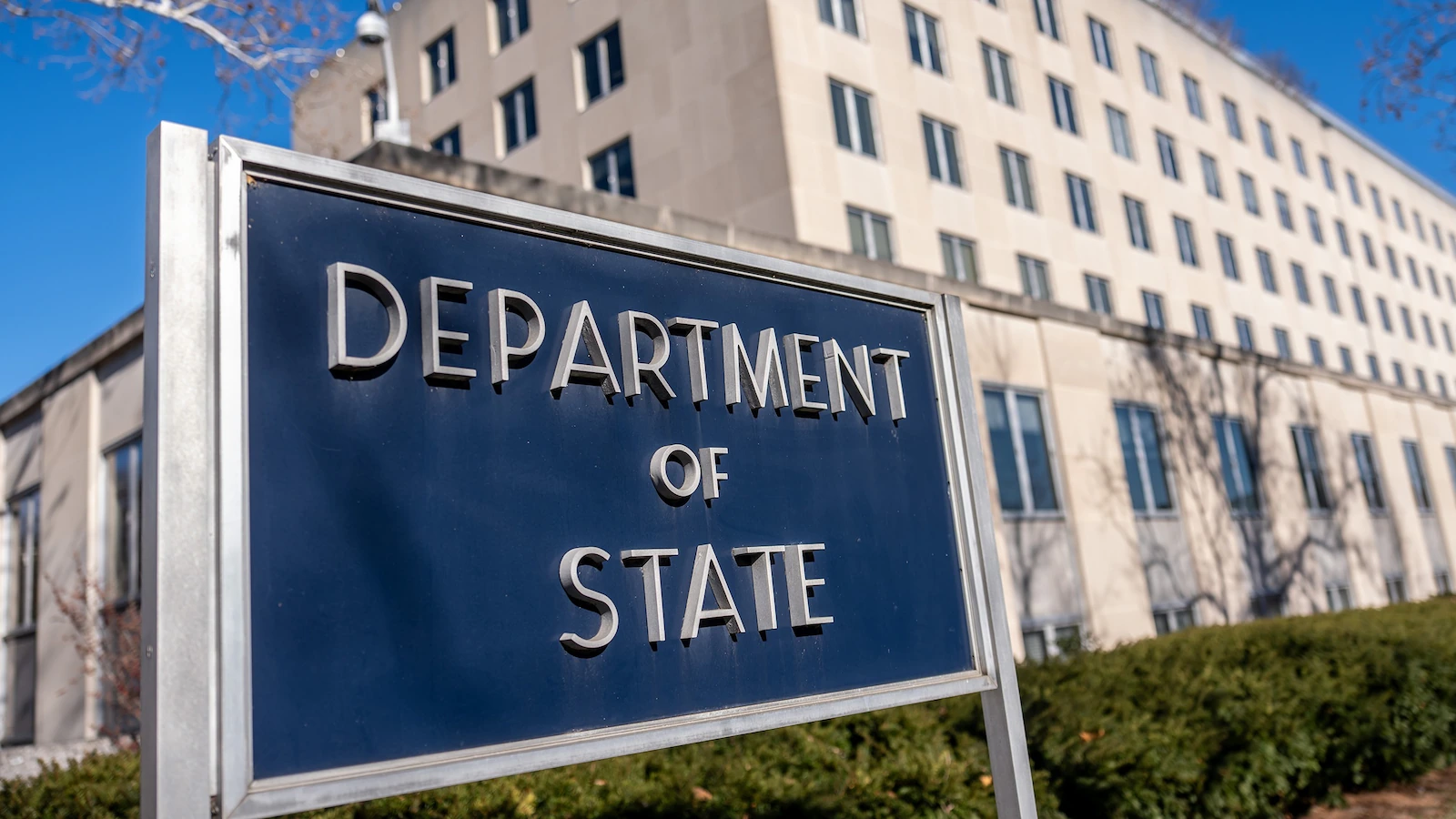
State Department suspends immigrant visas for 75 countries, cites 'public charge' risk
Applicants from Brazil, Pakistan, Nigeria lose permanent immigration pathway

Trump suspends all Afghan immigration after National Guard shooting
233,000 refugees face review as Trump halts all Afghan immigration indefinitely
20 questions
Start the review