No. 25-406, __ U.S. __ (2026)8-1majority
Federal Communications Commission v. AT&T, Inc.
The Supreme Court ruled 8-1 that the FCC's process for imposing monetary forfeitures on telecommunications carriers does not violate the Seventh Amendment.
Explore the Trump administration (2025–Present). View events, executive orders, leadership positions, court cases, and key policy decisions that shaped American governance.
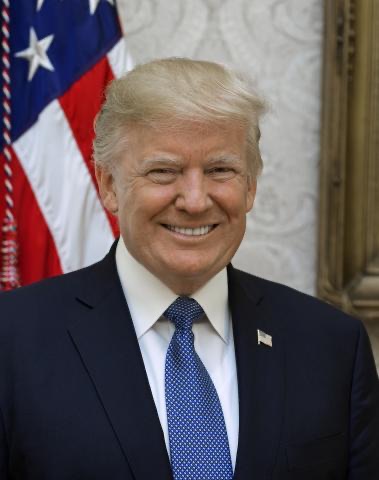
Donald Trump
2025–Present (2nd term)
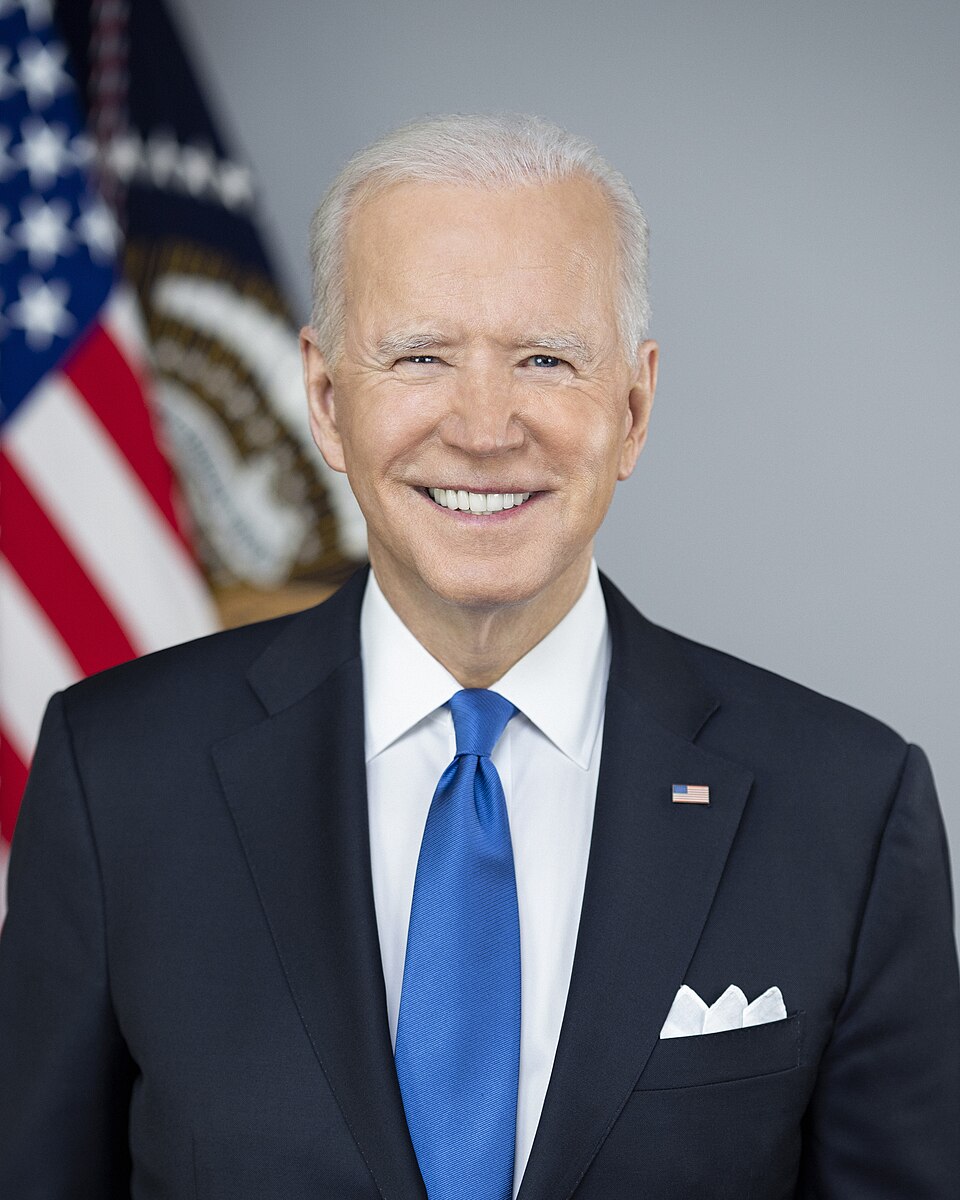
Joe Biden
2021–2025
Donald Trump
2017–2021 (1st term)
Barack Obama
2013–2017 (2nd term)
Barack Obama
2009–2013 (1st term)
George W. Bush
2005–2009 (2nd term)
George W. Bush
2001–2005 (1st term)
Bill Clinton
1997–2001 (2nd term)
Bill Clinton
1993–1997 (1st term)
George H.W. Bush
1989–1993
Ronald Reagan
1985–1989 (2nd term)
Ronald Reagan
1981–1985 (1st term)
Jimmy Carter
1977–1981
Gerald Ford
1974–1977
Richard Nixon
1969–1974
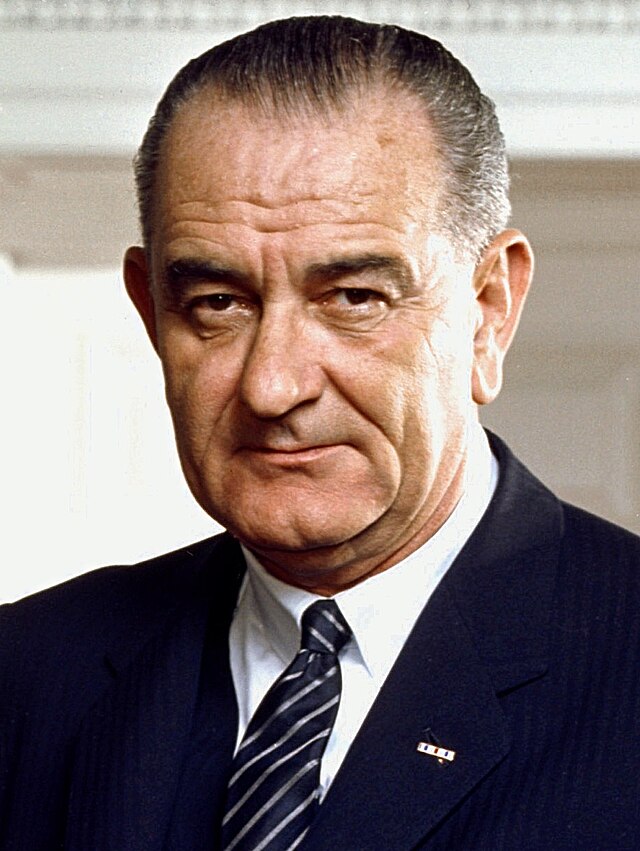
Lyndon B. Johnson
1965–1969 (2nd term)
Lyndon B. Johnson
1963–1965 (1st term)
John F. Kennedy
1961–1963
Dwight Eisenhower
1957–1961 (2nd term)
Dwight Eisenhower
1953–1957 (1st term)
Harry S. Truman
1945–1953
Franklin D. Roosevelt
1945–1945 (4th term)
Franklin D. Roosevelt
1941–1945 (3rd term)
Franklin D. Roosevelt
1937–1941 (2nd term)
Franklin D. Roosevelt
1933–1937 (1st term)
Herbert Hoover
1929–1933
Calvin Coolidge
1923–1929
Warren G. Harding
1921–1923
Woodrow Wilson
1917–1921 (2nd term)
Woodrow Wilson
1913–1917 (1st term)
William Howard Taft
1909–1913
Theodore Roosevelt
1905–1909 (2nd term)
Theodore Roosevelt
1901–1905 (1st term)
William McKinley
1901–1901 (2nd term)
William McKinley
1897–1901 (1st term)
Grover Cleveland
1893–1897 (2nd term)
Benjamin Harrison
1889–1893
Grover Cleveland
1885–1889 (1st term)
Chester A. Arthur
1881–1885
James A. Garfield
1881–1881
Rutherford B. Hayes
1877–1881
Ulysses S. Grant
1873–1877 (2nd term)
Ulysses S. Grant
1869–1873 (1st term)
Andrew Johnson
1865–1869
Abraham Lincoln
1865–1865 (2nd term)
Abraham Lincoln
1861–1865 (1st term)
James Buchanan
1857–1861
Franklin Pierce
1853–1857
Millard Fillmore
1850–1853
Zachary Taylor
1849–1850
James K. Polk
1845–1849
John Tyler
1841–1845
William Henry Harrison
1841–1841
Martin Van Buren
1837–1841
Andrew Jackson
1833–1837 (2nd term)
Andrew Jackson
1829–1833 (1st term)
John Quincy Adams
1825–1829
James Monroe
1821–1825 (2nd term)
James Monroe
1817–1821 (1st term)
James Madison
1813–1817 (2nd term)
James Madison
1809–1813 (1st term)
Thomas Jefferson
1805–1809 (2nd term)
Thomas Jefferson
1801–1805 (1st term)
John Adams
1797–1801
George Washington
1793–1797 (2nd term)
George Washington
1789–1793 (1st term)
The Supreme Court ruled 8-1 that the FCC's process for imposing monetary forfeitures on telecommunications carriers does not violate the Seventh Amendment.
The Supreme Court unanimously held that the FAA Section 1 exemption for workers engaged in interstate commerce covers last-mile delivery drivers who transport goods on an intrastate leg of an interstate journey, even if the driver never personally crosses state lines. Justice Gorsuch wrote for a unanimous Court.
The Supreme Court reversed 5-4 and remanded, holding that the Mississippi Supreme Court unreasonably applied Batson v. Kentucky when it concluded that Terry Pitchford — a Black man on death row for a 2004 robbery-murder — waived his opportunity to rebut the prosecutor's race-neutral justifications for removing four Black prospective jurors. Justice Brett Kavanaugh wrote for the majority; Justice Neil Gorsuch dissented, joined by Justices Thomas, Alito, and Barrett. The decision is the latest in a series of SCOTUS rulings enforcing Batson in Mississippi capital cases.
The Supreme Court ruled that cruise lines that docked at Havana's port are liable to Havana Docks Corporation under Title III of the Helms-Burton (LIBERTAD) Act because using the confiscated docks is itself sufficient — no separate showing that the cruise lines specifically "trafficked" in the property interest is required.
The Supreme Court vacated the district court's injunction blocking Alabama's 2023 congressional map and remanded for reconsideration in light of the Court's April 2026 decision in Louisiana v. Callais, which significantly restructured how courts apply Section 2 of the Voting Rights Act. Justice Sotomayor dissented, joined by Justices Kagan and Jackson, arguing that an independent constitutional finding of intentional racial discrimination made vacatur improper. The decision cleared Alabama to proceed with its 2023 map for the 2026 midterm elections, pending further proceedings on remand.
The Supreme Court unanimously reversed the Third Circuit, holding that New Jersey's investigative subpoena demanding First Choice's donor lists inflicted a present, ongoing injury to First Amendment associational rights sufficient to confer Article III standing. Justice Neil Gorsuch wrote for all nine justices. The ruling settled a circuit split over when government demands for organizational donor information rise to the level of concrete constitutional injury.
The Supreme Court ruled 6-3 that Louisiana drew an unconstitutional racial gerrymander when it created a second majority-Black congressional district under SB8. Justice Alito wrote the majority opinion, holding the Voting Rights Act did not require the district, so race-based line-drawing could not survive strict scrutiny. Justice Kagan dissented, joined by Justices Sotomayor and Jackson, warning the decision guts Section 2 of the VRA.
The Supreme Court ruled 8-1 that Colorado's conversion therapy ban, as applied to talk therapy, regulates speech based on viewpoint and required strict First Amendment scrutiny the lower courts had failed to apply. Justice Gorsuch wrote the majority opinion reversing the Tenth Circuit. Only Justice Jackson dissented, arguing the law regulates professional conduct within the state's legitimate authority to license healthcare.
The Supreme Court unanimously affirmed that GEO Group, a private prison company, could not immediately appeal a ruling rejecting its Yearsley federal contractor immunity defense. Justice Kagan wrote for the Court; Thomas and Alito wrote separately.
The Supreme Court unanimously upheld a Texas trial court's order barring a criminal defendant from discussing his ongoing testimony with his lawyer during an overnight trial recess. Justice Jackson wrote for the Court; Justice Alito and Justice Thomas (joined by Gorsuch) wrote separately.
The Supreme Court ruled 6-3 that IEEPA does not authorize the President to impose tariffs. Chief Justice Roberts wrote the majority opinion, which vacated and remanded the lower court ruling. Justices Kavanaugh, Thomas, and Alito dissented, arguing Congress had delegated tariff authority through IEEPA.
The Supreme Court unanimously held that MVRA restitution is criminal punishment under the Ex Post Facto Clause, barring courts from applying it to conduct predating the statute's enactment. Justice Kavanaugh wrote for the Court; Justice Thomas concurred, joined by Justice Gorsuch.
Bost v. Illinois State Board of Elections held that Representative Michael Bost had standing as a candidate to challenge Illinois mail-ballot counting rules. The Court reversed the Seventh Circuit and remanded. It did not decide whether the Illinois rules conflict with federal election-day statutes.
The Supreme Court unanimously affirmed Montana's conviction of William Trevor Case, holding that the Fourth Amendment's emergency-aid exception to the warrant requirement does not demand probable cause — only an objectively reasonable basis for believing an occupant is seriously injured or imminently threatened with injury. Justice Elena Kagan wrote for the unanimous Court, with separate concurrences from Justices Sotomayor and Gorsuch. The decision resolved confusion among lower courts about the quantum of proof required for warrantless emergency-aid home entries.
Consumers' Research challenged the FCC's Universal Service Fund contribution system, arguing that Congress gave the agency too much power and that the agency unlawfully relied on a private administrator. The Supreme Court rejected those claims in a 6-3 decision. The Court held that Congress gave the FCC a workable standard for collecting only what is sufficient to support universal-service programs and that the FCC kept final control over the administrator's work. The decision kept the Universal Service Fund in place and rejected the Fifth Circuit's theory that two lawful delegations could combine into one unconstitutional structure.
Free Speech Coalition challenged a Texas law requiring certain commercial adult-content websites to verify that users are 18 or older. The plaintiffs argued that the law burdened adults' First Amendment rights and should face strict scrutiny. The Supreme Court disagreed. In a 6-3 decision, the Court held that the law is reviewed under intermediate scrutiny because it targets minors' access to sexual material that is harmful to minors and only incidentally burdens adults. The Court then held that Texas's law satisfies intermediate scrutiny.
Braidwood Management challenged the Affordable Care Act's preventive-services coverage rules by attacking the appointment structure of the U.S. Preventive Services Task Force. The Supreme Court held that Task Force members are inferior officers, not principal officers, because they are supervised by the HHS Secretary. The Secretary can remove them at will and review their recommendations before they become binding. The decision reversed the Fifth Circuit and left in place the appointment structure that supports many no-cost preventive-care requirements.
Montgomery County, Maryland introduced LGBTQ+-inclusive storybooks for elementary students and initially allowed parents to receive notice and opt their children out. The district later rescinded opt-outs. A group of religious parents sued, arguing that the policy burdened their free exercise rights. The Supreme Court held that the parents were entitled to a preliminary injunction requiring notice and opt-outs while the case continues.
President Trump's Executive Order 14160 tried to deny federal citizenship recognition to certain children born in the United States. Lawsuits by individuals, organizations, and states led district courts to issue universal injunctions blocking the order nationwide. The Supreme Court did not rule on whether the order violates the Fourteenth Amendment or the Nationality Act. Instead, it ruled on the remedy. The Court held that universal injunctions likely exceed the equitable authority Congress gave federal courts and stayed the lower-court orders to the extent they reached beyond what was necessary to protect plaintiffs with standing. The result narrows one of the main tools used to stop federal policies quickly across the country, while leaving room for class actions and other party-specific remedies.
The Supreme Court ruled 6-3 that Ruben Gutierrez, a Texas death row inmate, has standing to bring a federal civil rights lawsuit challenging Texas's restrictive post-conviction DNA testing procedures. Justice Sotomayor, writing for the majority, held that Gutierrez's claim is indistinguishable from Reed v. Goertz (2023) and that a prosecutor's theoretical ability to deny testing on alternate grounds does not eliminate standing. The case was reversed and remanded to the Fifth Circuit.