ImmigrationGovernmentJustice
November 14, 2025Trump administration deploys Border Patrol to Charlotte and New Orleans for immigration enforcement
Border Patrol pushed from the border into Charlotte and New Orleans, arresting hundreds, most without criminal records, and emptying classrooms.

On Nov. 13, 2025, CBS News reported that internal Department of Homeland Security documents listed Charlotte and New Orleans as the next targets of the Trump administration's deportation campaign. The plans showed Border Patrol requesting armored vehicles and special operations teams for both cities. DHS confirmed the Charlotte deployment publicly on Nov. 14.
The Charlotte operation, named Operation Charlotte's Web, began Saturday, Nov. 15, 2025. Charlotte was the first city where Customs and Border Protection ran the sweep itself, without coordinating with Immigration and Customs Enforcement on the ground.
Arrests climbed fast. Border Patrol made 81 arrests the first day, more than 130 in two days, and about 250 by Nov. 18. By the time agents left on Nov. 20, the count reached more than 370 in roughly five days.
The total kept rising after agents moved on. DHS reported more than 425 arrests by Dec. 3. Data later obtained by the Deportation Data Project counted 402 people arrested across North Carolina between Nov. 15 and Nov. 23.
Most people arrested in Charlotte had no criminal record. The Deportation Data Project found that 195 of the 402 people arrested had no record, 107 had prior convictions, and about 100 had pending charges. An internal DHS document reviewed by CBS News classified one-third of those arrested as criminals.
The sweep emptied Charlotte classrooms. Charlotte-Mecklenburg Schools first reported about 21,000 absences on Monday, Nov. 17, then revised the count to 30,399 students, more than 20% of the district, against a normal rate near 8%. About 25,697 students stayed home the next day.
Hundreds of students walked out of four high schools on Tuesday to protest the operation. Weeks after agents left, NPR reported that about 20% of public school children had stayed home during the sweep and that businesses along Central Avenue stayed shuttered.
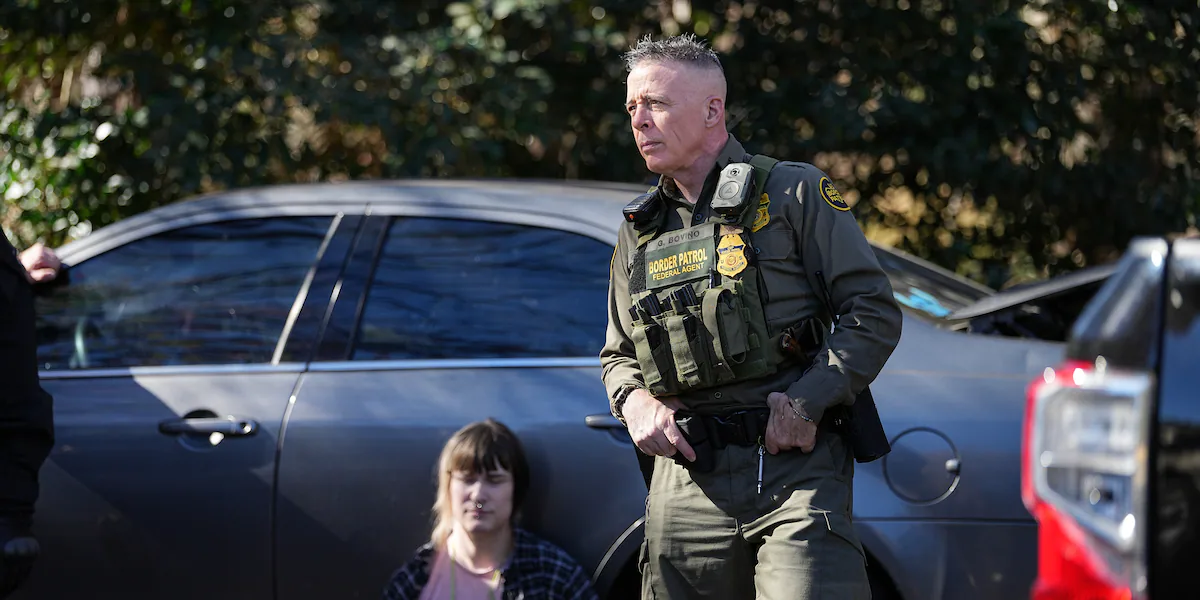
Border Patrol Commander Gregory Bovino ran the Charlotte operation, as he had run earlier sweeps in Los Angeles and Chicago. A federal judge in Chicago, Sara Ellis, found that Bovino lied about being hit by a rock before his agents fired tear gas at a crowd.
Litigation from Chicago shadowed the Charlotte sweep but didn't govern it. On Nov. 6, Judge Ellis restricted agents' use of tear gas and other riot-control weapons against protesters in the Chicago region. The 7th Circuit Court of Appeals stayed that order on Nov. 19, calling it too prescriptive. No comparable court order limited agents in Charlotte.
Charlotte isn't a sanctuary city. DHS justified the sweep by saying immigrants had flocked to North Carolina because sanctuary politicians would protect them, and that the county failed to honor nearly 1,400 ICE detainers. Charlotte instead holds a Certified Welcoming designation for immigrant inclusion, its police department doesn't enforce federal civil immigration law, and about one in six residents is foreign-born.
Charlotte Mayor Vi Lyles called the deployment an intrusion and said she was relieved when agents appeared to leave on Nov. 20. DHS spokeswoman Tricia McLaughlin answered within hours: "Wrong. Operation Charlotte's Web isn't ending anytime soon." ICE, she said, would keep working the county.
Gov. Josh Stein, a Democrat, said the operation was stoking fear instead of making Charlotte safer, describing masked agents in unmarked cars who he said targeted people by skin color. Bovino blamed Stein for the backlash, posting "Governor Stein, you caused this."
From Charlotte the campaign rolled toward New Orleans. Internal plans first called the Louisiana operation Swamp Sweep before DHS branded it Operation Catahoula Crunch, launched Dec. 3 with about 250 agents and a target of 5,000 arrests across southeast Louisiana and into Mississippi.
Louisiana's politics cut the other way. Republican Gov. Jeff Landry welcomed the operation, posting "We Welcome the Swamp Sweep in Louisiana," while New Orleans Mayor-elect Helena Moreno rejected a National Guard deployment and warned of rights violations.
Border Patrol's core job is the border, where apprehensions hit a 55-year low in fiscal 2025 at about 237,500. The low numbers freed agents for interior work.
Federal law lets them operate far inland. Under 8 U.S.C. 1357, immigration officers can question people and make warrantless arrests within 100 miles of any external boundary, a zone covering about two-thirds of the U.S. population. Charlotte sits within 100 miles of the Atlantic coast.
Related Topics
3
Border Patrol arrests 250+ in Charlotte as Operation Charlotte's Web draws protests
Border Patrol arrests hundreds despite local police refusing to assist with civil immigration warrants
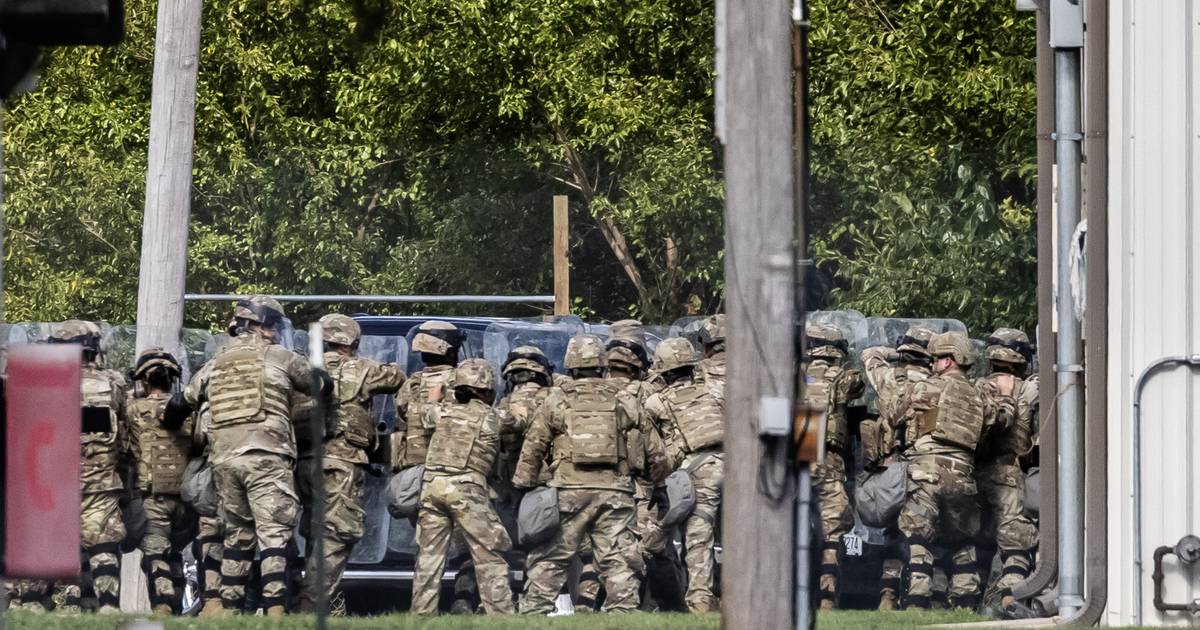
Border Patrol launches "Charlotte's Web" raids as 400 National Guard troops leave Chicago and Portland
Border Patrol launches raids in Charlotte as National Guard withdraws from Chicago and Portland deployments
ICE arrests 250 people in Charlotte operation targeting upscale neighborhoods and country clubs
Internal documents show only one-third of more than 425 arrestees had criminal records beyond immigration violations
27 questions
Start the review