ICE arrests 250 people in Charlotte operation targeting upscale neighborhoods and country clubs
Internal documents show only one-third of more than 425 arrestees had criminal records beyond immigration violations
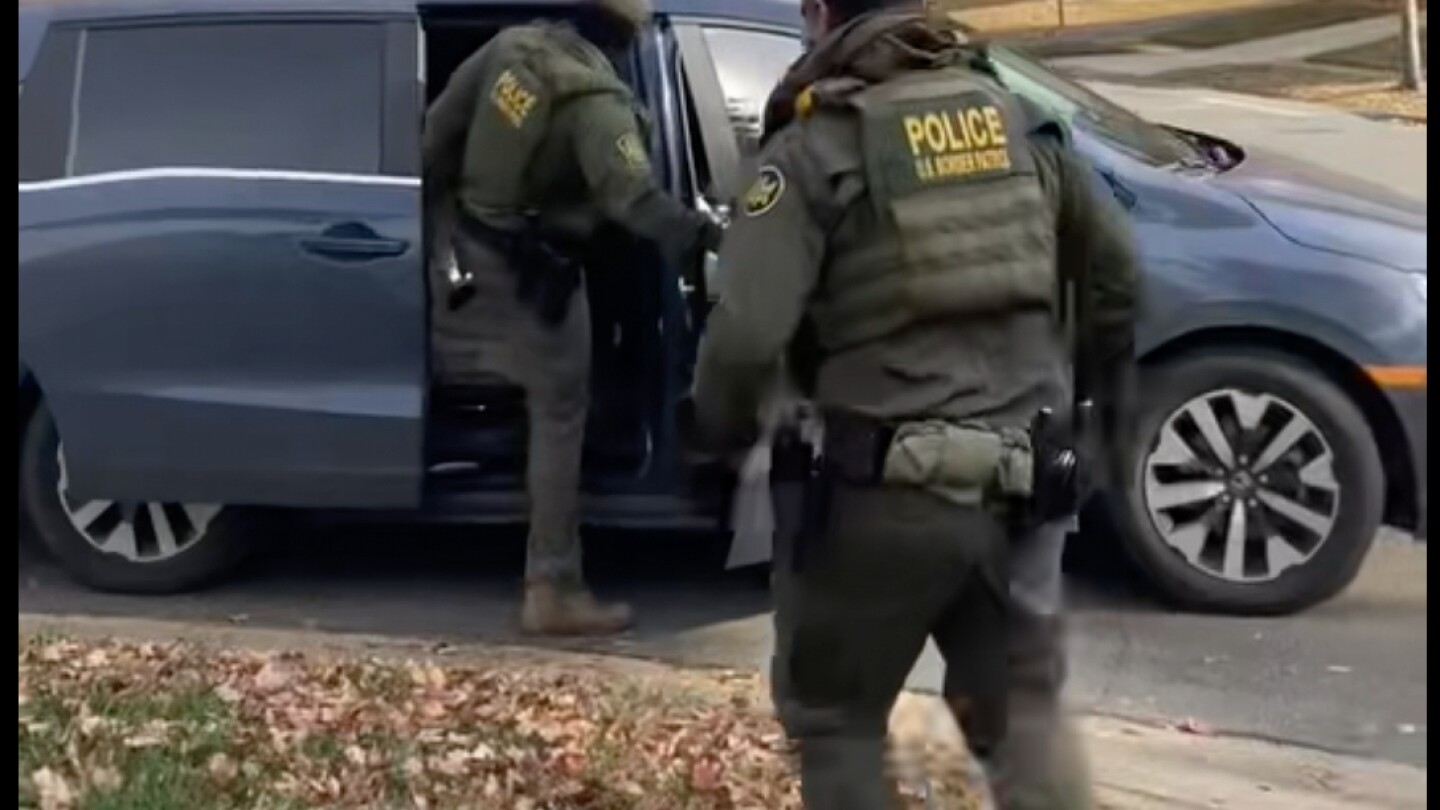
Border Patrol arrested 250+ people across Charlotte starting Nov 15, 2025, in 'Operation Charlotte's Web'—a high-visibility crackdown Trump's DHS framed as targeting 'criminal illegal aliens.' Commander Greg Bovino, who ran similar Chicago raids netting 3,200 arrests, led agents in caravans through neighborhoods, churches, and shopping centers. DHS press releases showcased arrestees with DUI convictions, gang ties, and assault records to justify the operation.
White House Border Czar
He directs aggressive ICE raids at agricultural worksites creating labor shortages, with enforcement policies that deter both unauthorized and legally authorized workers from farm jobs. His actions directly caused food shortage risks that the Labor Department warned about. He co-architected Trump's family separation policy during his first stint as acting ICE director (2017-2018) and received Obama's Presidential Rank Award for record deportations. He has 30 years of immigration enforcement experience and operates as Border Czar overseeing nationwide enforcement operations including Operation Charlotte's Web.

CBP Commander-at-Large
He led Operation Charlotte's Web with 250+ arrests, posting arrestee photos on X and promising to 'hit Charlotte like a storm' with caravans of agents in paramilitary uniforms. He has served as a Border Patrol agent since 1996 with Western NC roots and previously led Chicago's 'Midway Blitz' netting 3,200 arrests before federal judges issued civil rights injunctions against his tactics. His Charlotte operation targeted upscale neighborhoods and country clubs, expanding enforcement beyond traditional worksite raids. He publicized the operation on social media before and during enforcement actions.
Mecklenburg County Sheriff
He refused voluntary ICE cooperation but complied with HB 318's legal mandate to notify ICE within 2 hours and hold detainees 48 hours for pickup. He publicly criticized the operation as fear-mongering and has maintained his position against voluntary cooperation since his 2018 election on a platform of ending 287(g) ICE cooperation. He is a former homicide detective turned TV personality known for vocal criticism of Trump immigration policies. His office now serves as a mandatory ICE notification and detention point under state law despite his opposition.
U.S. Senator (R-NC)
He demanded DHS provide full detainee lists, detention durations, and restitution after constituents reported agents entering businesses without warrants. DHS ignored his requests despite his position as a Republican senator representing North Carolina since 2015. He is generally supportive of immigration enforcement but became concerned after constituent complaints about warrant violations and business disruptions. His public demands for accountability demonstrate growing Republican unease with Operation Charlotte's Web tactics.
Governor of North Carolina (D)
He vetoed HB 318 as an unconstitutional violation of due process, but the legislature overrode his veto Oct. 1, 2025. He called the Charlotte operation 'not about public safety' but inducing 'widespread fear' among immigrant communities. He served as attorney general before his 2024 election as governor and is known for defending immigration rights and challenging Trump policies in court. His veto was the first major confrontation between the new Democratic governor and the Republican legislature on immigration enforcement.
Essential concepts and terms to understand this topic
The fundamental constitutional requirement that government follow fair procedures and apply laws reasonably to protect life, liberty, and property.
Government actions to enforce immigration laws, including deportation, detention, border enforcement, and workplace raids.
Rights protecting citizens from discrimination and ensuring equal treatment.
False
DHS targeted only violent criminals and gang members in Charlotte arrests
DHS press releases showcased arrestees with violent criminal records—one with DUI convictions, others with gang ties—claiming the operation targeted 'the worst of the worst criminal illegal aliens.'[1][2] But CBS News obtained internal CBP documents showing only one-third of the 250+ arrestees were classified as criminals.[3] Immigration lawyers told the News & Observer that most detainees had no criminal history beyond immigration violations, with many living in Charlotte for decades without arrests.[4] DHS refused to release names or criminal records for the majority of arrestees, preventing independent verification.[4] The agency's public messaging highlighted the most serious cases to justify the operation while concealing that two-thirds lacked criminal records.
Sources
False
Border Patrol used standard enforcement procedures in Charlotte
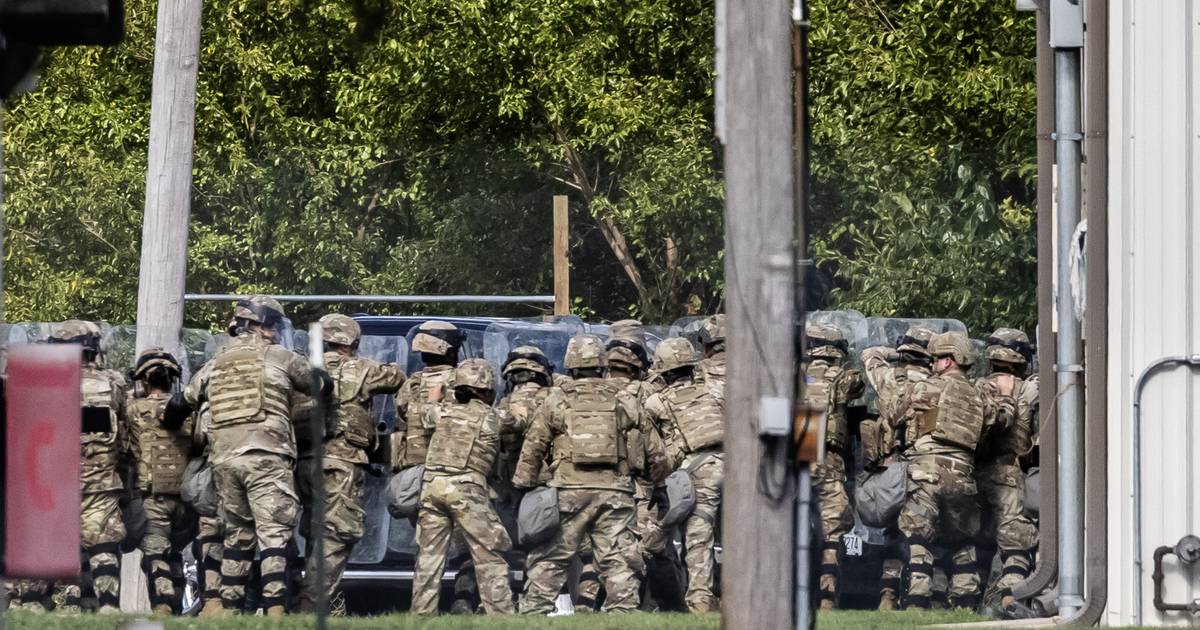
Typical ICE enforcement involves targeted arrests of specific individuals at homes or workplaces using arrest warrants.[1] Operation Charlotte's Web deployed caravans of Border Patrol agents in paramilitary uniforms circling immigrant neighborhoods, shopping centers, and churches—creating high-visibility presence designed to intimidate.[2][3] Commander Bovino posted social media updates with arrestee photos, mirroring Chicago tactics that drew a federal civil rights injunction.[4] Charlotte schools reported 'tens of thousands' of absences as families feared deportation; businesses shuttered.[5] Agents smashed a U.S. citizen's truck window on camera, then released him after verifying his REAL ID.[2] Immigration lawyers told reporters the operation's scale, visibility, and geographic scope (expanding into upscale neighborhoods and country clubs, not just workplaces) represented a deliberate show of force unprecedented in Charlotte's immigration enforcement history.[3]
Sources
False
Charlotte was randomly selected for immigration enforcement
DHS strategically selected Charlotte as a Democratic-led city in the swing state that voted for Trump in 2024, making it a political target for enforcement visibility.[1][2] North Carolina passed HB 318 in Oct 2025—overriding the Democratic governor's veto—forcing sheriffs to cooperate with ICE, giving federal agents legal leverage over local resistance.[3] Charlotte has the second-largest banking industry after New York, creating construction booms that attracted undocumented workers over three decades, building a substantial immigrant population.[4] Commander Bovino led similar Chicago operations (3,200 arrests) before redeploying to Charlotte, showing DHS selected cities with both large immigrant populations and political symbolism.[5] Trump administration officials told reporters the operation sent a message to 'sanctuary cities' that federal enforcement will proceed regardless of local cooperation.[1] The selection combined political messaging, legal advantage from HB 318, and Charlotte's demographics.
Sources
Misleading
Sheriff McFadden voluntarily refused ICE cooperation
McFadden ended Mecklenburg County's voluntary 287(g) ICE cooperation program in 2019, earning him national attention as an anti-ICE sheriff.[1] He campaigned on limiting jail cooperation with immigration authorities and became a vocal critic of Trump's immigration policies.[2] However, North Carolina's HB 318—passed Oct 1, 2025, overriding Gov Stein's veto—legally mandates sheriffs notify ICE within 2 hours of releasing detainees charged with felonies or certain misdemeanors, then hold them up to 48 additional hours for ICE pickup.[3][4] McFadden publicly opposed the law as unconstitutional but complied under legal mandate during the Charlotte operation.[1] His 'refusal' applied only to voluntary cooperation beyond statutory requirements, not to legally mandated tasks. The law stripped sheriffs of discretion to avoid ICE cooperation.
Sources
Misleading
Tom Homan created the Charlotte enforcement model in 2025
Trump appointed Homan as White House 'border czar' on Jan 20, 2025, giving him authority over all immigration enforcement operations.[1][2] Homan designed the Charlotte strategy as a template for crackdowns in 'sanctuary cities' that refuse ICE cooperation, telling Fox News agents would 'hit Charlotte like a storm' with overwhelming force.[3] However, Homan pioneered aggressive interior enforcement tactics during Trump's first term as acting ICE director (2017-2018), where he co-architected the 'zero tolerance' family separation policy that separated thousands of migrant children from parents without reunification plans.[2][4] Obama gave Homan a Presidential Rank Award in 2015 for overseeing record deportation numbers as ICE's deportation branch chief.[2] Homan's Charlotte model builds on enforcement strategies he developed across both administrations, not tactics invented in 2025. His career spans 30+ years in immigration enforcement, making him the chief architect of modern aggressive interior enforcement.
Sources
Verify DHS criminal record claims
accountability
Only one-third of Charlotte arrestees had criminal records beyond immigration violations, contradicting DHS 'worst of the worst' messaging. Demand agencies release full arrest data including criminal histories, detention durations, and deportation outcomes to verify public safety claims.
Track state laws forcing ICE cooperation
policy
North Carolina's HB 318 stripped sheriffs of discretion to limit ICE cooperation, overriding local sanctuary policies. Monitor similar state-level mandates that force local law enforcement to become federal immigration agents regardless of community impact.
Document enforcement transparency gaps
transparency
DHS refused to release detainee names or criminal records for most Charlotte arrestees, preventing verification of targeting claims. Track federal agencies that conduct large-scale enforcement without public accountability or oversight mechanisms.
Monitor political targeting of enforcement
accountability
Charlotte was selected as a Democratic-led city in a swing state that voted for Trump, combining political messaging with immigration enforcement. Watch for patterns showing enforcement concentrated in politically symbolic locations rather than cities with highest immigration violations.