Casey Means faces Senate grilling on vaccines, conflicts, and qualifications
Unlicensed Stanford MD dodges flu vaccine question while seeking the nation''s top doctor job
Photo: Reuters / Reuters
Dr. Casey Means testified before the Senate Health, Education, Labor, and Pensions Committee on Feb. 25, 2026, seeking nomination as the 22nd Surgeon General of the United States. She's 38 years old, holds a Stanford medical degree, and co-founded a metabolic health company called Levels.
Means doesn't hold an active medical license. She dropped out of her surgical residency at Oregon Health and Science University before completing the program — her Oregon license is currently inactive. She told the committee she has no plans to reactivate it and acknowledged she can't write a prescription.
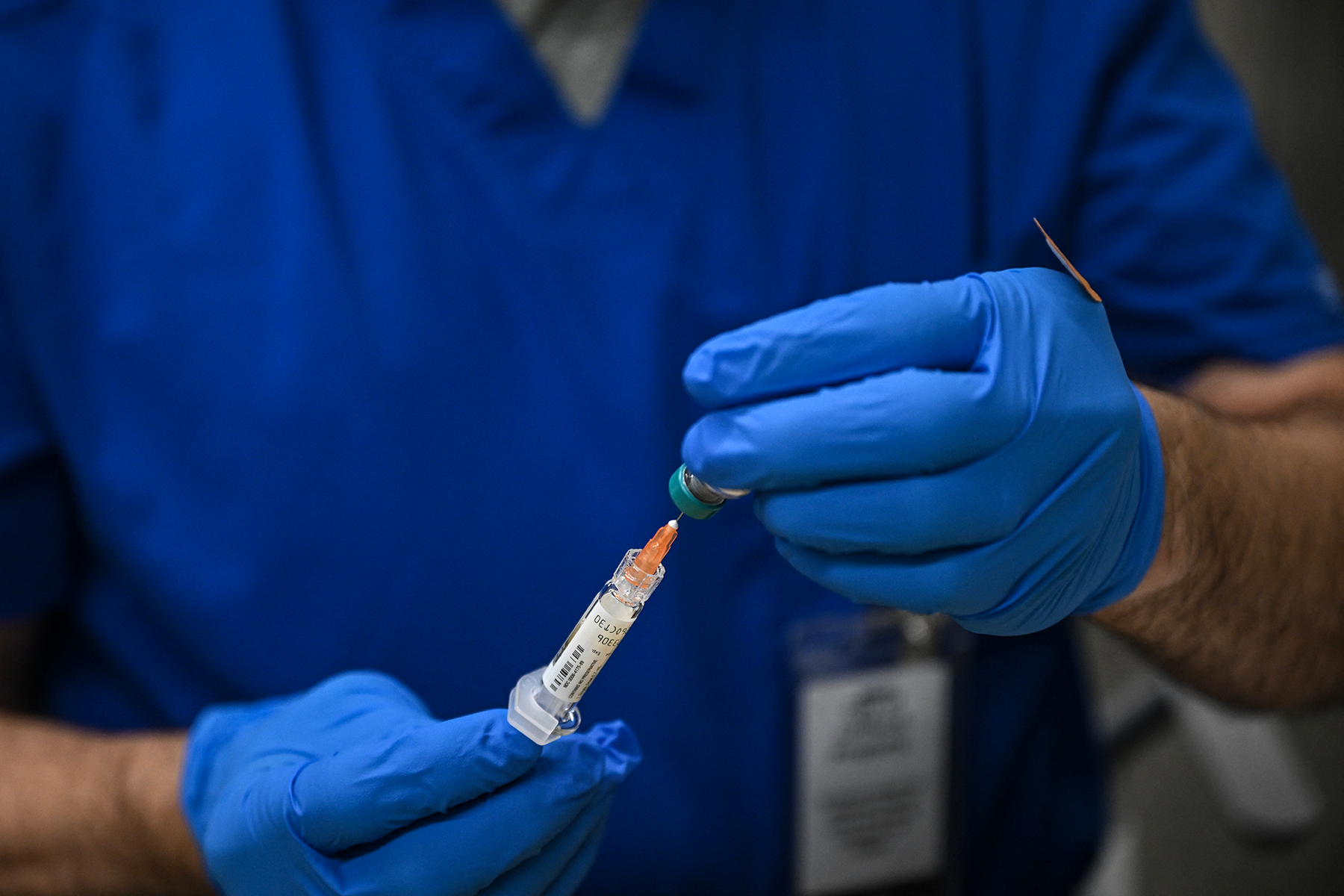
Sen. Tim Kaine, D-Va., asked Means directly whether the flu vaccine prevents serious disease and hospitalization in children. She declined to say yes. Instead she said she supports the CDC's guidance and that the vaccine reduces hospitalization risk "at the population level" — a qualified answer Kaine pressed her on repeatedly without getting a straight endorsement.
HELP Committee Chair Sen. Bill Cassidy, a physician, told Means that two children died of measles in the prior year and pressed her on the MMR vaccine. After three rounds of questioning she said she was "absolutely supportive of the measles vaccine." Her hesitation alarmed public health advocates who expect the Surgeon General to endorse vaccines backed by decades of evidence without qualification.
Means co-founded Levels, a company selling continuous glucose monitors and metabolic supplements. A watchdog group alleged she promoted prenatal vitamins on her platform without disclosing a financial relationship with the manufacturer — a potential FTC disclosure violation. Senators on both sides of the aisle raised the conflicts at the hearing.
Sen. Patty Murray pressed Means on birth control and reproductive health, asking whether she'd use the Surgeon General platform to discourage contraception. Means declined to answer directly.
The Surgeon General leads the U.S. Public Health Service Commissioned Corps, a 1,100-person uniformed service, and serves as "America's Doctor" — the nation's chief public health communicator. The office has no regulatory power. Its authority is communicative: shaping public health norms through reports, advisories, and the bully pulpit.
Past Surgeon Generals produced landmark reports on tobacco (1964), secondhand smoke (1986), and childhood obesity (2001) that shaped federal policy for generations. The 21 confirmed Surgeon Generals since 1871 have all held active clinical credentials. A license lapse doesn't legally bar nomination, but it became a central qualification argument for Democratic senators opposing Means.
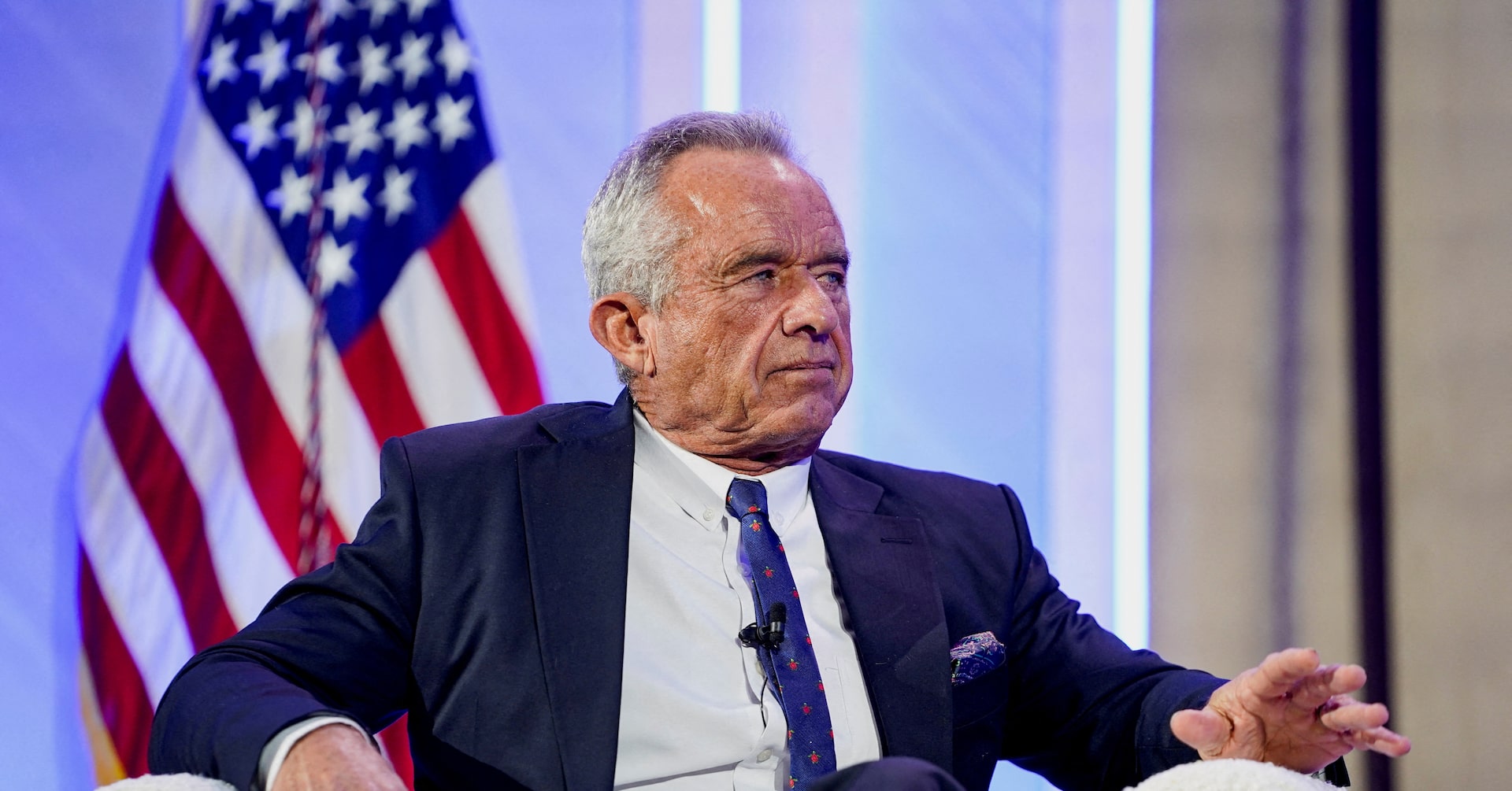
Means's nomination directly aligns with Health Secretary Robert F. Kennedy Jr.'s Make America Healthy Again agenda, which focuses on chronic disease, ultra-processed foods, and environmental toxins rather than traditional vaccine-centered public health priorities. Her brother Calley Means worked as a Kennedy adviser. No committee vote was scheduled following the hearing, and her nomination remained stalled a month after senators from both parties grilled her.