Public Policy · Government·February 27, 2026
White House sends DHS shutdown counteroffer. Democrats say they're reviewing it
Partial shutdown of DHS has lasted over three weeks with ICE reforms at the center

"On Feb. 27, 2026, the White House sent congressional Democrats its latest counteroffer to resolve the partial Department of Homeland Security shutdown. Senate Minority Leader Chuck Schumer (D-NY) and House Minority Leader Hakeem Jeffries (D-NY) said in a joint statement they had received it and were reviewing it closely."
"Democrats' joint statement said they remained 'committed to keep fighting for real reforms to rein in ICE and stop the violence,' signaling that the counteroffer had not yet met their conditions. The shutdown standoff had lasted more than three weeks by the time of the Feb. 27 offer."
"The partial DHS shutdown began in early February 2026 after Senate Democrats blocked a continuing resolution over their demands for ICE accountability measures. Democrats pointed to a pattern of incidents — including two U.S. citizen deaths in Minneapolis, vehicle crashes injuring bystanders, and reported warrantless detentions — as justification for demanding oversight mechanisms before approving DHS funding."
"Core ICE enforcement operations have continued throughout the shutdown because they draw from separately appropriated funds and fee-based accounts. The shutdown has primarily affected other DHS components including TSA administrative functions, FEMA preparedness programs, and USCIS processing for non-fee-funded applications."
"Republicans have accused Democrats of holding national security funding hostage to protect undocumented immigrants. Senate Majority Leader John Thune (R-SD) called the blockade 'an unprecedented use of the minority to shield lawbreakers from consequences.' The White House had previously sent at least one counteroffer before the Feb. 27 proposal."
"The DHS shutdown is the second major government funding crisis of the fiscal year. FY 2026 began with a full government shutdown from Oct. 1 through Nov. 12, 2025 — the longest in modern history. A partial CR ending that shutdown funded DHS through January 30, when negotiations broke down again over the ICE question."
"Democrats' demands have centered on requiring judicial warrants for ICE arrests in certain locations, establishing an independent inspector general review of ICE use-of-force incidents, and restoring due process protections for asylum seekers. Republicans have rejected all three, calling them efforts to obstruct immigration enforcement."
"The shutdown has created real-world consequences for tens of thousands of federal workers. DHS employs about 260,000 people; those whose positions rely on affected appropriations have been furloughed or working without pay during the standoff."
Related Topics
6
Congress faces Jan. 30 shutdown deadline for 6 remaining spending bills
Six agencies face shutdown risk as Democrats block DHS funding

Senate blocks DHS funding for fourth time as shutdown enters week 5
TSA lines hit 4 hours as Senate deadlock over ICE killings enters fifth week
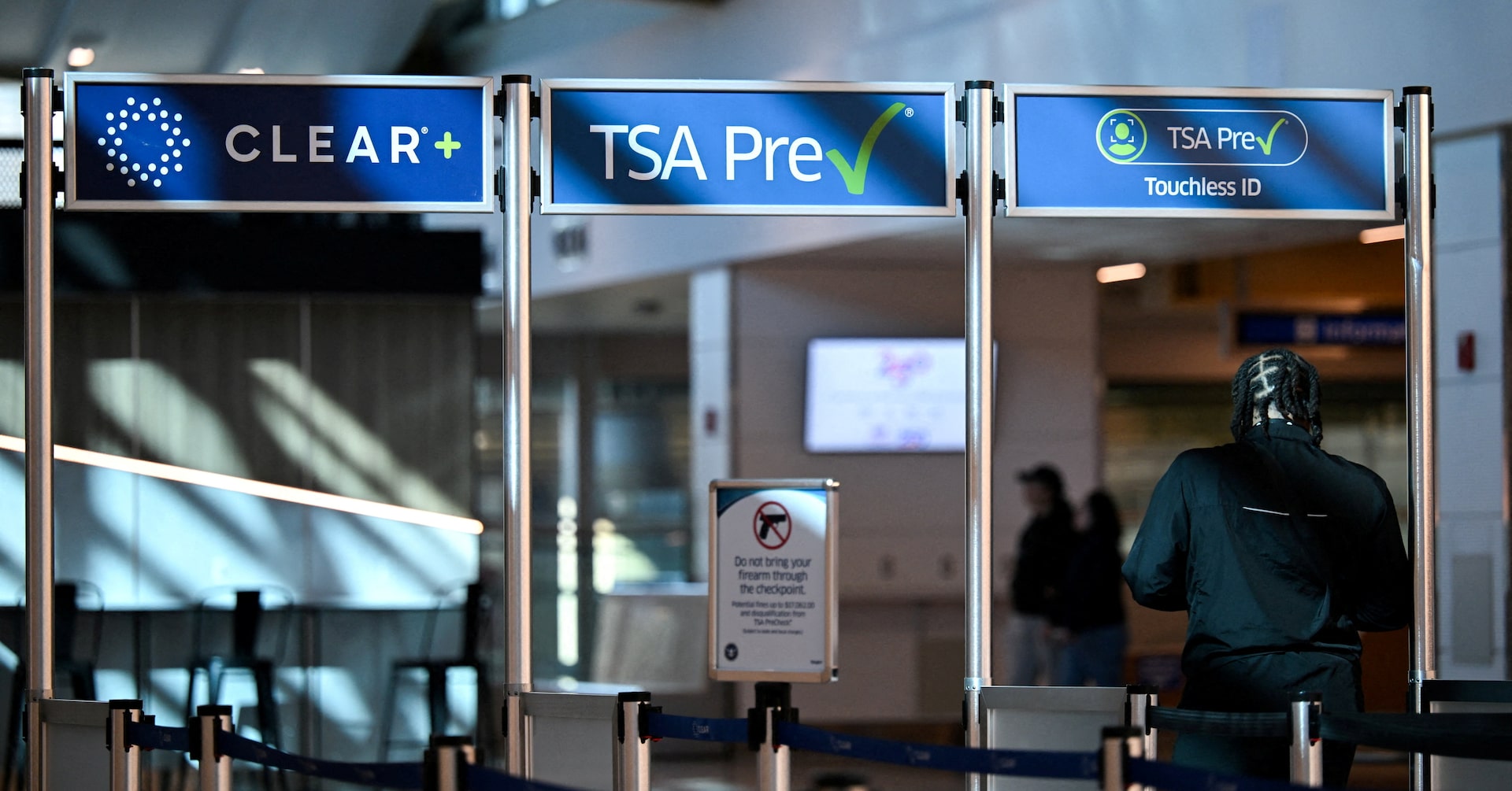
DHS suspends Global Entry, threatens TSA PreCheck on shutdown Day 8
61,000 unpaid TSA workers face first missed paychecks March 3

DHS requires 7-day notice for congressional ICE visits
Trump administration blocks oversight after ICE shooting of Renee Good

The January 2026 partial shutdown hit DHS and 45% of federal workers
More than 500,000 federal workers reported without pay, triggered by a standoff over immigration enforcement funding
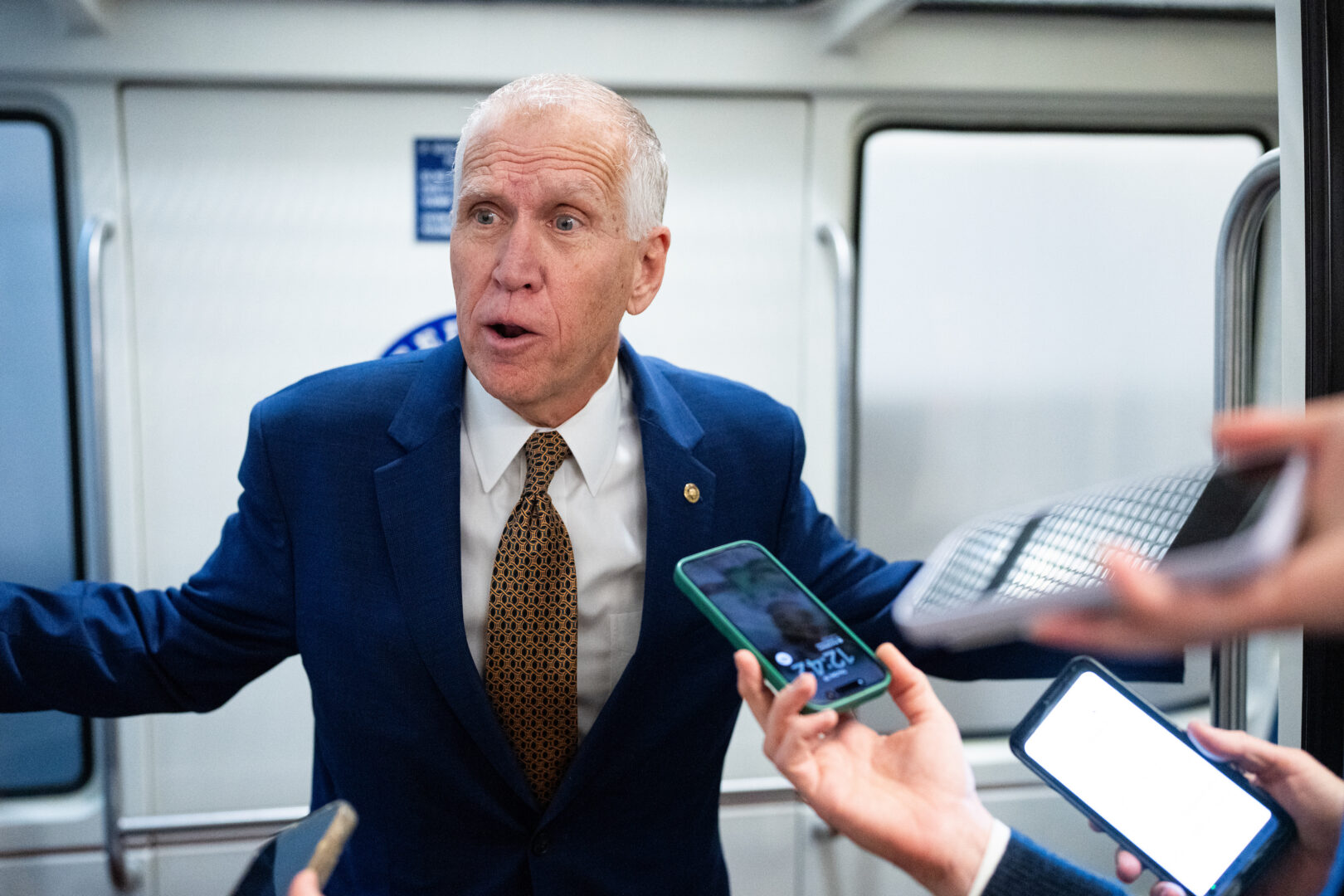
Tillis vows to block Senate nominees until Noem answers for 10 DHS inspector general violations
A Republican senator weaponizes the confirmation process against his own party's cabinet secretary
25 questions
Start the review