Infrastructure · Public Policy · Government·February 20, 2026
FAA faces budget fight as air traffic controllers remain 3,500 short
DOGE cuts and a record government shutdown accelerated a decades-long staffing crisis

The FAA is roughly 3,500 air traffic controllers short of its staffing target of 14,633 certified professional controllers as of early 2026 — a shortfall of about 25%. Only 23 of the nation's 289 air traffic control terminal facilities are fully staffed. The remaining 266 facilities are operating below safe staffing standards, which forces controllers to work mandatory overtime and reduces their ability to safely handle peak traffic loads.
The current shortage has roots going back more than 40 years
In August 1981, President Reagan fired 11,345 members of the Professional Air Traffic Controllers Organization (PATCO) after they went on strike for better pay and shorter hours
Replacing that experienced workforce took more than a decade The Reagan firing also had a chilling effect on federal union organizing and accelerated the broader decline of American labor unions.
Modern contributing factors include the 2013 sequestration budget cuts, which slashed FAA hiring budgets and slowed controller training; the 2018-2019 government shutdown, which caused hundreds of experienced controllers to retire rather than work without pay; the COVID-19 pandemic, which disrupted training pipelines and caused early retirements; and early 2025 DOGE layoffs that cut about 400 FAA staff — including maintenance technicians and safety specialists — though DOT said no certified controllers were among those fired.
A record-breaking government shutdown in late 2025 sharply accelerated retirements
Under normal circumstances, about 4 controllers retire per day
During the shutdown, 15-20 controllers per day were retiring — nearly five times the usual rate The FAA responded by reducing flights 10% at 40 high-traffic airports, affecting millions of travelers Even after the shutdown ended, the FAA held flight reductions at 6% at busy markets because understaffing persisted.
Training a new air traffic controller takes years, not months
After passing initial screenings, new hires attend the FAA Academy in Oklahoma City for approximately 16 weeks
They then go to their assigned facility for 2-3 additional years of on-the-job training before receiving full Certified Professional Controller status This long pipeline means the FAA can't quickly fix a shortage — even aggressive hiring today won't produce fully certified controllers until 2028 or later.
Elon Musk's DOGE team reportedly tried to fire air traffic controllers directly in early 2025, which would have created an immediate safety crisis. Transportation Secretary Sean Duffy intervened to prevent controller layoffs, and DOT stated publicly that no certified controllers were fired. However, the loss of support staff — mechanics, safety assistants, aeronautical information specialists — still reduced the overall capacity of the air traffic control system.
Congress is weighing a $12.5 billion investment through 2029 to modernize air traffic control technology and increase controller hiring
The House Transportation and Infrastructure Committee approved this figure as part of a budget reconciliation package
The FAA is also offering financial incentives: $5,000 bonuses for academy graduates and $10,000 for those assigned to hard-to-staff facilities These bonuses are meant to attract trainees to understaffed locations that controllers with seniority typically avoid.
Fiscal year 2026 spending bills propose a $1.58 billion FAA operating budget with funding for 2,500 new controller hires — a significant hiring push. However, GOP legislators also noted the spending deal 'codified DOGE recommendations' to cut transportation agency bureaucracy by 29%. This combination — more controllers but fewer support staff — illustrates the tension between safety needs and spending-cut ideology driving the current budget fight.
Related Topics
3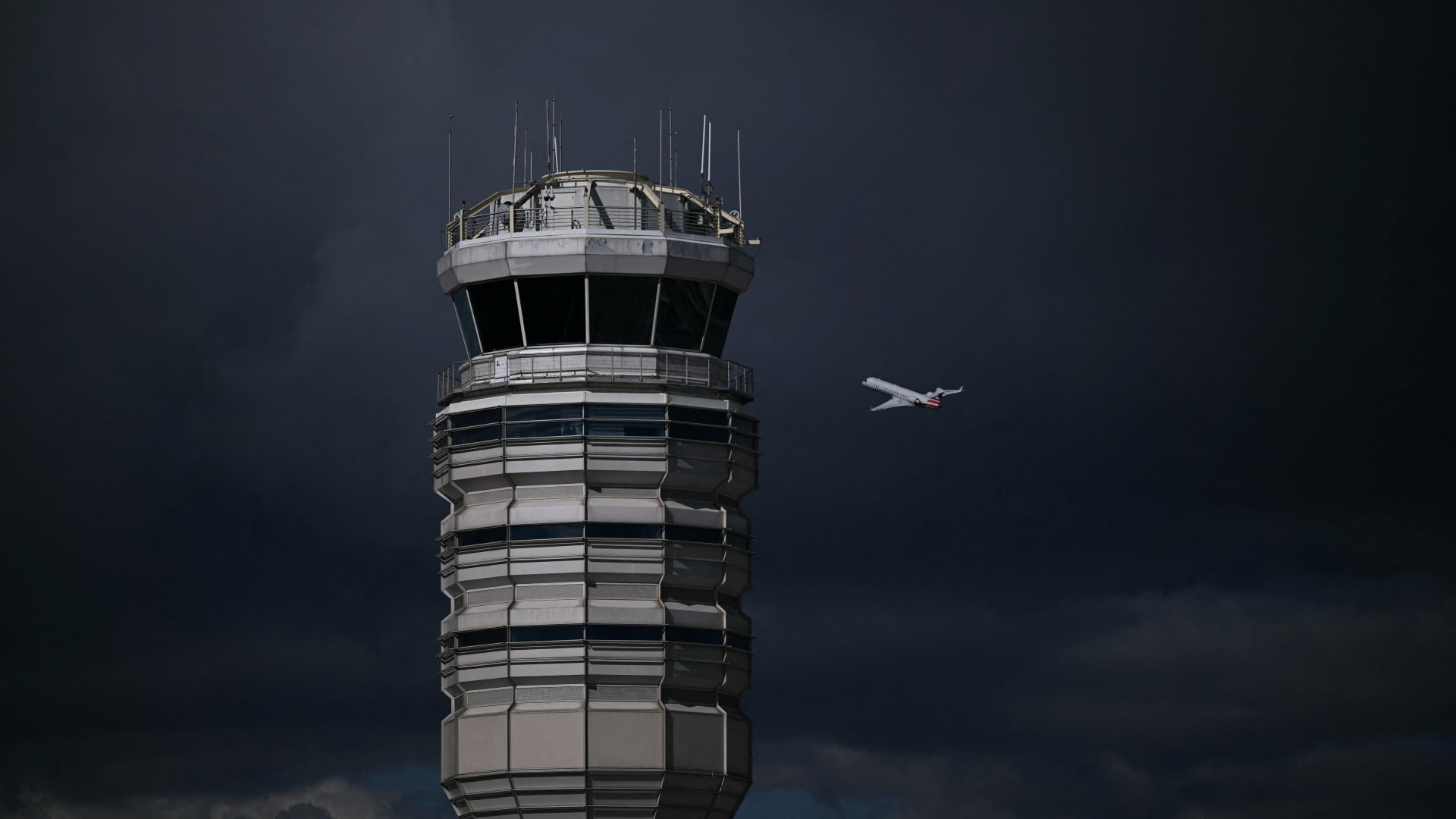
13,294 controllers work unpaid as sick calls spike and Congress blocks funding
Unpaid controllers face 53% delays as travel industry loses $1B weekly
FAA lifts flight restrictions after 43-day shutdown caused thousands of cancellations
FAA lifts restrictions after unpaid controllers forced thousands of cancellations, but flight chaos continues
Air travel disruptions persist after shutdown as FAA orders continued 6% flight cancellations
Flight chaos continues even after shutdown ends as controllers recover from unpaid work
23 questions
Start the review