Public Health · Judicial Review · Civil Rights · Justice·May 13, 2026
Federal judge quashes DOJ subpoena for transgender youth medical records
Trump-appointed judge blocks DOJ demand for children's transgender medical records

U.S. District Judge Mary S. McElroy on May 13, 2026, quashed a DOJ subpoena demanding five years of transgender youth medical records from Rhode Island Hospital, calling it a "drastic overreach" of federal investigative authority. The DOJ had demanded names, parents' names, diagnoses, and Social Security numbers of every minor patient treated for gender dysphoria since 2020. McElroy found the DOJ misled U.S. District Judge 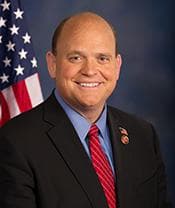 Reed O'Connor in the Northern District of Texas when it sought enforcement of the subpoena on April 30. McElroy's ruling makes Rhode Island the eighth federal court to block these subpoenas, which AG
  Pam Bondi sent to more than 20 hospitals and clinics in July 2025. The DOJ appealed to the First Circuit the next morning. The ruling lands as the DOJ escalated its campaign by issuing criminal grand jury subpoenas to NYU Langone, moving beyond the civil subpoenas that courts have repeatedly rejected.
Key facts
U.S. District Judge Mary S. McElroy quashed the DOJ's 📖administrative subpoena on May 13, 2026, blocking the federal government from obtaining five years of transgender youth medical records from Rhode Island Hospital. The found the subpoena constituted a "drastic overreach" of federal investigative authority and was issued "for an improper purpose in bad faith."
McElroy is a  Trump appointee, first nominated in April 2018 and in September 2019. Her decision to rule against the administration that appointed her reinforced the bipartisan judicial opposition to the subpoena campaign.
The DOJ subpoena, issued in July 2025, demanded Rhode Island Hospital hand over the birth dates, Social Security numbers, addresses, diagnoses, clinical assessments, and parent or guardian information for every minor patient who received gender-affirming care since 2020. It also demanded all documents detailing in minor patients, patient intake forms, and guardian authorization records.
The scope went far beyond any targeted fraud investigation. McElroy wrote that the administration "has publicly characterized gender-affirming care for minors as abuse, directed the DOJ to bring its practice to an end, and celebrated when hospitals curtailed such programs."
AG Pam Bondi announced the subpoena campaign on July 9, 2025, sending to hospitals and clinics nationwide. Targets included Children's Hospital of Philadelphia, Boston Children's Hospital, UPMC Children's Hospital, and the University of Michigan Health system. Bondi framed the campaign as investigating "healthcare fraud, false statements, and more."
The DOJ's stated legal theory centered on the Federal Food, Drug, and Cosmetic Act, alleging providers prescribed puberty blockers "off-label" for gender dysphoria. McElroy rejected this rationale, noting the medications have been to treat precocious puberty, rare cancers, and gender dysphoria.
McElroy found the DOJ misled Judge Reed O'Connor when seeking enforcement. On April 30, 2026, the DOJ filed a petition in the Northern District of Texas to enforce the subpoena, claiming Rhode Island Hospital hadn't communicated with the DOJ since February. O'Connor , ordering the hospital to produce all records within 14 days.
But McElroy's investigation found the hospital and DOJ had actually exchanged emails just two days before the filing. She wrote that the DOJ "has misrepresented and withheld information" from both her court and the Texas court, and had been "proven unworthy" of the court's trust.
The case created an unusual "transdistrict" conflict. The DOJ filed for enforcement in Texas rather than Rhode Island, a move McElroy and legal scholars characterized as 📖forum shopping. The DOJ chose O'Connor's court in the Northern District of Texas despite the subpoena targeting a Rhode Island hospital. O'Connor's court has to federal health policies.
McElroy responded by not just quashing the subpoena but also enjoining the DOJ from "seeking or receiving any documents pursuant to the subpoena," directly countering O'Connor's enforcement order. Both rulings now face simultaneous appeals in the Fifth and First Circuits.
McElroy's ruling made Rhode Island the eighth federal court to quash or limit these subpoenas. Courts in Massachusetts, Colorado, Washington state, and Pennsylvania had previously blocked similar demands. A federal judge in Massachusetts called the investigations "motivated only by bad faith." A Colorado judge blocked a subpoena to protect patient medical records from
Despite losing in eight courts, the DOJ hasn't abandoned the strategy. It appealed McElroy's ruling to the on May 14, 2026, the morning after the ruling.
The ACLU of Rhode Island and the Lawyers' Committee for Rhode Island filed the emergency motion to quash on behalf of Rhode Island Child Advocate Katelyn Medeiros. The argued the subpoena demanded "extraordinarily broad" pediatric records, including information on children in state child welfare custody.
Cooperating attorneys Kevin Love Hubbard, Miriam Weizenbaum, Amy Romero, and ACLU attorney Lynette Labinger represented the Child Advocate's office. Brown University Health, the hospital system formerly known as Lifespan, operates Rhode Island Hospital and is the state's largest healthcare provider.
The subpoena campaign produced a measurable 📖chilling effect on transgender healthcare. Multiple major hospital systems stopped providing gender-affirming care to minors after receiving subpoenas, including Cleveland Clinic, Kaiser Permanente, Mount Sinai, and . Michigan issued a statement in August 2025 saying that "given escalating external threats and risks, we will no longer provide gender affirming hormonal therapies and puberty blocker medications for minors."
NYU Langone also shut down its trans youth health program. McElroy noted this pattern in her ruling, writing that the administration "celebrated when hospitals curtailed such programs as a result of this subpoena campaign."
The DOJ escalated its approach even as courts rejected the civil subpoenas. On May 7, 2026, NYU Langone received a from the U.S. Attorney's Office in the Northern District of Texas, demanding records on minors who received gender-affirming care between 2020 and 2026. Criminal subpoenas carry the threat of arrest and prosecution for providers.
The shift from civil to criminal subpoenas occurred after the DOJ lost in eight courts on the civil track. The move to a grand jury process makes legal challenges harder because grand jury proceedings are secret and courts grant prosecutors wider latitude. NYU Langone posted a to affected patients under a New York state shield law.
Related
Categories that may be relevant to you
5 topics available

May 23, 2026
DOJ scrubs hundreds of Jan. 6 prosecution records from website
May 22, 2026
Gabbard resigns as director of national intelligence
🔍
May 22, 2026
FTC fines Cox Media Group $930K for fake AI listening ad service
May 22, 2026
Colorado closes legal gap for defendants found unfit to stand trial
🏫
May 22, 2026
Tennessee governor signs Memphis schools state takeover into law
View All Government Topics
769 topics
25 questions
Start the review